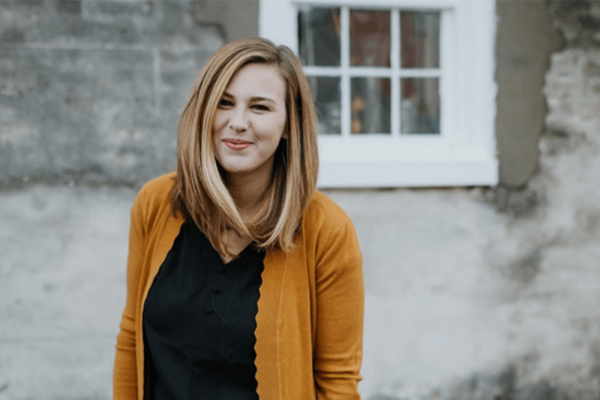
Her thoughts on guns didn’t immediately change; slowly — as the PTSD and long-term effects of her injuries continued — Schumann began to question the narratives around guns she had grown up with her entire life. Now she’s asking others to join her in questioning the stories we’ve been told about gun violence in the United States.
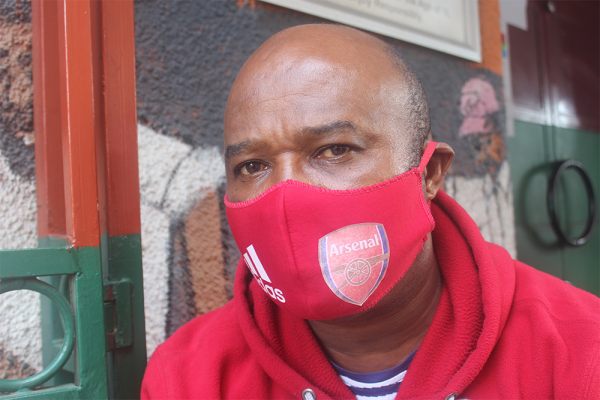
Azubuike Muodum, a Nigerian migrant living in Johannesburg, South Africa has not had his worst COVID-19 fears realized.
“When the [pandemic] started, I thought it was a disease that is going to kill everyone, more like an end-time plague,” Muodum told Sojourners in May.
Still, the last two years have had challenges. Muodum runs a small-scale restaurant in the central business district of Johannesburg, South Africa; he says the pandemic and subsequent lockdown created a “huge burden” for him and his restaurant. While countries like the United States begin returning to post-pandemic life, Muodum and others who emigrated to South Africa are facing the challenges of a still-spreading COVID-19.
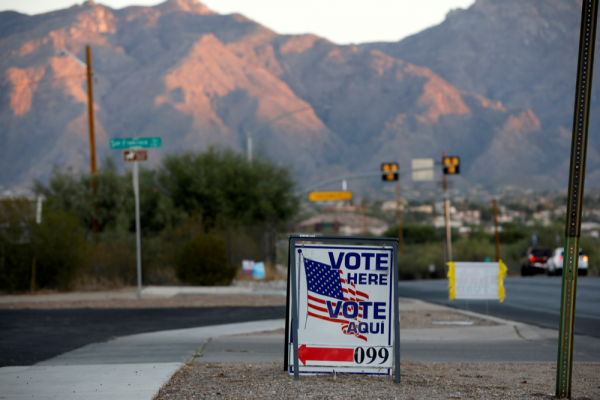
As many people in the United States prepared for the holiday weekend, the Supreme Court’s conservative 6-3 majority upheld two laws that restrict voting in Arizona. The first law the court upheld disenfranchises voters if they cast a ballot in the wrong precinct, invalidating not just their votes for local races, but also their entire ballot, including votes cast in U.S. presidential elections or Senate races, even though all eligible voters in Arizona can vote in those races regardless of the district where they live. The other law prohibits most people from delivering another voter’s absentee ballot to a polling place, making it a crime for anyone but a family member or caregiver to do so.
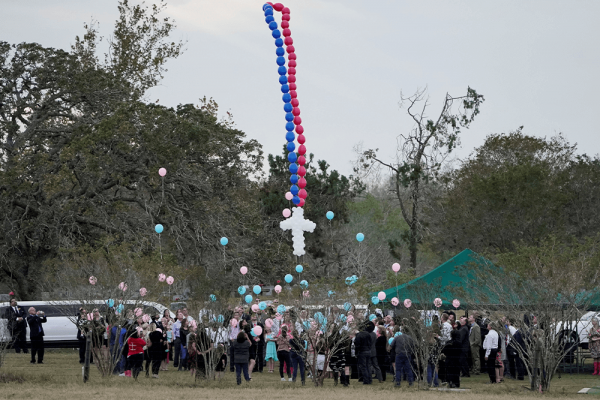
A federal judge found the U.S. government 60 percent responsible for a 2017 mass shooting that killed 26 people at a rural Texas church, where a former Air Force serviceman used firearms he should not have been allowed to purchase.
U.S. District Judge Xavier Rodriguez ruled on Tuesday that the Air Force did not use reasonable care when it failed to record Devin Patrick Kelley's plea to domestic violence charges in a database used for background checks on firearms purchases.
He said the government bears "significant responsibility" for harm to victims of the Nov. 5, 2017 massacre at the First Baptist Church in Sutherland Springs, TX.
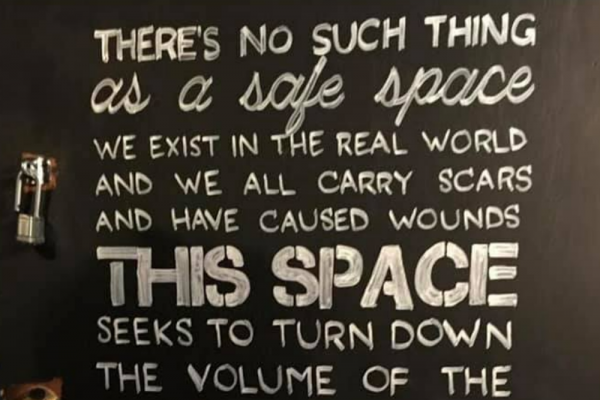
“I saw my poem posted on another website and attributed to someone else,” Beth Strano wrote in response to a comment on her post. “I thought it was an honest mistake, but then I searched and realized this woman has been claiming that she wrote this poem and publishing it and doing readings of it.”
Abuelita theology is birthed from the reality that in Latine religious culture, matriarchal figures serve as the core of preserving and passing on religious traditions, beliefs, practices, and spirituality within the family.
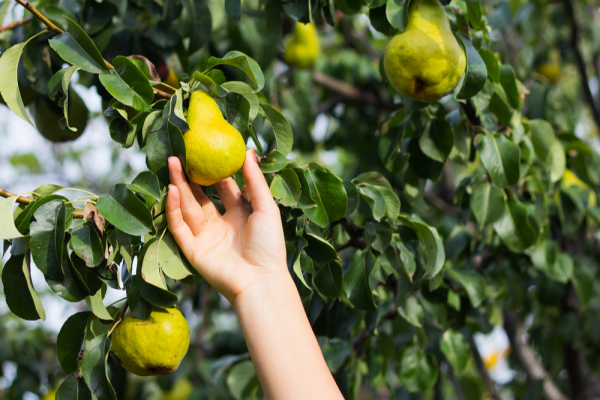
In his spiritual memoir, Confessions, St. Augustine spends the better part of a chapter recounting how, as a teenager, he and his buddies once “filched immense loads” of pears from a neighbor’s tree. This and other confessions drew our attention this week.
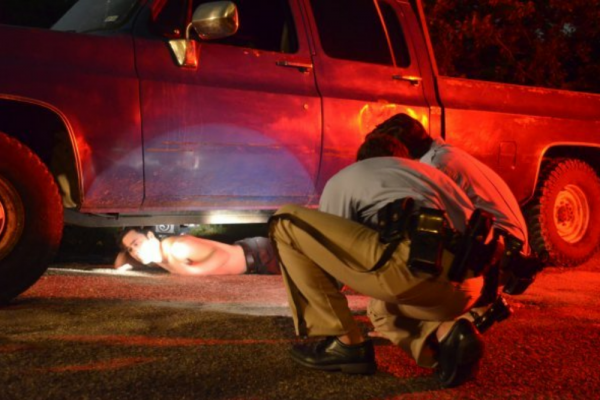
I urge everyone to see The Phantom. It breaks new ground — uncovers new evidence — that cements the conclusion I have maintained since 2006: Carlos DeLuna was an innocent man who was executed for a crime he did not commit.
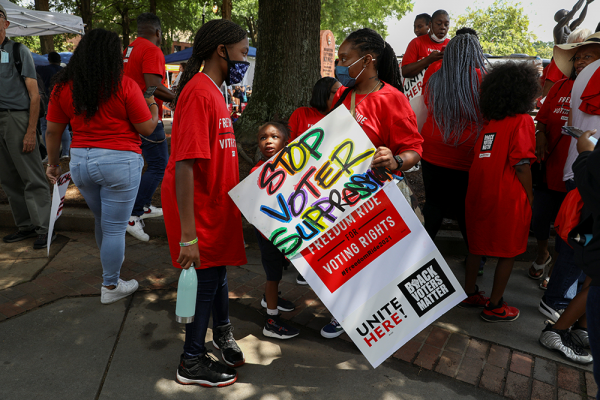
Rev. Carl McCrae, bishop and founding pastor of Exousia Lighthouse International Christian Ministries in Lithonia, Georgia, remembers that his grandfather was one of the first people to vote in Georgia’s Montgomery County. Government officials attempted to prevent his grandfather from voting — until a white man vouched for him. Now, McCrae sees his ministry as continuing his grandfather’s fight for Black and brown Americans’ voting rights.
“I don't see a discontinuation between what I do in the pulpit on Sundays and what I do every day of the week,” McCrae told Sojourners. “That is to advocate for people of color and marginalized people as the systems that are rigged against them seek to destroy them.”
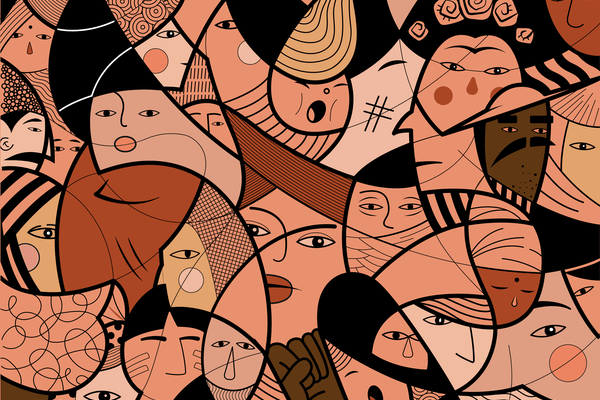
Religion can be a source of resilience and strength for individual refugees as well as the refugee community as a whole. Mosques, temples, and other sites of worship and ritual practice foster rich social networks, generous mutual aid, and meaningful forms of spiritual and cultural connection. Religious institutions, long recognized as pillars of ethnic community life, are especially vital for refugees who have experienced the traumas of war, forced migration, and resettlement.