[Match] Stand for Truth. Work for Justice. Donate

God's Extraordinary Ordinariness

Amy Peeler writes about the charms of Ordinary Time.

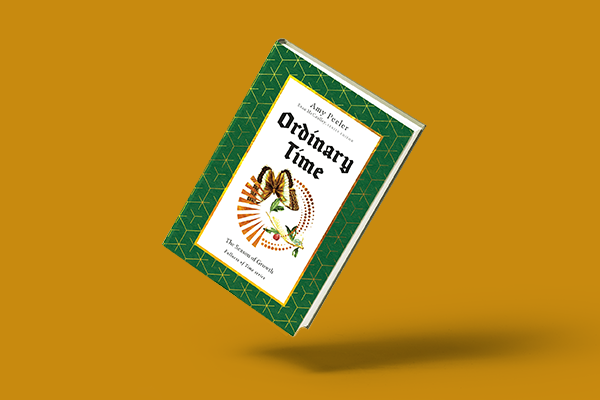
Ordinary Time, by Amy Peeler

BEFORE WRITING HER book of reflections on Ordinary Time, Amy Peeler said she “dreaded” this liturgical season. “[As someone] fed by excitement and change, this season seemed to offer little of either,” she writes. Fortunately, instead of asking Peeler to write about Advent or Lent for IVP’s Fullness of Time book series, editor Esau McCaulley assigned Peeler the longest, most often overlooked liturgical season.

I didn’t grow up in a church that utilized liturgy beyond the occasional recitation of the Apostles’ Creed, so perhaps I fit squarely in IVP’s target demographic for the series. “Christians of all traditions are finding a renewed appreciation for the church year,” McCaulley writes in the series preface. The goal of these books, he continues, is to teach Christians “how the church is forming them in the likeness of Christ through the church calendar.”

Sounds heady, I know. But Peeler, a professor of New Testament at Wheaton College in Illinois, grounds her work in the extraordinary ordinariness of Jesus’ incarnation. Peeler herself was struck by this idea when visiting the Holy Land, where she spent much of her time walking. “Jesus’ life would have included many ordinary days, days in which he was simply walking from one place to another,” she writes. “His human experience was no less redemptive on those days than on the ones that he did or said something the inspired evangelists chose to record.”

Ordinary Time is broken into two chunks following the Christmas and Easter seasons. The longer of these two periods stretches from after Pentecost until the feast of Christ the King. As symbolized by the liturgical color green, Ordinary Time is meant to be a period of quiet, consistent growth.

Peeler invites Christians to hold the ordinary and the sacred together.

Peeler kicks off her book with the Annunciation, the celebration of the angel Gabriel telling Mary she would give birth to Jesus, even though this rarely falls within the church season of Ordinary Time. In the Magnificat, Peeler sees an enduring message for those concerned about divides between different Christian groups. “Sometimes the cure for disunity is not compromise and silence, but boldness, an irrepressibly joyful proclamation that God values all people, often by showing a preference for those who are not typically valued,” she writes. “This is dangerous territory, of course, because scoundrels too think they are right. The hard of heart speak loudly and shun compromise. Hence it is vital that Mary did not utter this song alone. If she had been praising herself, airing her grievances, and preparing to fight the power with her own power, the older-and-wiser, Spirit-filled Elizabeth would have corrected her.”

This short volume goes on to examine other scriptures that are commonly read in this season, including Hagar and Ishmael’s desperation in the wilderness and God’s test of Abraham.

Ordinary Time leads us into Advent. Ending with a recognition of Christ as triumphant and transcendent plays on the central tension of the book and one of the greatest mysteries of Christian faith: Jesus, while living among us, invited us all to experience divine majesty while spending much of his time in the mundane, earthy rhythms of human existence. During the six months when green banners hang in so many churches, Peeler invites Christians to hold the ordinary and the sacred together.

This appears in the January/February 2026 issue of Sojourners