1. How to Talk to Climate Change Skeptics in Your Church
This weekend, the People’s Climate March hits Washington, D.C., and sister marches are planned throughout the country. But 7 in 10 people don’t talk about climate change with friends and family. Here’s how to start.
2. Women Are Dying Because Doctors Treat Us Like Men
Marie Claire’s Kayla Webley Adler digs into the systemic reasons behind why female patients' symptoms are less likely to be taken seriously by doctors, and women are more likely to be misdiagnosed, have their symptoms go unrecognized, or be told what they're experiencing is psychosomatic.

Alaura Carter takes us inside climate justice work at Sojourners, and why we're headed to the #ClimateMarch on Saturday.

I was privileged to work in the transition-to-democracy team in South Africa in 1994. I cast my early vote for Nelson Mandela on April 26 — 23 years ago yesterday. I worked with Madiba’s team on his inauguration speech. April 26 is a special day for me. For most of my beloved countrywomen and men in South Africa, victory day is April 27 — Freedom Day. This day marked the first post-apartheid national election, a day when everyone over age 18 was allowed to vote.

Any anti-sanctuary city measure may face a tough road after a federal judge this week blocked Trump's executive order seeking to withhold funds from local authorities that do not use their resources to advance federal immigration laws.
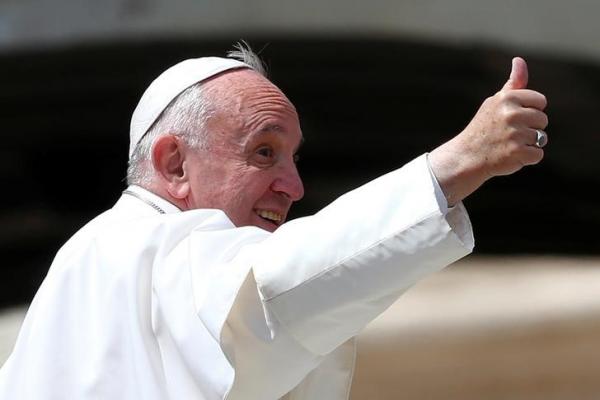
Pope Francis flies to Cairo on Friday, less than a month after church bombings killed 45 people in two Egyptian cities as part of a concerted campaign by Islamist militants to rid the Middle East of Christians. Home to some of the faith's earliest churches, the region's Christian communities have been in decline for decades, but wars this century in Iraq and Syria, and the emergence of Islamic State have put their future in doubt.
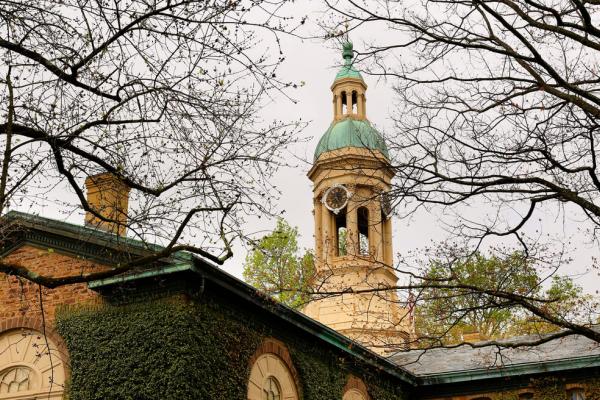
Perhaps one reason the events played out differently at Princeton is because folks there insisted on seeing one another as members of a community, participants in the one Body of Christ, and in that spirit mustered what Dietrich Bonhoeffer once called the “ministry of bearing” essential to maintaining community. In 1938 Bonhoeffer wrote a book about his own seminary called Life Together, in which he emphasized that the enjoyment of fellowship with other Christians is a privilege, a gift of God’s grace. But he also understood that the church is a human community, and therefore not immune from conflict. Christians, he said, ideally respond to their inevitable conflict with a reassertion of mutual care and intentional practices of community building in the name of Christ.

Since Inauguration Day, I’ve seen a lot of emotional outbreaks from the people of America — people on separate ends of the political spectrum, on separate ends of what it should mean to be a person of faith in America. These divisions have been reinforced with violent hate crimes and rants from church pulpits; they’ve resulted in people leaving the church and claiming that Christianity is nothing more than a white man’s religion practiced through discrimination and oppression.

Donald Trump’s wall is obviously a terrible idea: It’s both impractical and ineffective — and more importantly, it’s immoral. Building Trump’s wall would be building a 2,200-mile-long monument to racism.

Anti-Semitic incidents, from bomb threats and cemetery desecration to assaults and bullying, have surged in the United States since the election of President Donald Trump, and a "heightened political atmosphere" played a role in the rise, the Anti-Defamation League said on April 24.

The Bible may be a source of wisdom for many Americans, but most don’t read it for themselves, a new survey shows.
More than half have read little or none of it, reports LifeWay Research.
“Even among worship attendees, less than half read the Bible daily,” said Scott McConnell, executive director of the evangelical research firm based in Nashville, Tenn.
“The only time most Americans hear from the Bible is when someone else is reading it.”