pope
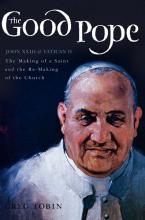
Fifty years after Pope John XXIII convened the Second Vatican Council that revolutionized the Catholic Church, will the jolly man known as the "Good Pope" be declared a saint of the Roman Catholic Church? Perhaps the better question is: Should he be?
On the evening of June 3, 1963, John XXIII passed into eternity with his family, doctors and household staff present in the papal apartments where he had lived for four and a half years. The Vatican press office issued this terse statement: “He suffers no more.”
Immediately, there was a movement by some close to the deceased pope to have him canonized by acclamation, as saints had been during the early centuries of the church. The first session of the Second Vatican Council (1962-65) had ended in December 1962, and the pope had published his landmark encyclical letter,Pacem in Terris (Peace on Earth) in April 1963.
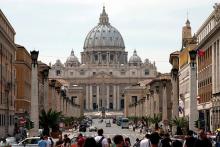
Just one week after Pope Benedict XVI ended his successful visit to Lebanon, the country's most senior Catholic leader called for a United Nations resolution “that will ban denigrating religions.”
Meanwhile in Pakistan, the country's only Catholic cabinet member, Minister of Harmony Paul Bhatti, this week told an interfaith gathering in Lahore that he will press U.N. Secretary General Ban Ki Moon to pass a UN resolution that condemns "defamation and contempt against religions." Bhatti said "we must not allow anyone to break our harmony" between Christians and Muslims.
Both moves are understandable in light of increasingly popular efforts in predominantly Muslim countries to outlaw blasphemy or defaming religion. But they could prove problematic for the Vatican as it fights to protect the rights of Christian minorities around the world.
The debate suggests a widening gap between the Vatican's official position, which opposes such measures, and the day-to-day reality of Catholic leaders on the ground, who often feel compelled to support Muslim efforts to protect religious tenets and religious figures from defamation.
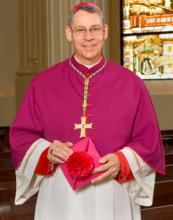
Finn, leader of the Diocese of Kansas City-St. Joseph and an outspoken conservative in the American hierarchy, was convicted of a single misdemeanor count for not telling police that one of his priests, the Rev. Shawn Ratigan, had taken hundreds of lewd images of children in Catholic schools and parishes.
But even as he became the first U.S. bishop ever convicted in criminal court for shielding an abusive priest, Finn’s standing inside the church appears uncertain, and the subject of intense debate.
Should he stay or should he go? Finn has indicated that he wants to tough it out.
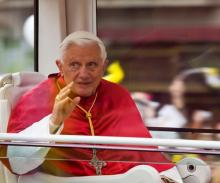
Nearly lost amid ongoing reports about the Vatican leaks scandal, Rome’s battle with American nuns, the American bishops’ battle for religious freedom, and the priest on trial in Philadelphia, was the news that, by the way, Pope Benedict XVI plans to visit Philadelphia.
Benedict made the announcement at the end of his visit to Milan on June 3 for the church’s triennial World Meeting of Families. The next meeting would be in Philadelphia in 2015, he said, and he planned to be there, “God willing.”
True, the trip won’t happen until 2015, and it may well not happen at all — Benedict would be 88 by then. Even if there's a new pope in 2015, the City of Brotherly Love is still almost assured of getting a papal visit — new popes like to underscore continuity, and respect the plans their predecessors had in place.
In a larger sense, the visit would be about more than promoting family life, and in many ways it's related to other Catholic issues now dominating the headlines. Here’s why.