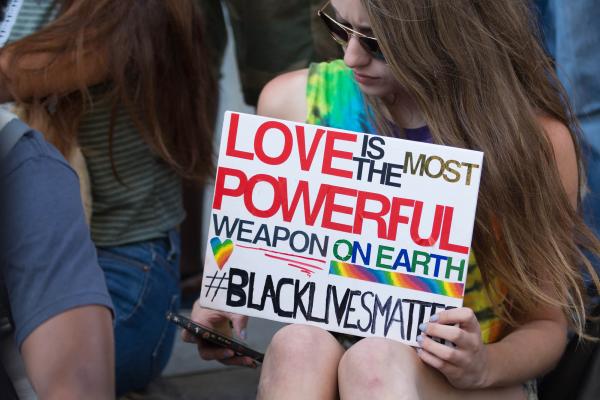
The reality of our privilege is that it makes many truths of systemic injustice unclear to us. We fumble around with murky awareness and bump into our own ingrained racism and ignorance. As allies, the question for us is not if we will screw up, but how we will move forward when we inevitably do.
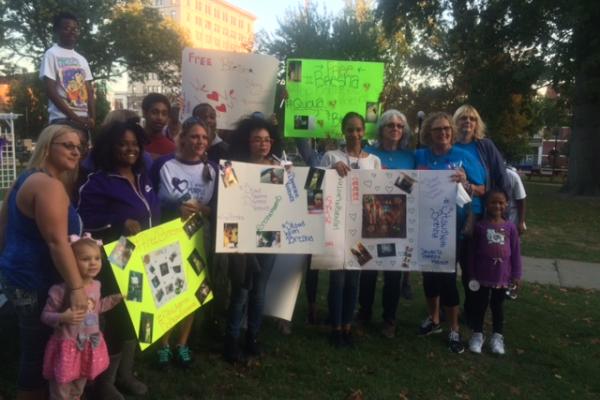
Over the last few months, Bresha’s plight has gained national support as advocates call for her immediate release. Accused of killing her father after enduring a lifetime of abuse, prosecutors have threatened to charge Bresha as an adult, which could potentially leave her in prison for the rest of her life.
For me, Bresha’s story hits way too close to home.
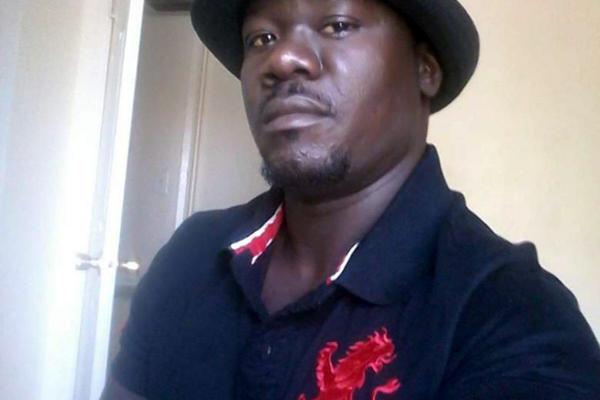
Those in leadership are tasked with navigating the complexities of yet another shooting investigation of an unarmed African-American man with justice and integrity. The mothers, sisters, brothers, and fathers in the community are tasked with lamenting the loss of their loved one who was crying for help, not death. It is in the midst of all this that the church must show up. If we are not an instrument of peace now, then when? Should we run into isolation? Should we cast judgment from afar? Should we shout the party line? No, we must lean in. We must listen. We must lament. We must leverage our influence for the flourishing of others.
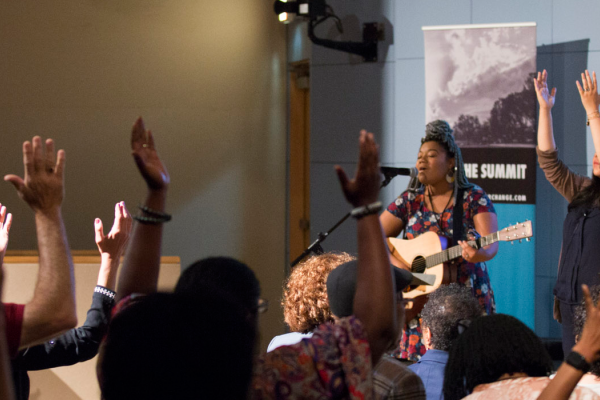
“The vast majority of evangelicals support Donald Trump.” We’ve heard that statement so often during this election season that it’s all but assumed fact. But there’s a problem with that line and with how we talk about “evangelicals” in this election.
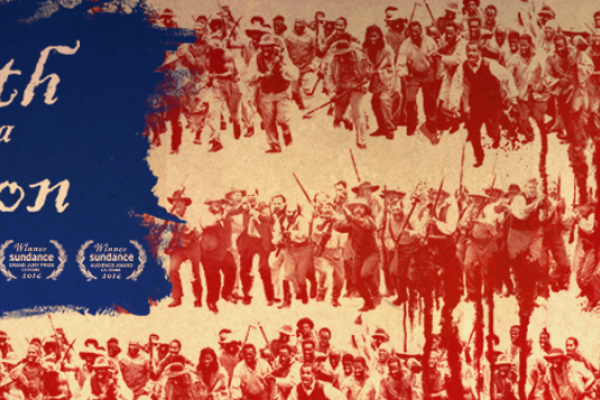
An early scene in Nate Parker’s The Birth of a Nation depicts the wedding of two slaves. As the bride and groom dance joyfully with each other in the midst of a circle of their fellow slaves, the group around them sings: “You got a right, you got a right, you got a right to the tree of life.”
Several scenes later, Nina Simone’s Strange Fruit plays as the camera pans out slowly to show a massive live oak tree full of lynched black bodies. It’s a nauseating image, and the two scenes draw a heartbreaking connection: In this world, oppressed people claiming their right to the tree of life can be a death sentence.
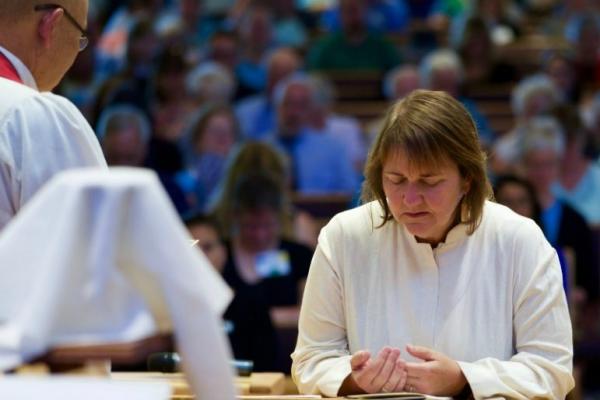
Undoing the election of the first openly lesbian bishop in the United Methodist Church will be a primary goal when 1,500 Methodist evangelicals gather this week in Chicago to found a new renewal group, according to organizers.
At the inaugural meeting of the Wesleyan Covenant Association on Oct. 7, charter members will outline their expectations for a soon-to-be-appointed denominational commission to discuss the conflict over sexuality.
A common misconception is that to be a pro-life Catholic, one simply has to be anti-abortion and anti-contraception. For years this “pro-life” definition has largely been unchallenged. That is, until recently.
A poll conducted in 2014 by the Public Religion Research Institute found a majority U.S. Catholics favor greater government involvement on economic issues via minimum wage increases, infrastructure investments, and universal healthcare. Furthermore, U.S. Catholics believe that to promote economic growth, the government should raise taxes. These aren’t just pro-growth policies, they’re pro-life policies.
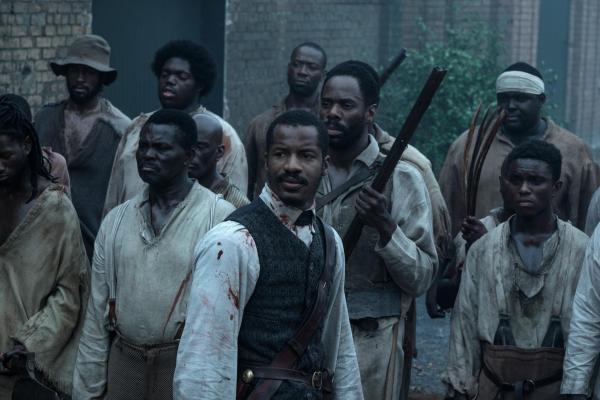
James Baldwin, the American author wrote about this white inertia:
“Northerners proffer their indignation about the South as a kind of badge, as proof of good intentions; never suspecting that they thus increase, in the heart of the Negro they are speaking to, a kind of helpless pain and rage -- and pity. Negroes know how little most white people are prepared to implement their words with deeds, how little, when the chips are down, they are prepared to risk. And this long history of moral evasion has had an unhealthy effect on the total life of the country, and has eroded whatever respect Negroes may once have felt for white people.” (The Price of the Ticket, p. 266)
I came away from the film asking the question: Knowing that I have white privilege, what am I willing to risk to further the cause of racial justice?

On Sept. 28, 6-year-old Jacob Hall was shot on the playground of Townville Elementary School in South Carolina. He died Oct. 1, after spending days on life support.
At his memorial service Oct. 5, Hall, who is said to have loved superheroes, was surrounded by superheroes of his own — family, friends, and classmates of Hall's arrived in capes and costumes to remember his life and to help reassure eachother that "the good will win," reports ABC News.
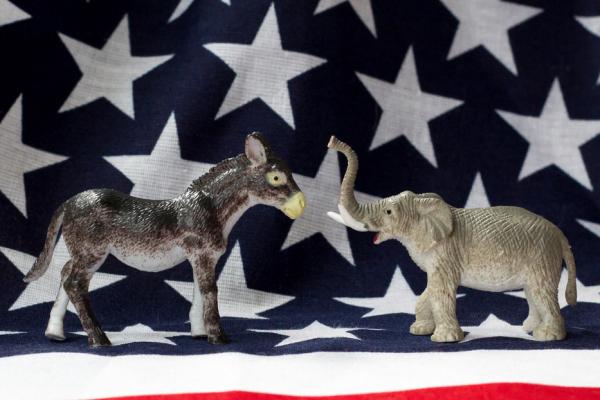
Indiana Governor Mike Pence and Virginia Senator Tim Kaine faced off in the 2016 Vice Presidential Debate on Oct. 4 at Longwood University in Farmville, Va. The 90-minute showdown was moderated by CBS reporter Elaine Quijano, the first Asian American reporter to moderate a national debate. Along with the now-expected characteristics of national debates — attacks on the presidential candidate of either ticket, substance versus style, and, for this election cycle, repeated interruptions — one distinguishing factor of last night was the religious nature of both candidates.