3. March for Science. And Climate.
This weekend is the March for Science. Next week is the People's Climate March. LISTEN to our audio short, where we have a serious chat with scientists about religion. Then WATCH our video short, where we very non-seriously contemplate whom we might meet at the Climate March.

Arkansas, which has not conducted an execution in 12 years, at one point had planned to execute eight inmates in 11 days, the most of any state in as short a period since the U.S. Supreme Court reinstated the death penalty in 1976.

While President Donald Trump has been stymied on many fronts — the legal challenges to his refugee ban, the defeat of the AHCA, and the complete lack so far of any legislative accomplishments — Jeff Sessions is firmly in place as the nation’s top law enforcement officer. And he has been busy.
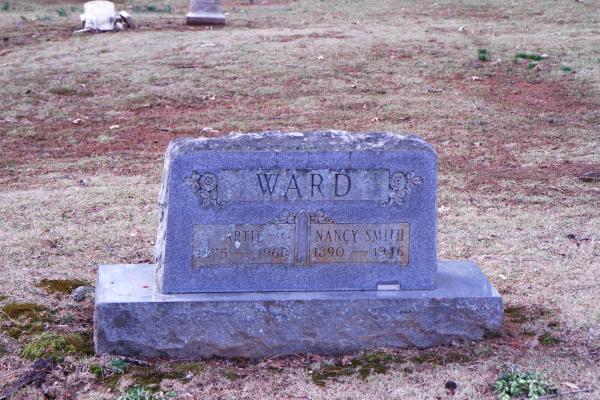
Misidentified or abandoned slave cemeteries aren’t unusual in the United States. In Virginia alone, Rainville estimates that at least 60 percent of the state’s slave cemeteries are unidentified, damaged, or built over — and even when preserved, very few people know about them.
“For every white burial, there is a black burial somewhere. But today, there are many more preserved white cemeteries than there are black cemeteries, especially slave cemeteries,” Rainville said.

What a Christian author started on a whim rapidly turned into a whirlwind. Sarah Bessey, author of Jesus Feminist: An Invitation to Review the Bible’s View of Women, created a Twitter hashtag on April 18 called #ThingsOnlyChristianWomenHear. She kicked it off with a couple things that have been addressed to her.

Bill O’Reilly, host of the O'Reilly Factor, will leave Fox News, the channel's parent company announced today. The move comes after several sexual harassment complaints and a subsequent loss of corporate sponsors.
“After a thorough and careful review of the allegations, the company and Bill O’Reilly have agreed that Bill O’Reilly will not be returning to the Fox News Channel,” a statement from 21st Century Fox read.
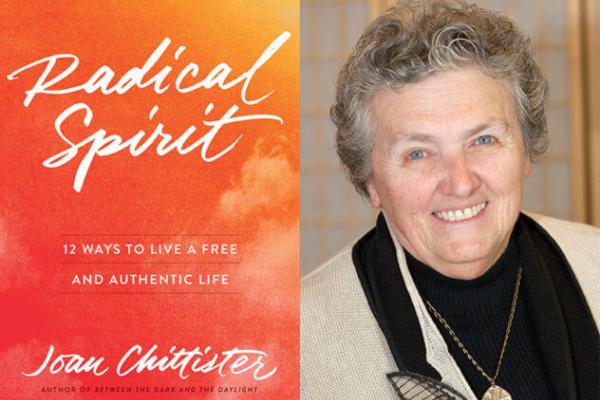
Sister Joan Chittister opens her latest book with the story of Abba Zosimas, a fifth-century monk in Palestine. Abba Zosimas taught his followers, “The soul has as many masters as it has passions.” Chittister wants her readers to look “gently, kindly but clearly,” at those masters and passions in their lives, she said.

The case, which examines the limits of religious freedom under the U.S. Constitution, is one of the most important before the court in its current term. It also marks the biggest test to date for the court's newest justice, President Donald Trump's appointee Neil Gorsuch.
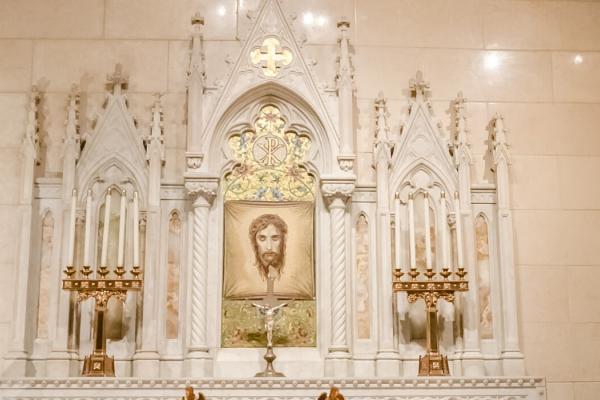
Yet the overall message of the New Testament, especially the book of Acts, is that the church is not a separate community with its own culture. The power of Christianity is found in what scholars of mission call its capacity for contextualization, which means that the message of Christ can be translated into different languages, cultures, and contexts.

Paschal pardon here exemplifies a miscarriage of justice for one of the prisoners. The custom condemns Jesus, whose guilt is dubious. Ultimately, Jesus divinely conquers the unjust system at hand when he walks freely among his disciples in the flesh, three days after he is crucified as a criminal. But the possibility of a triumphant erasure of crime in the U.S. is limited. Constitutionally, the president can offer clemency — or “leniency” — for any federal offense, aside from cases involved with impeachment, by two methods: commute, which lessens the sentence but retains civil restrictions like the loss of the right to vote, or pardon, which eliminates the sentence entirely.