
The New Zealand white power killer, a 28-year-old white Australian man, murdered 50 Muslims while they were worshipping and injured 50 more in two deadly Mosque shootings — the deadliest event of its kind in New Zealand’s history. He cited as inspiration Dylann Roof, a young white American man who murdered nine African-American Christians while they were studying the Bible at Mother Emanuel American Methodist Episcopal Church, in Charleston, S.C., after they had invited the stranger into their Bible study.
New Zealand reflections, churches tackling affordable housing, harassment in housing, the diverse Texas legislature, and more!
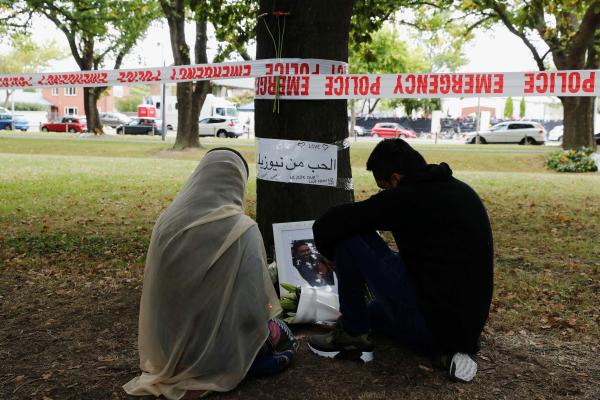
The struggle against hatred is as old as humans, and it will continue after each of us is gone from the planet. But God has given us this moment to join the struggle against the ideologies that that inflict such evil upon our families, our communities and our world.
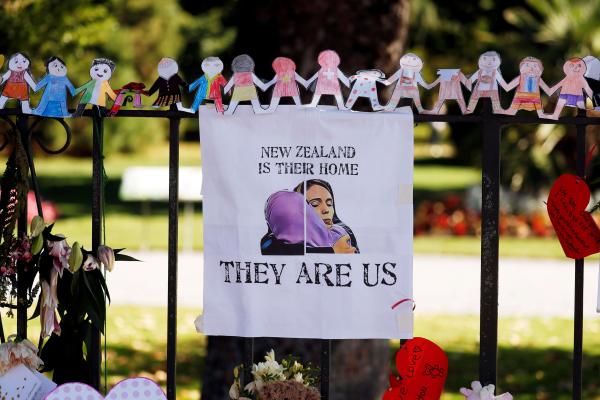
As executive director of the Shoulder to Shoulder Campaign, my professional life is concentrated on counteracting anti-Muslim discrimination and violence. When I started this work, there were many from my white Christian community of origin that wondered if I had converted to Islam — as if that’s why I started doing this work. I understood where the people asking this question were coming from, but the assumption behind it bothered me. They assumed the only reason Christians would care about anti-Muslim hate in the United States is if they had converted to Islam themselves. The assumption caused me to dig deeper into why I would care enough about this issue to devote myself to it not in spite of my Christian identity but because of it.
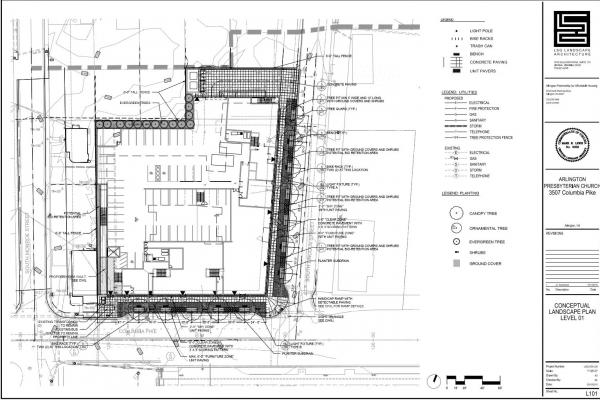
If congregations could conceive of their buildings differently, could we address the nation's major affordability gap? A look at the trend of faith-based organizing for affordable housing.

In our faith walk, there is much to celebrate, but insistently characterizing life as a triumphant march from glory to glory can alienate people who don’t find life quite as sunny. Church culture can feel painful for people who deal with various health issues or certain kinds of inner suffering that make it difficult to sense God’s presence. There’s little discussion in church of the “dark nights” that are a normal part of the faith journey, or the fact that such nights can last for years in some cases.
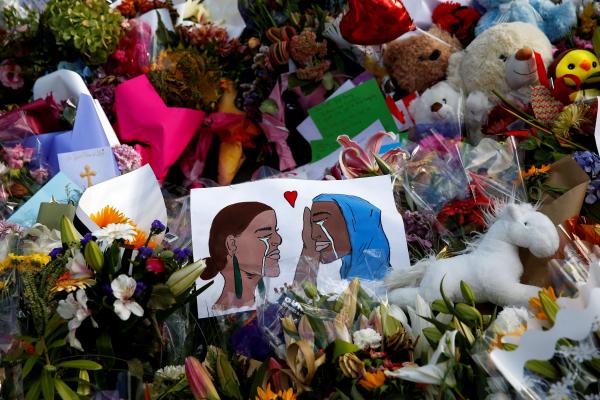
Let me tell you what it’s like to walk into a classroom studying world religions after a mass shooting at a house of worship. I know because I’ve done it twice in six months. Last October, my students and I returned to class after 11 people were gunned down in Pittsburgh during Shabbat services. Last Friday, we awoke to a shooting that killed 50 people during Jumu'ah prayers at a New Zealand masjid.
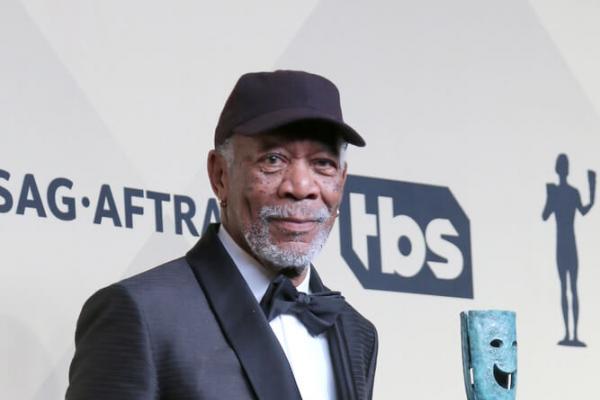
Morgan Freeman’s dulcet tones make him one of the most recognizable voices on the planet. He has used his presence to become one of the most famous actors of his generation, during which time he won the Academy Award for Million Dollar Baby, was nominated four more times, and has also picked up Golden Globe and Screen Actors Guild gongs. In recent years, Freeman has been focused on the documentary series The Story Of God With Morgan Freeman.
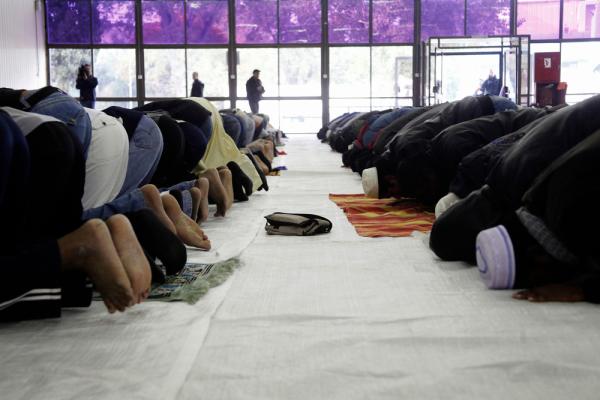
Muslims believe Friday was chosen by God as a dedicated day of worship. In addition to the prayer itself, which is shorter than the usual midday prayers, Friday services include a sermon, usually given by a professional male Muslim clergy member in Muslim majority countries, but in the West, they are also given by a male lay community member.

So where can we find hope, and how can we actually move the needle on climate change? By doing three things: One, Americans should follow a moral compass, not a political one. Two, we must focus on bringing change locally. And three, religious leaders should lead the charge by imploring followers — in churches, synagogues, mosques, or temples — to see the moral and theological imperative of protecting all of God’s creation.