Our greatest prophets took the time to ask that question often, and we can follow in their footsteps.

As people of faith, our blood should boil when we hear people try to say our God is for marriage segregation.
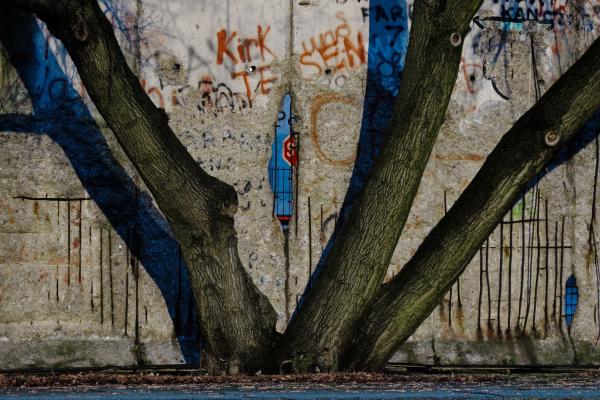
How would our world change if we let trees remind us that there exists a natural landscape that transcends the geopolitical, that their branches and roots will not be stopped by the lines drawn on a map by people with various agendas?
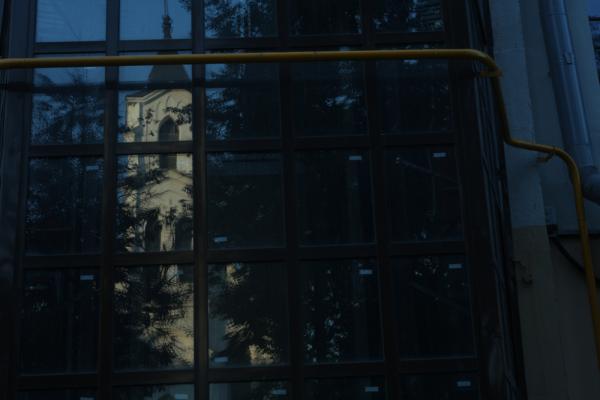
Most everyone I grew up with near Goodman Street in northeast Rochester attended Corpus Christi. A post-Vatican II parish complete with folk group and food pantry to help a neighborhood of mostly single mothers, the church was a rare source of sustenance and light. Still, by the time we hit our twenties, most of us had escaped the urban neighborhood and along with it, left the church. I returned a few years ago — first for Christmas Mass, then to interview a parishioner for a story, and then for no good reason at all. This unmoored me. Even as I sang the Psalm, I surveyed the rows of empty pews.
Amazon Synod, Robert Jeffress’ civil war, Gandhi under scrutiny, and more.

How do we maintain hope when our earth is brutalized daily by the climate disasters brought on by human greed, denial, and consumption?
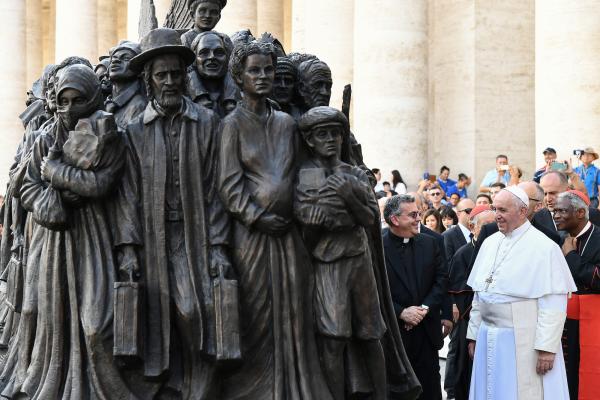
It’s a tragic fact that 75 percent of white Americans have no people of color in their social circles outside of work. Dr. Martin Luther King Jr.’s observation that 11 o’clock on Sunday morning is the most segregated hour of the week is still largely true. And if you’re only in a world that looks like you, then you aren’t going to understand Jesus’ answer to the question “And who is my neighbor?”
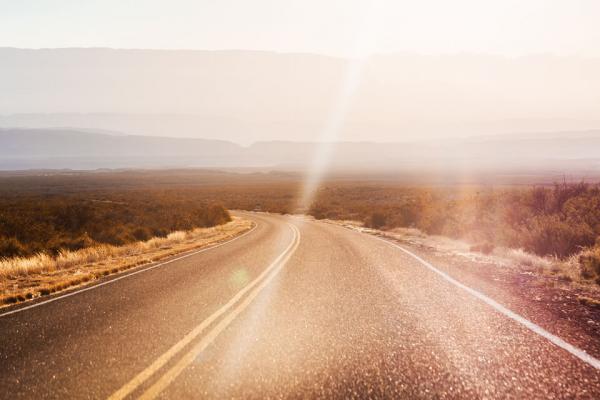
Revelations are supposed to happen on roads. Prophecies on the road from Delphi. Epiphany on the way to Judah. Miracles on the road to Damascus. You don’t expect them to happen on empty highways in East Texas.