
When Raleigh Mennonite Church decided to fast from food waste for Lent, they didn’t know that 14 days in, the World Health Organization (WHO) would declare COVID-19 a pandemic. At a time when a core group of members planned on salvaging still-edible food from the dumpsters outside of grocery stores, hoards of Americans emptied the supermarket shelves of essentials like milk and bread and boxed wine.


As the nation tries to slow the advance of the coronavirus pandemic, most of the nation is engaged in responsible social distancing. In this episode of our Sunday Sermon in a Pandemic series, Sojourners Executive Director Adam Taylor and Rev. Jim Wallis share their thoughts on biblical teachings that can guide us through these times when the staggering devastation of the COVID-19 pandemic ravages our nation — and the world — after months of unconscionable inaction by President Trump.
Last rites via zoom, wartime metaphors, Portugal protects migrants, and more.

COVID-19 ignores the social constructs we've made to disregard one another.

Detention center COVID-19 outbreaks could quickly swamp local hospitals.

The likely death toll numbers confirmed this week by medical authorities as a result of the coronavirus pandemic are staggering.

While many adjust to a new normal of isolation during the coronavirus pandemic, others are sounding the alarm, warning of the vulnerability of those in America’s prisons and jails.
“If I’m not speaking for the least and the last — and a large group of those are incarcerated people — then who will speak for them?” Rev. Dr. Kelle Brown of Plymouth United Church of Christ in Seattle, told Sojourners. “My solidarity most certainly must be attached to those who are most vulnerable.”
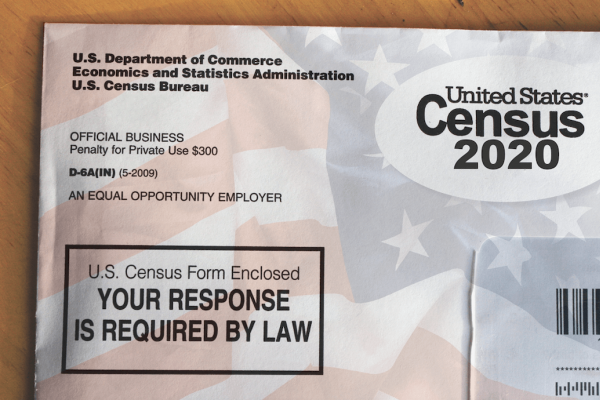
Faith leaders are working creatively to spread the word about the census by posting information on social media, preaching on the census during remote worship services, and placing op-eds in local outlets. We will not let a global pandemic stop us from making sure every person in this country receives the representation and resources they deserve.