
When I was coming out of the closet, I was looking for someone—anyone—to share about their experience of coming out as a queer woman raised Catholic.

On May 18, two teenagers shot and killed three people in a coordinated attack on the Islamic Center of San Diego, which also houses a school. At the time of the shooting, there were 140 schoolchildren inside the center. Community members said that the three men who were killed—Amin Abdullah, Mansour Kaziha, and Nadir Awad—sacrificed their lives to protect the children. Subsequent investigations have found that the two gunmen left behind anti-Muslim, anti-Black, anti-women, and antisemitic writings.
In the wake of the shooting, it can feel easy to give in to despair as we witness yet another shocking act of violence against marginalized religious communities in the United States. But this is not a time for despair. Instead, it is a time for action. For Christians wondering what to do, here are five things you can do now to support Muslim communities and fight Islamophobia in your community.
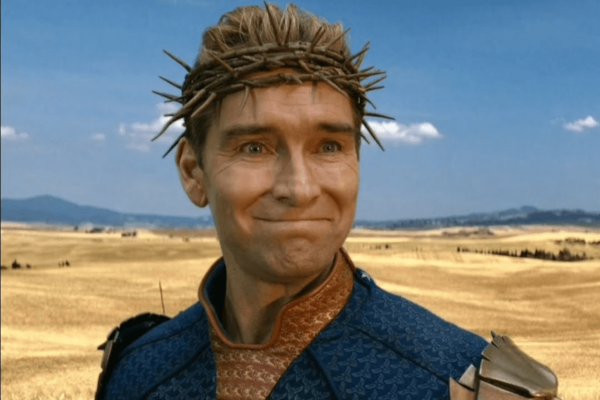
Amazon Prime’s The Boys wrapped up its fifth and final season last week, and its overarching theme was: faith. After becoming the de facto CEO of Vought and president of the United States, antagonist Homelander—a narcissistic Superman foil, wrapped in the American flag and played to perfection by Antony Starr—still isn’t satisfied.
Craving what he’s craved since lab birth—unconditional love and devotion with no expectation of anything in return—he declares himself a god and uses Vought’s media machinery to convince the American public of his divinity. Guided by visions of his former boss, Madelyn Stillwell—a Mary-esque mother-figure who, before he murdered her in Season One, used to breastfeed him—he ultimately decides to kill (“cleanse”) anyone who doesn’t “in their heart of hearts” believe in his divinity.
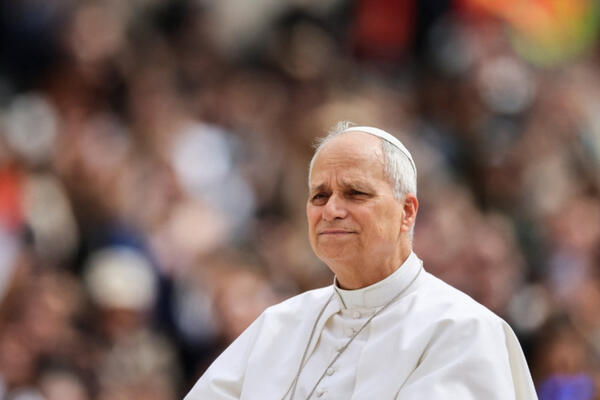
With the release of his encyclical letter Magnifica Humanitas on May 25, 2026, Pope Leo XIV has signaled that he wants the church to respond to artificial intelligence much as a predecessor, Pope Leo XIII, responded to upheavals during the Industrial Revolution over a century ago.
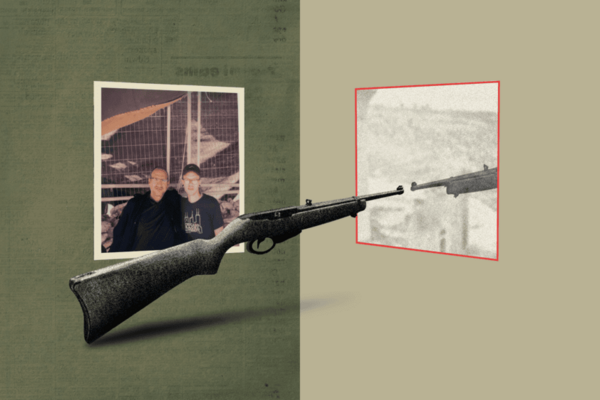
I saw a lot of things in Palestine that made me think about my gun. I had purchased it some years ago, when I realized what little democracy we had left in the United States was deteriorating. When you live in a country where an individual has the right to bear arms as a stopgap against tyranny, and then you suddenly realize you are witnessing tyranny’s rise, you arm up.

“Do you know what humans call stupid people who can't think for themselves?” one sheep pointedly asks another in director Kyle Balda’s The Sheep Detectives.
The other sheep, a bit dim, responds: “Ducks?”
A murder mystery that casts a flock of talking sheep in the Hercule Poirot role sounds like a mildly diverting kids’ cartoon from one of Disney’s less inspired eras. And yet, my interest was piqued when I saw the script came from Craig Mazin, who’s been delivering television wonders like Chernobyl and The Last of Us. Working off Leonie Swann’s hit novel, Mazin turns this cutesy premise into a profoundly moving meditation on memory, belonging, and mortality. Throw in a game voice cast and a juicy puzzle and you’ve got Babe meets Knives Out, with all the wit, charm, and twists those comparisons invite. It’s a real contender for 2026’s biggest surprise.

Micah 6:8 is one of the most well known and most quoted scriptures of the Old Testament prophets. “He has shown you, O mortal, what is good. And what does the Lord require of you? To act justly and to love mercy and to walk humbly with your God.” These words are eternally relevant, but sometimes they ring more urgently than others.
This week, the Trump administration announced a nearly $1.8 billion fund to compensate his allies who he believes have been unfairly investigated and prosecuted by the Department of Justice. As others, including legal experts, have noted, this amounts to Trump looting the nation to pay off his friends and supporters. In terms of scale, it may well be the most corrupt act in U.S. political history.
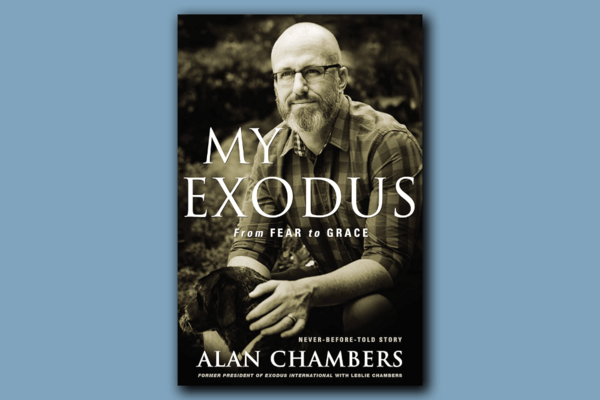
Zondervan will put Alan Chambers’s book My Exodus: From Fear to Grace out of print following the news of Chambers’ arrest for solicitation of a minor.
Chambers, a leader and later renouncer of ex-gay ministry Exodus International, was arrested by the Orlando Police Department on May 19. According to case details first reported by ABC affiliate Channel 9 Orlando News, Chambers is charged with three felonies he messaged a detective posing as a 14-year-old boy. The Advocate reported that he “frequently discussed meeting up and engaging in sexual activity during that time, as well as concerns about their age difference and if he would get in trouble.”
Chambers joined Exodus International in 2001, leading the ministry until 2013 when Chambers gave a public apology for the organization’s efforts to promote sexual orientation change. He later supported bans on “conversion therapy” for minors and spoke at Pride events. In 2015, he told Religion News Service that he believed same-sex relationships could be holy.
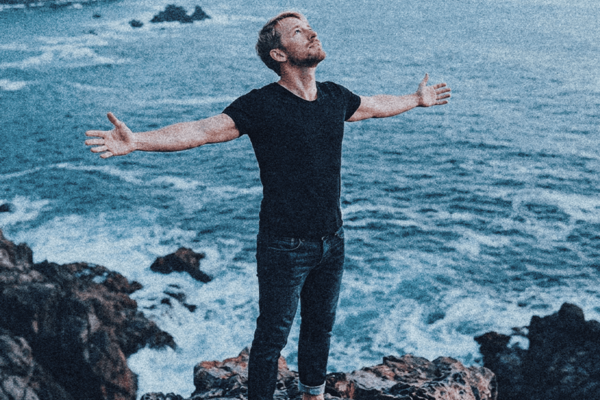
If you grew up listening to contemporary Christian music in the mid-’90s and early-2000s, brace yourself, I am about to get a song stuck in your head.
You may recall “Testify to Love,” as a bubbly, infectious CCM hit from 1997 by the pop quartet Avalon. Originally a cheery anthem to God’s love, Ty Herndon and former Avalon singer Michael Passons have re-released the song with an added layer: LGBTQ+ affirmation.
For Passons, the re-recording of his CCM hit was a moment for the song to come full circle. The Nashville-based artist left Avalon in 2003, at the time saying it was to pursue a solo career. In 2020, he revealed to Billboard that he’d been fired by the band because he is a gay man. Passons took a long hiatus from singing but kept close friendships in the music industry. One of those friendships was with Herndon, one of the first openly gay male artists in country music. Herndon was the one who invited Passons to re-record the song. At first, Passons wasn’t sure how his voice would respond when he stepped in the booth to record.
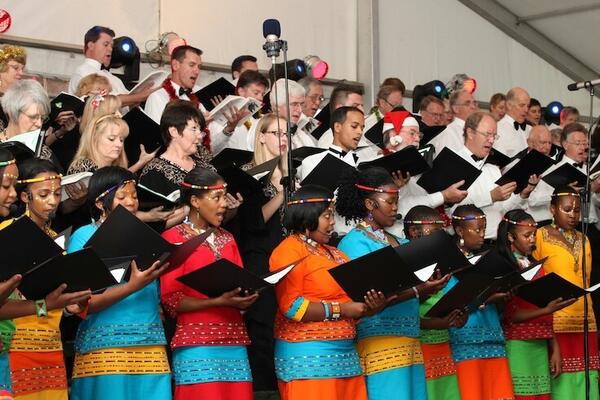
In a dark church, a dozen disciples gather in the upper room of the choir loft. We warm up our voices. We practice our hymns. Although we are not silent, in many ways, we are the disciples on the eve of Pentecost: waiting for the Spirit to descend.
I’m a lifelong choir member. I caught the bug in high school, joined a liturgical choir in college because the boy I had a crush on told me to, and I was briefly a member of St. Patrick’s Cathedral Choir in New York City. I keep finding my way up to the choir loft, even when other priorities crowd out my life. And as much as I enjoy cantoring, leading the congregation in song from the ambo, or singing from my pew with full heart and voice, sitting up in the choir loft among a chorus of voices is where I’ve always felt most at home in church.