Israel
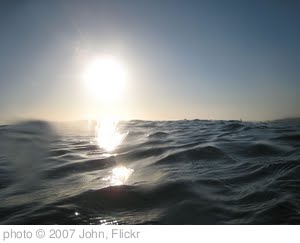 An account in The New York Times by Ethan Bronner reports that Israeli women and West Bank Palestinian women and girls have once again broken Israeli laws. They have gone swimming in the Mediterranean Sea.
More than two dozen Israeli women invited Palestinian women and girls from the southern part of the West Bank of the Jordan River -- who are not normally allowed into Israel and have no access to the sea -- to go swimming with them. Under Israeli military occupation since 1967, according to Bronner, "most had never seen the sea before."
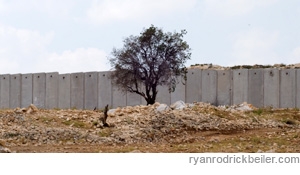 Whenever I give talks on the effects of the Israeli occupation on Palestinian livelihood, the status of nonviolence as a means to resisting the occupation, and how I believe nonviolence is the only way to move forward to resolve the conflict and create a lasting peace between Israelis and Palestinians, one of the first and immediate questions I get from foreign visitors to my office in Bethlehem is, What you said is good, but what about the Muslims? Do they also believe in nonviolence? Do they understand it?" Even if I don't mention religion in my presentation -- and I rarely do -- this question always seems to make its way in our discussions.
Hidden Battles is a 65-minute documentary which follows a female Sandinista rebel, an Israeli officer, a Palestinian freedom fighter, and two American soldiers as they come to terms with their combat experiences. The film offers unique insight and hope into the internal conflicts that human beings around the world continue to face long after they have left the battlefield.
The documentary listens to the stories of these former soldiers as they reconcile what it means to have killed another human. A Vietnam veteran recalls that when he first killed, he was gripped by the feeling that he "did something -- literally against God." Watch this film and see how these veterans have fought to overcome. Each soldier deals with killing in his or her own unique way. Hidden Battles shows five ways in which this act is integrated into five different lives. Ultimately these stories testify to the resilience of the human spirit and hopefulness for the future.
The way you think and feel about the world is shaped by what you see when you get out of bed in the morning. I remember hearing this from civil rights activists. It simply means that perspective is hugely determined by place, context, and vantage point. This is profoundly true for me and most of the people I've ever met. You see the world from the place you live.
Part of the problem in the current budget impasse in Washington, D.C. is the perspectives of the politicians in the debate. Every morning they see and hear each other; the gladiator ring of national politics; the Washington media; their donors; their ideological base; and their latest poll ratings.
In one of the most-viewed articles on FoxNews.com several weeks ago, writer Onkar Ghate presents a choice of competing moralities between Ayn Rand and Jesus. While his exegetical powers leave much to be desired, he is correct in noting that the choice many Americans will have to make, as far as political philosophies go, is between Ayn Rand and Jesus.
This Sunday is Pentecost. For 50 days, a group of 120 followers of Jesus waited. Their teacher, for whom they had left all they had, was now gone. Judas, one of their own, betrayed their master and then killed himself. The comforter they had been promised had not yet come.
The scenes were stunning: Hundreds of demonstrators pouring across the fence between Syria and the Israeli occupied Golan Heights.