
For the first time, a majority of Americans has voiced concern about violence against Jews, polling by the Anti-Defamation League shows.
While 52 percent of Americans surveyed said they are disturbed about such violence, an even higher percentage — 76 percent — said they are concerned about violence against Muslims.

The loyal and fervent fans of at least half (and likely more) of the MLB’s 30 teams believe that “this could be the year.” After all, hope springs eternal. These fans believe: If this or that player can do this or that, if our players are at their best, nothing might stop us! And while that could all be true, baseball season will soon show us how our best is often so elusive.
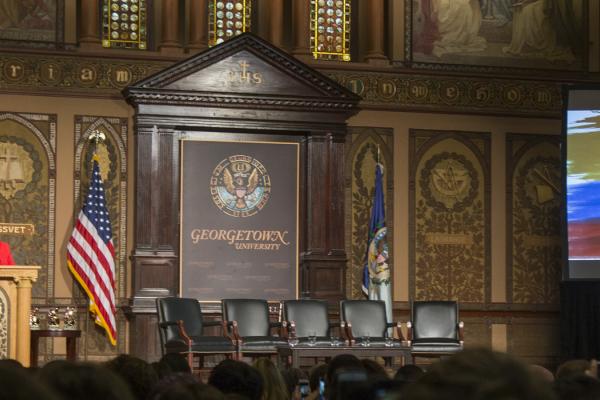
Most of Hillary’s speech was spent using empirical evidence to present a consistent, classic message: Including women in peace processes is strategic and necessary. It isn’t flashy, and it isn’t new — much of Clinton’s career has been dedicated to advocating for international women’s rights. Her message emphasized that having women at the table is pragmatic in any sustainable peace process.

In short, I find myself quickly going beyond the limits set by those who speak most loudly about “getting the government out of our lives.”
I acknowledge, of course, that there are legitimate arguments that can — and should — be carried on about many specifics. When can a given service be most effectively provided by non-government groups and agencies? When does a top-heavy governmental bureaucracy itself become a detriment to the common good? These are important questions that must debated.

In light of these experiences and news of the reduced migrant arrests in March, here are some of the questions I’m asking and ones all Christians should consider: With the reduced movement across the border, am I celebrating what I perceive is best for my country or what is best for my human family? Do my national values conflict with my kingdom values?

Some think the real "Trump effect" was pushing fearful people to move up their journeys and get to the U.S. before he took office. Border arrests in October, November, and December increased by about a third compared to the same period in 2015, before falling this year.
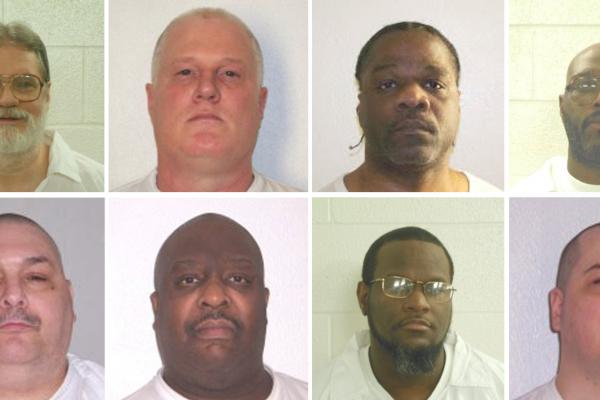
The last time a U.S. state tried to execute two inmates on the same day, a poorly secured intravenous tube popped out, lethal injection chemicals sprayed in the death chamber, and staff said the pressure of dual executions exposed flaws in the protocol. That scenario in 2014 in Oklahoma, where executions are now on hold, has not stopped Arkansas from pursuing an unprecedented plan to put eight inmates to death in back-to-back lethal injections on four days this month.


Pope Francis condemned the suspected chemical weapons attack that killed over 100 people in Syria and renewed his call for an urgent political solution to end the war. Speaking at his weekly audience at the Vatican on April 5, the pope said he was horrified by the “unacceptable” massacre of civilians, including at least 20 children, on April 4.

Can Christians observe Lent in a way that ties social justice consciousness to spiritual Lenten practices of repentance, resistance, and solidarity? The curators of four social media campaigns — #LentenLament, #LentLite, #EmbodiedSolidarity, and #DetoxifyChristianity — are exploring what this looks like in public. “What does it mean to come together, to lock arms together, to really just stand in the gap for people?” Alicia Crosby, executive director of the Center for Inclusivity and co-curator of last year’s #EmbodiedSolidarity campaign, asked.