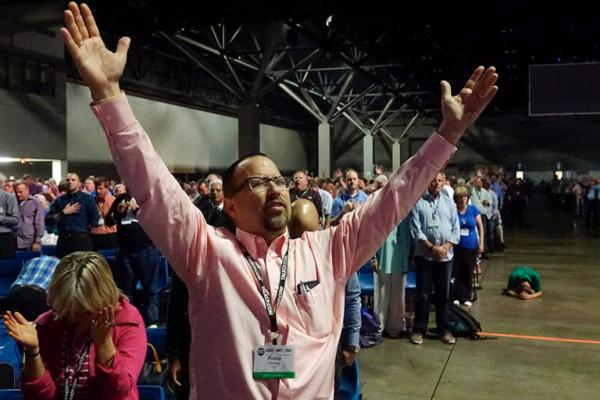
“Barack Obama didn’t divide us,” said Nathan A. Finn, dean of the School of Theology and Missions at Union University, a Southern Baptist college in Jackson, Tenn.
“Donald Trump divided us. His personal behavior, his policy views, his temperament and character, his religious values, all were highly questionable.”
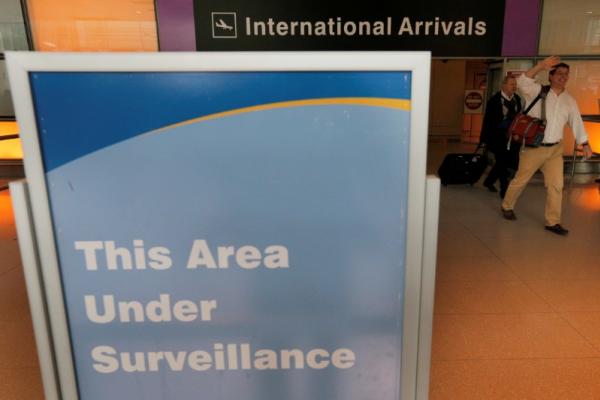
A second U.S. appeals court on Monday ruled against President Donald Trump's temporary travel ban on people entering the United States from six Muslim-majority countries, largely upholding a lower court's decision.
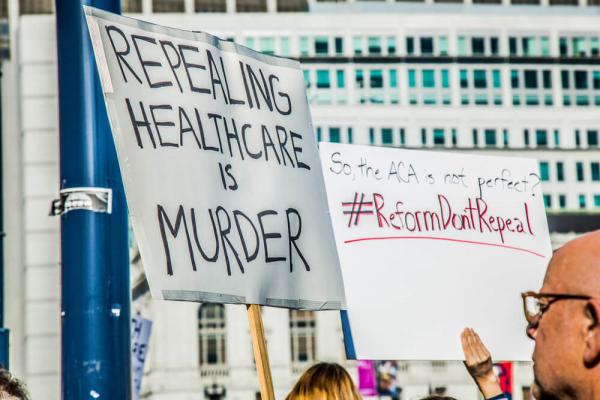
In essence, we have struggled to understand the work and responsibility of Christian compassion in issues of healthcare and policy. Should this responsibility be shared by all and secured by the government, or should it primarily be the domain of people of faith and those moved by a higher calling to mercy and healing? With the new GOP Health Care Bill, and the ongoing debates about healthcare in America, Christians across the aisle struggle to evaluate how well we are doing at caring for the disenfranchised and the sick.

In many conversations I’ve had with my friends who are people of color, it’s clear the church has set itself up in America to mostly benefit a certain kind of person. The white American church is a Western version of the gospel that often manifests as a top-down model that benefits the wealthy. And the more that I learn about my own Native American identity tied to the church, the more I see that truth throughout our nation’s history.

Dozens of what are being billed as “anti-Sharia marches” are scheduled for this weekend in 28 cities in 20 states nationwide. The so-called March Against Sharia is organized by ACT for America, a grassroots organization that claims to “preserve American culture and keep this nation safe.” And religious groups across the country are speaking out.

Our natural tendency after a horrific event is to rush too quickly into blame and explanation.
After the Pulse nightclub shooting here in Orlando, the worst mass shooting in U.S. history, which targeted the LGBTQ community and left 50 people dead including the shooter, I was probably not alone in asking, “Who did this and why?”

New York State's attorney general and 12 other top state law enforcement officials said on Friday they would mount a vigorous court challenge to any effort to roll back vehicle emission rules by the Trump administration. In March, President Donald Trump ordered a review of U.S. vehicle fuel-efficiency standards from 2022-2025 put in place by the Obama administration, saying they were too tough on the auto industry.

At a time of growing assaults and intimidation of Muslim Americans, the Islamic Networks Group has partnered with 70 interfaith organizations to launch a “Know Your Neighbor” campaign. The effort is intended to encourage individuals and groups to encounter people of faith different from their own.
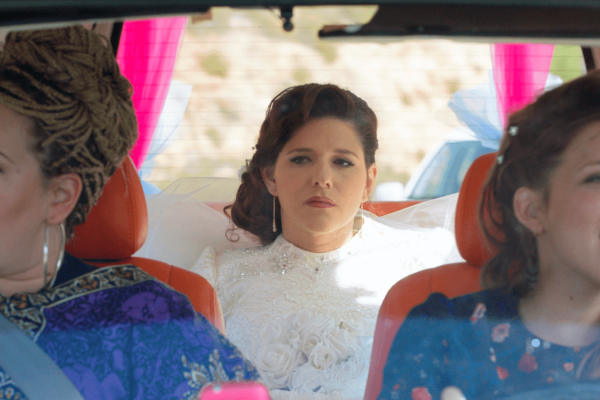
Film critic Alissa Wilkinson writes that “Christian theology is rich and ... full of imagination that's broad enough to take up residence among all kinds of human cultures. It contains within itself the idea that art exists as a good unto itself, not just a utilitarian vehicle for messages.” The Wedding Plan is a prime example of this kind of religious art. It’s a message movie, a window into a culture that makes the specific and personal universally relatable, and still manages to tell a good story.
Evangelicals, Worthen said, were trained “to see the Bible as a code book that, properly interpreted, could reveal the true meaning of current events no matter what the fancy scientists and political elites would tell you.”