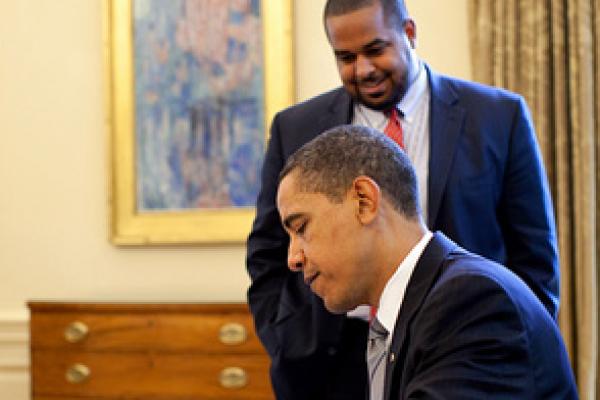
WASHINGTON — Longtime White House aide Joshua DuBois, who heads the White House office focused on the intersection of religion and public policy, will step down on Friday, President Obama announced Thursday.
Obama, speaking at the National Prayer Breakfast, asked DuBois to lead his White House Office of Faith-based and Neighborhood Partnerships in 2009 when the Pentecostal reverend was 26, and hoped DuBois could sustain the ties he had helped forge between Obama and religious groups during the 2008 presidential campaign.
DuBois will teach at New York University starting later in the year, according to White House officials, and also plans to write a book based on the inspirational messages he sent to Obama daily.

Picketing the funerals of soldiers. Protesting against female pastors. Condemning gays and lesbians to hell. You name it, the members of Westboro Baptist Church have done it.
As the June 2012 cover story of Sojourners magazine illustrates, Westboro has become “The Face of Hate.” But thanks be to God, that is not the end of the story.
In a shocking turn of events, Megan Phelps-Roper — granddaughter of Westboro Baptist founder Fred Phelps — recently left the flock along with her younger sister Grace Roper. Abandoning family, friends, and everything they have ever known, the two sisters have publicly denounced their connection with Westboro and the gospel of hate that consumed their lives for so long.
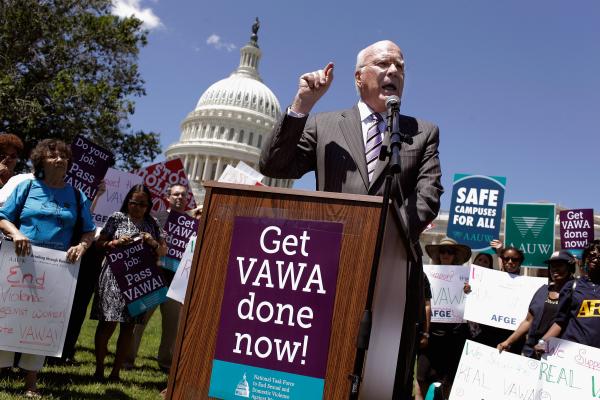
As much as we like to believe we live in a safe country for women, we know this is not the case. Women and girls across the country are subject to rape, abuse, intimidation, and sex trafficking, with the number of victims growing each day.
Progress has been made over the past decades, thanks in part to the Violence Against Women Act. This policy protects women by providing everything from funding for rape crisis centers to increased collaboration with law enforcement to hold perpetrators accountable. VAWA is our country’s promise to women and girls that we will not allow them to be violated and abused.
The Violence Against Women Act is up for a vote in the Senate next week, and Americans from every corner of the country are calling our policymakers to reauthorize this important legislation. Since it was first passed in 1994, VAWA has received strong bipartisan support and shown its effectiveness in making communities safer, healthier, and better stewards of their resources (in the first 6 years since it was introduced, VAWA saved communities $12.6 billion).
VAWA expired in 2011, and has yet to be reauthorized.

A man buys two dogs to live with him in his apartment. They drive him and his neighbors crazy. They bark at all hours, get sick all over the place and cause rifts between him and his neighbors. And yet he insists that, despite the tremendous amount of work and inconvenience they present, he loves them.
So the question is: does he do all the work and put up with the nonsense because he loves them, or does he love them because he’s invested so much of himself in them?
Researchers looked at this question, particularly with regard to the wild popularity of the DIY furniture store, Ikea. Basically, you pay them to give you some furniture in a box that you have to take home and build. Sometimes you screw it up. Sometimes it takes a lot longer than you expected. Sometimes you scrape the skin off your knuckles and call the furniture names that would make your mother blush. In the end, if most of us assessed the value of our time against the money we’re saving by buying the furniture unassembled, it’s a net loss for us.
So why do we do it?
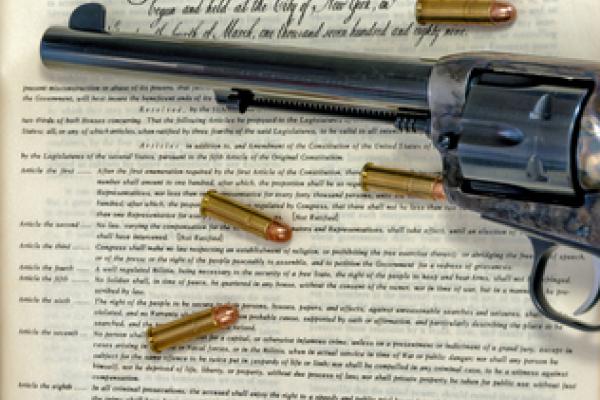
How did this gun-owner-since-he-was-eight find himself at a prayer vigil to end gun violence on the steps of the Michigan state capitol? The easy answer is that Michigan Prophetic Voices, a nonpartisan, statewide organizing clergy group invited me to be there. But I had another reason.
In my family owning a gun was explained as a rite of passage, not as a Second Amendment right. When my father handed me my first gun he said, "You are old enough now to learn how to use this safely. There is one thing you have to promise me: never point it at anyone. If you do, I will take it away for good." I made the promise.
The man who said those words had heard different words from his father. "Never steal another man's property," my grandfather had told my dad, "and if it's yours, you fight like hell to keep it."
Those words shaped events of an early August morning in the 1970s when both of those men leveled shotguns at would-be burglars in the family business and, out of fear for their own lives, fired. One of those 20-something men was killed.
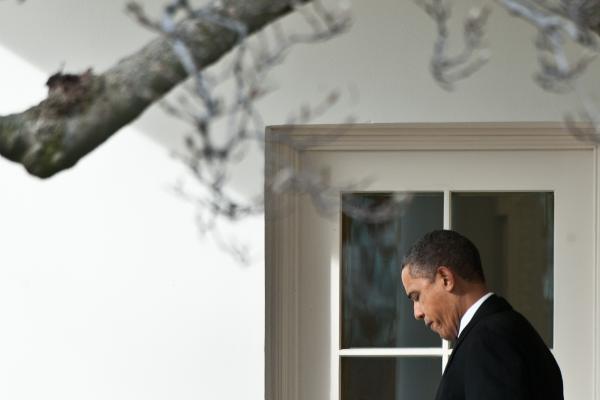
Invoking once again the spirits of Lincoln and Dr. King — and reemphasizing his own personal faith — President Barack Obama called for humility and a focus on common ground in his remarks at today’s National Prayer Breakfast at the Washington Hilton.
Citing the divisions that exist in Washington, Obama said our charge as citizens, and as leaders in government, is “to find the common ground that allows for us as a nation, as a people, to take real and meaningful action,” he said.
He reflected on the humility shown by Abraham Lincoln and Dr. Martin Luther King, Jr., who both turned to their bibles — both of which Obama used at his swearing-in ceremony last month — finding solace in the words of scripture amid the divisions of their times.
Obama recalled his own reflection and study, saying he often searches scripture to figure out “how to be a better man as well as a better president.” His words build on previous allusions to his personal faith journey. He has always insisted that doubt is part of faith, but faith comes with constant seeking.
“Faith is something that must be cultivated. Faith is not a possession. Faith is a process,” the president said, adding later that, “While God may reveal his plan to us in portions, the expanse of his plan is for God and God alone to understand.”
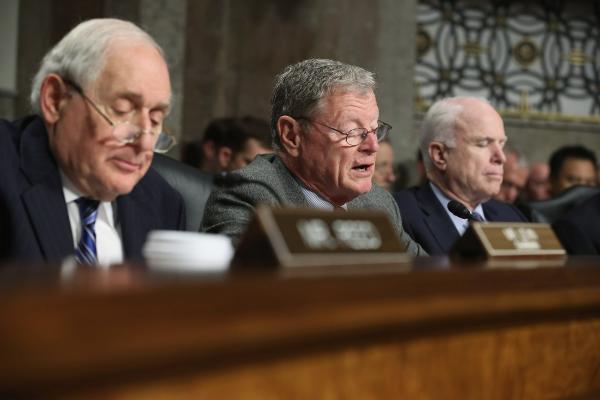
It was the biggest story inside the Beltway. Since last Thursday’s hearing, the whole Washington media machine has been discussing and dissecting the extraordinary confrontation in the Senate Armed Service Committee regarding the potential confirmation of former Sen. Chuck Hagel as the new Secretary of Defense. Several Republican senators were extremely combative with the combat veteran who earned two Purple Hearts for his wounds in Vietnam. Hagel deserves another Purple Heart for the wounds his former “friends” and party members tried to inflict upon him. Hagel didn’t really defend his views — which were both caricatured and attacked by his adversaries — perhaps on White House advice not risk further debates before being confirmed.
But I think Hagel’s views and the important questions he has raised about current U.S. wars and military policy deserve defending and, indeed, should become the subjects of a national debate. So I wrote a piece about one of Hagel’s most hostile questioners who insisted the possible new Secretary answer the simple question of whether the surge in Iraq was “right” or “wrong.” I said it was wrong, as was the war in Iraq, as was the war in Vietnam, as are the views of John McCain on war throughout his entire political career; and how the nation has been wounded by McCain’s and others’ “theology of war.”
Chuck Hagel’s views could lead us to a necessary national debate if he becomes the new leader of the Pentagon. And it is that potential debate that Hagel’s critics are so afraid to have.