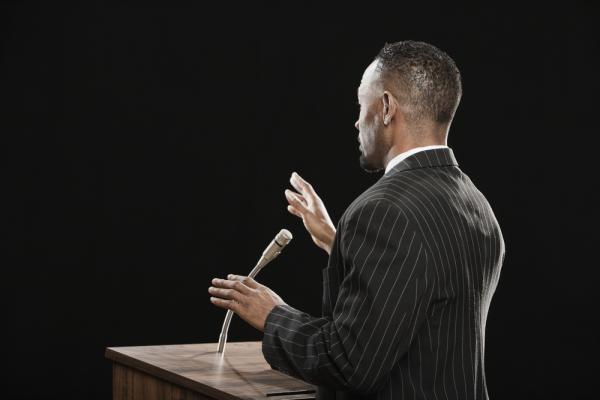
The American Church’s division in our understandings of Jesus neatly follow the fault lines of American society. We hunker in our social groups, worshiping isolated from each other, hearing from preachers who talk like us, and so we natural come to assume Jesus is like us, in talk and in thought.

President Trump will deliver an “inspiring yet direct” speech on the need to confront radical ideologies during his upcoming trip to Saudi Arabia.
The speech will come during an afternoon lunch with leaders of more than 50 countries with mostly Muslim populations, White House national security adviser H.R. McMaster announced on May 16.
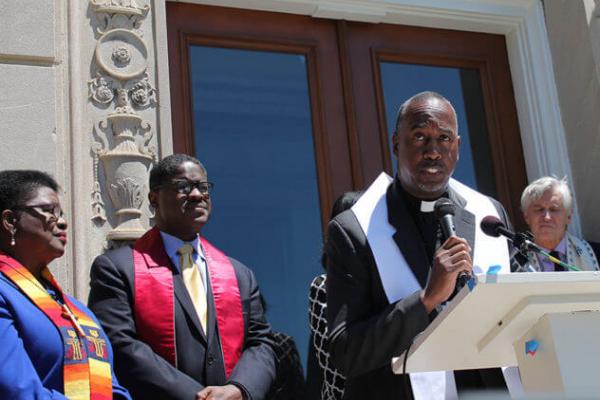
At a news conference on May 15, in front of the United Methodist Building, leaders of congregations and denominations called on fellow African Americans to speak up, and urged Congress to vote down proposed plans by the new administration that they believe help the rich and hurt the sick and the poor.

But, if the furor on social media this past month is to be believed, the abundance of faith bloggers also has created what the Rev. Tish Harrison Warren called a “crisis of authority.”
“Is literally everyone with a computer — do they equally hold authority to teach and preach?” said Warren, an Anglican priest, who wrote a commentary for Christianity Today titled "Who’s In Charge of the Christian Blogosphere?”
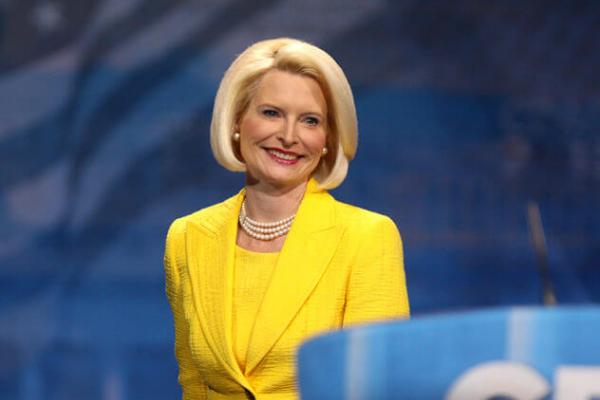
According to CNN, the decision to nominate Gingrich has already been made, but the announcement is pending approval from the Office of Government Ethics. Earlier this year, Newt Gingrich confirmed his wife was in the running for the job. The White House declined comment on May 15.

Resistance is holy work. It is an act of healing. But many clergy and faith leaders (myself included) are either traumatized themselves or so justice-fatigued that it becomes too difficult to sustain resistance.
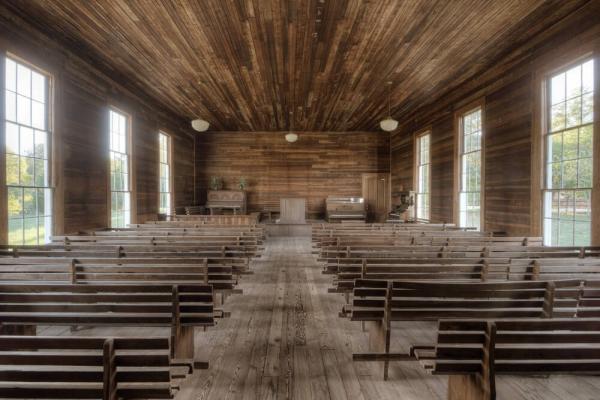
I arrived at the church and was heartened to see a full parking lot. People scurried inside with umbrellas as shields, determined to comfort Emily and her family. I’m right here for you, they seemed to be saying. Nothing's going to stop us. Where have we heard this before?

Repairing isn’t as easy as it sounds. It’s rarely as straightforward as we hope for. And sometimes it’s downright costly, or worse, impossible. If the church wants to be a part of repairing entire communities, we need to be willing to do at least three things: Gather the experts, put in the time, and give and live sacrificially.
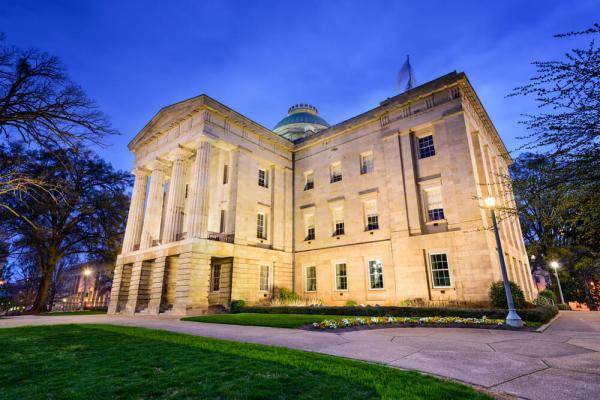
The U.S. Supreme Court has refused to hear an appeal by Republican leaders of a federal court ruling that removed ballot restrictions in North Carolina, due to the restrictions being discriminatory along the basis of race, reports Bloomberg News.

In an age when both explicit and implicit biases are becoming legitimate justifications to curse the image of God, it is time for the church in the U.S. to face itself. It is time to repair the broken fabric of our nation. It is time to interrogate the stories we tell our selves about ourselves by immersing ourselves in the stories of the other.