
Indigenous leaders and school survivors on Sunday dismissed Pope Francis' expressions of pain at the discovery of 215 children's remains at a former Catholic residential school in Canada, saying the church needed to do much more.
In his weekly blessing in St. Peter's Square on Sunday, Francis said he was pained by the news about the former school for indigenous students and called for respect for the rights and cultures of native peoples. But he stopped short of the direct apology some Canadians had demanded.
More than usual this past week, I've needed small reminders about the possibility of justice. Why? Well, this week is the week of the 100th anniversary of the Tulsa Race Massacre.
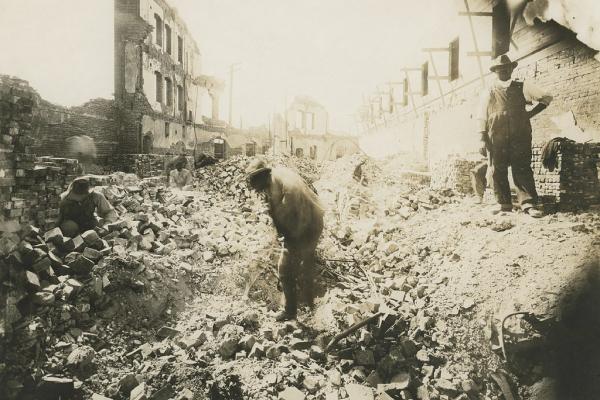
This week, we marked the 100th anniversary of one of the most horrific moments in American history: On May 31, 1921, white mobs burned to the ground the Greenwood District in Tulsa, Okla., an area commonly known as Black Wall Street. White neighbors killed Black residents in what became known as the 1921 Tulsa Race Massacre. That story — and many other accounts of Black success and self-determination confronted by malice, terrorism, and destruction — are hidden in the corners of history’s closet by a dominant culture that prefers silence over truth-telling.
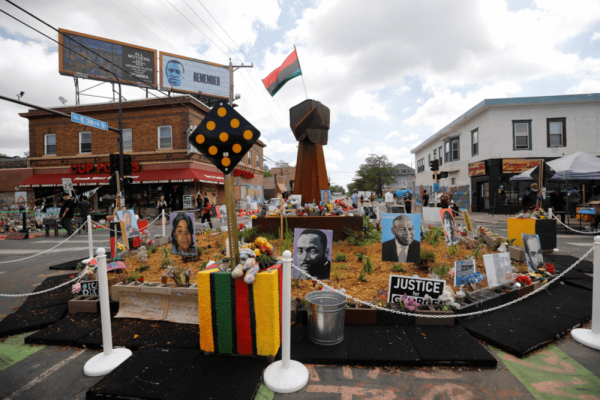
“This solidarity has the potential and the power to propel us into a new future as a community,” Rev. Ingrid Rasmussen, pastor at Holy Trinity Lutheran Church in Minneapolis, told Sojourners.
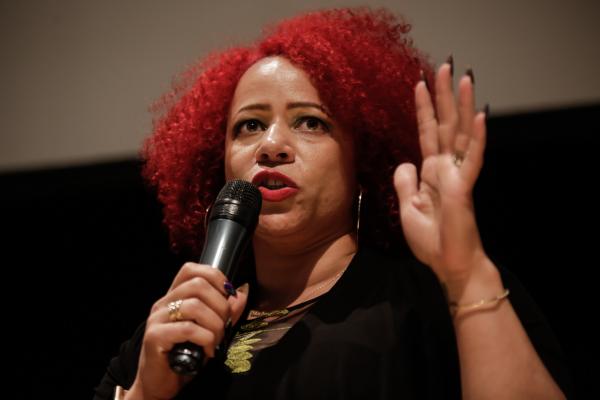
For the board of trustees at UNC-Chapel Hill, Hannah-Jones is a living memorial, a journalist who will tell us what happened, who holds up memory and urges us not to look away.

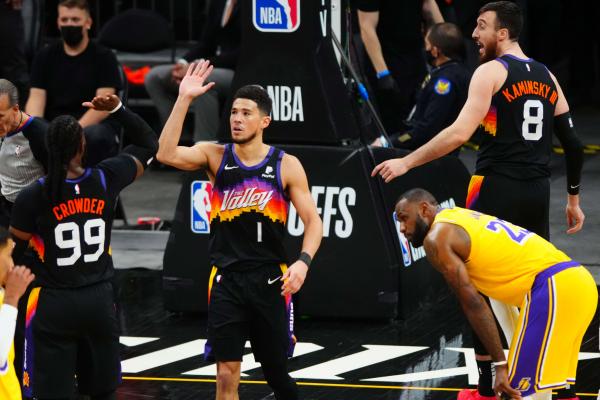
I am no stranger to the ways that sports is often derided in faith and justice circles. But I contend that sports and competition offer valuable insights into what it means to be human.
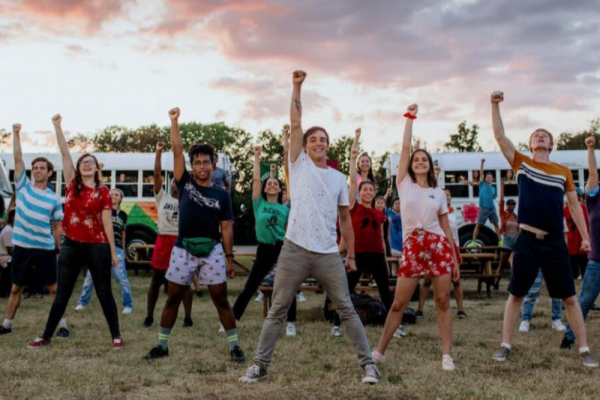
Despite all the outsized power and privilege white evangelical communities hold, there is a dearth of spaces where people can process what it means to have grown up in the belly of it. Fortunately, there’s a whole slew of new films and documentaries that focus on white evangelical youth culture, offering some of us the chance to reflect on our upbringings as we figure out what it means to have white evangelical roots in a post-Trump world.
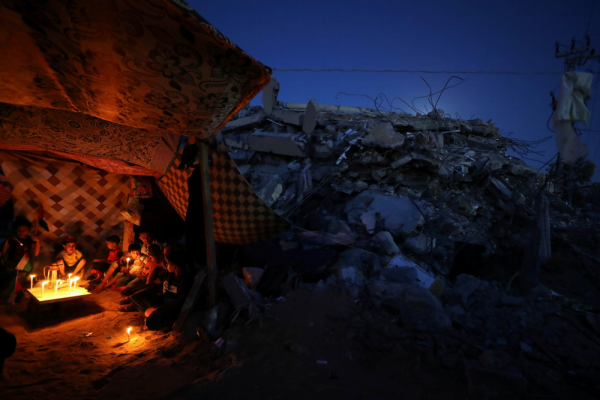
My professors in journalism school taught me to avoid passive voice as often as possible. They taught me that passive voice gets in the way of giving readers a clear view of who did what. Passive voice may be innocuously overlooked in many instances (for example, in this sentence, I didn’t tell you who was doing the overlooking), but more often using it risks confusion and obscurity — and these aren’t exactly journalistic values.
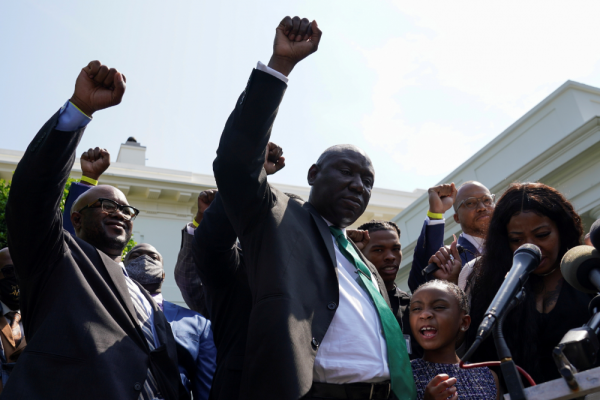
On the eve of the one-year anniversary of George Floyd's death, Sojourners' Terrance M. McKinley spoke with Benjamin Crump, a national civil rights leader who has served as the lead attorney for the families of Floyd, Ahmaud Arbery, Breonna Taylor, Trayvon Martin, and other Black people wrongfully killed by police or vigilantes. They discussed the road ahead and whether proposed policy change at the federal level could lead to needed change in policing. —The editors
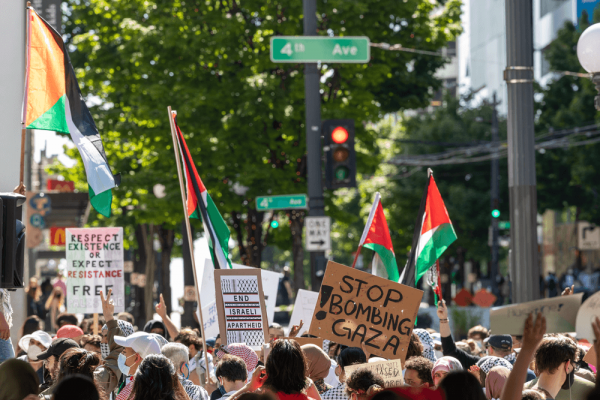
“As Black American activists are being increasingly heard and amplified, so is this message about linking national contexts and the importance of recognizing the global scope of anti-racism activism beyond national boundaries,” Roger Baumann said.