An interview with Muslim leader Daisy Khan.
Cover Story
Jim Wallis, Marian Wright Edelman, Elizabeth Edwards 1-01-2009

Memos to the new president from political, cultural, and religious leaders.



Jim Rice, Jeannie Choi 11-01-2008
Joshua Hopping of Sweet, Idaho, helped put George W. Bush in the White House, and four years later helped keep him there. As an evangelical Christian, Hopping was part of the so-called “values voters” bloc that some pundits credit with Bush’s electoral success. But this year, Hopping isn’t a lock to support the Republican ticket. He says he’s open to consider which candidate best embodies his Christian values—and that very openness represents what could be one of the most significant shifts in this election season, because evangelicals, especially those under 30, are no longer a safe bet to vote for the furthest-right option on the ballot.
Why the loosening of party attachment? The questions that matter most to Hopping, 28, aren’t as narrowly defined as they used to be. He says he’ll be paying close attention to what the candidates are saying about the issues most important to him, which now include not only abortion and same-sex marriage but also the environment, poverty, and immigration—“and that’s not even counting the war in Iraq, health care, social security, and all those other things that are important,” Hopping told Sojourners. Looking at the records of the two parties on those issues, Hopping says, gave him pause about the unquestioned convictions he held in the past. “I said, ‘wait a minute,’ I want to take another look and see who’s out there, who actually cares about life beyond the womb.” Hopping says this line of thinking feels outside of his conservative comfort zone, but he cannot ignore his new convictions, particularly about the environment.
“Eight years ago, I began working in the environmental field, and it really hit me that God tells us to take care of the environment. The more I read the Bible, I see that the environment affects the poor, the young, and the old—the same people God said to go reach,” he says.
Elizabeth Edwards 8-01-2008
When it comes to our health-care crisis, some argue for market-based solutions, saying that "consumer-directed care" will give us more freedom to choose the plan that's right for us. But what they really mean is "you're on your own."
Elizabeth Palmberg 7-01-2008

The dramatic rise in world food prices has pushed millions into poverty. Here's a look at 10 factors--from agrofuel production to rising meat and dairy consumption--that have contributed to this preventable crisis.

Frances Moore Lappe 7-01-2008

Progress on food security issues will only come when we begin to ask the right question and challenge the myths that trap us.
Frances Moore Lappe 7-01-2008

Some of the steps toward creating sane food policies and a living democracy will include:

Amy Green 6-01-2008
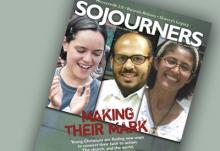
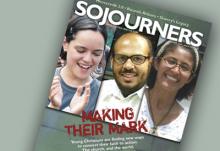
Young Christians -- mainline and evangelical, Catholic and Protestant -- are seeking new ways to connect their faith to action ... and in doing so [drum roll] change the world.
Various Authors 6-01-2008
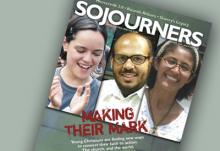
We asked 10 next-gen leaders to tell us about their hopes, challenges, passions -- and favorite ways of getting their hands dirty.

Socially responsible investing has morphed into a $2 trillion mainstream industry.
Aaron McCarroll Gallegos 4-01-2008
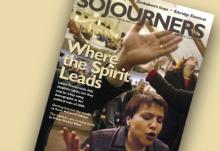
Pentecostals may be the least known and most unpredictable group on the landscape.