
If one of our greatest social sins is the lack of access to mental health care, it is a moral imperative begin a discourse around mental health in our faith communities.

In 2010, a terrible earthquake struck Haiti that caused the deaths of over 100,000 people and destroyed much of the country’s infrastructure. The U.S. granted TPS to 58,000 Haitians to live in safety and rebuild their lives, work, and support family members still in Haiti.

As the country and world saw last night, without any warning or usual procedures, President Donald Trump fired FBI Director James Comey. The only reason given for Comey’s firing was his treatment of Hillary Clinton’s e-mail case — which is laughable, given Trump’s own past statements and myriad contradictions on these matters, even if one agrees that Comey’s behavior and double standards in regard to that case were unprecedented and indefensible.

President Donald Trump's firing of FBI Director James Comey followed a turbulent year for Comey in which he became embroiled in controversy over his handling of investigations involving both Trump and former Democratic presidential candidate Hillary Clinton. Here is a timeline of the events that preceded Comey's firing and Trump's reaction to them.

Midway into an FBI investigation into whether members of the Trump campaign colluded with Russia to influence the 2016 election, President Trump has fired FBI director James Comey.

As of May 5, according to the Boston Globe, 134 lawsuits have been brought against President Trump in federal court since his inauguration. This contrasts greatly with the number of lawsuits his three most recent predecessors faced at this point in their presidency: Obama met with 26 suits, Bush met with seven, and Clinton met with 15.
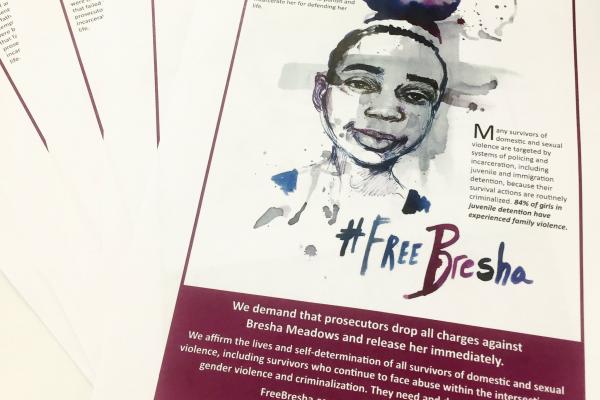
In the early hours of July 28, 2016, Bresha shot her father with his gun while he slept on the couch. Relatives say this action put an end to years of abuse, accounts that are corroborated with police and child services accounts. In 2011, Brandi Meadows, Bresha’s mother, filled a police report accusing her husband of constant emotional, financial, and physical abuse during 17 years of marriage. She told Fox News, “[Bresha is] my hero. She helped me — she helped all of us so we could have a better life.” According to her lawyer, Ian Friedman, Bresha’s brother and sister — witnesses to the shooting — will testify that Bresha acted in self-defense.
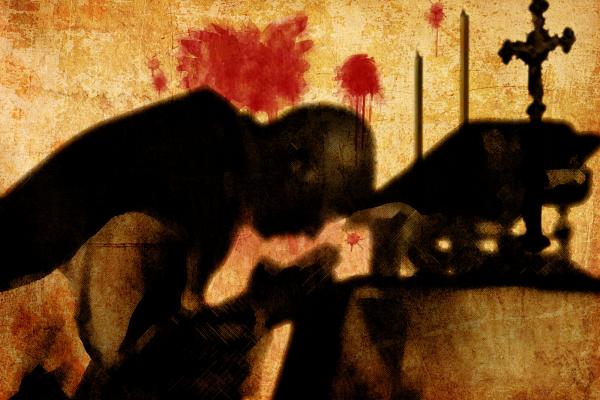
Lately, we’ve heard a lot about threats to religious freedom in the U.S. We don’t have to look very far to see the consequences of this truth: Attacks on mosques and temples have been consistently rising, and many fear for their physical safety due to their expressions of faith. Yet in November 2016, many Christians reported voting according to fears that their religious freedoms were in danger. On Thursday, the president signed an executive order purportedly to expand “religious liberty,” aimed at protecting Christian freedoms and extending their churches’ political power — which begs the question: Are Christians in the U.S. being religiously persecuted? It depends on who you ask. No really.
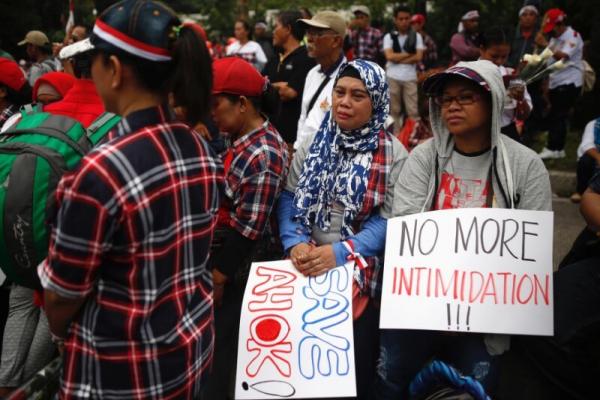
Jakarta's Christian governor has been sentenced to two years in jail for blasphemy, a harsher-than-expected ruling critics fear will embolden hardline Islamist forces to challenge secularism in Indonesia, the world's largest Muslim-majority nation. The April 9 guilty verdict for Basuki Tjahaja Purnama comes amid concern about the growing influence of Islamist groups, who organized mass rallies during a tumultuous election campaign that ended with Purnama losing his bid for another term as governor.
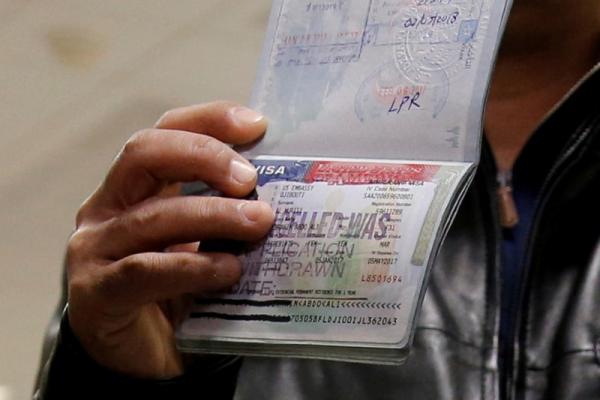
Federal appeals court judges on Monday peppered a U.S. Justice Department lawyer with tough questions about President Donald Trump's temporary ban on travelers from six Muslim-majority nations, with several voicing skepticism that protecting national security was the aim of the policy, not religious bias. Six Democratic appointees on a court dominated by judges named by Democratic presidents showed concerns about reviving the Republican president's March executive order that prohibited new visas to enter the United States for citizens of Iran, Libya, Somalia, Sudan, Syria, and Yemen for three months.