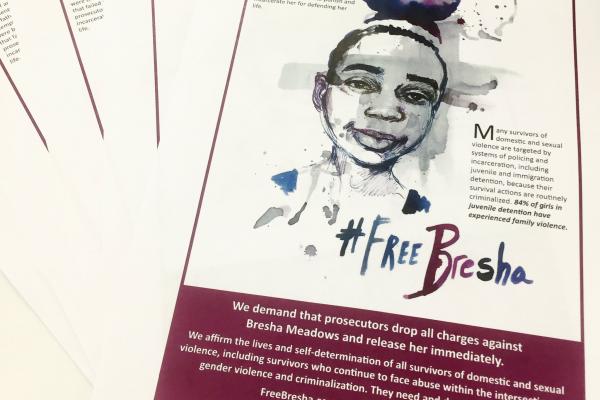
In the early hours of July 28, 2016, Bresha shot her father with his gun while he slept on the couch. Relatives say this action put an end to years of abuse, accounts that are corroborated with police and child services accounts. In 2011, Brandi Meadows, Bresha’s mother, filled a police report accusing her husband of constant emotional, financial, and physical abuse during 17 years of marriage. She told Fox News, “[Bresha is] my hero. She helped me — she helped all of us so we could have a better life.” According to her lawyer, Ian Friedman, Bresha’s brother and sister — witnesses to the shooting — will testify that Bresha acted in self-defense.
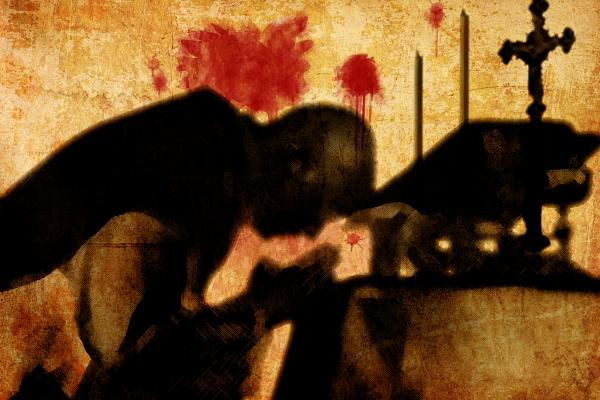
Lately, we’ve heard a lot about threats to religious freedom in the U.S. We don’t have to look very far to see the consequences of this truth: Attacks on mosques and temples have been consistently rising, and many fear for their physical safety due to their expressions of faith. Yet in November 2016, many Christians reported voting according to fears that their religious freedoms were in danger. On Thursday, the president signed an executive order purportedly to expand “religious liberty,” aimed at protecting Christian freedoms and extending their churches’ political power — which begs the question: Are Christians in the U.S. being religiously persecuted? It depends on who you ask. No really.
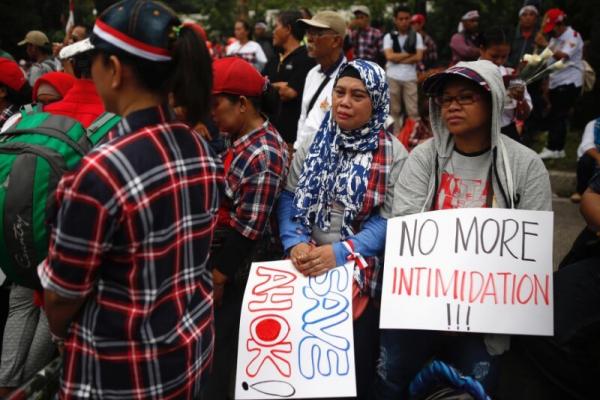
Jakarta's Christian governor has been sentenced to two years in jail for blasphemy, a harsher-than-expected ruling critics fear will embolden hardline Islamist forces to challenge secularism in Indonesia, the world's largest Muslim-majority nation. The April 9 guilty verdict for Basuki Tjahaja Purnama comes amid concern about the growing influence of Islamist groups, who organized mass rallies during a tumultuous election campaign that ended with Purnama losing his bid for another term as governor.
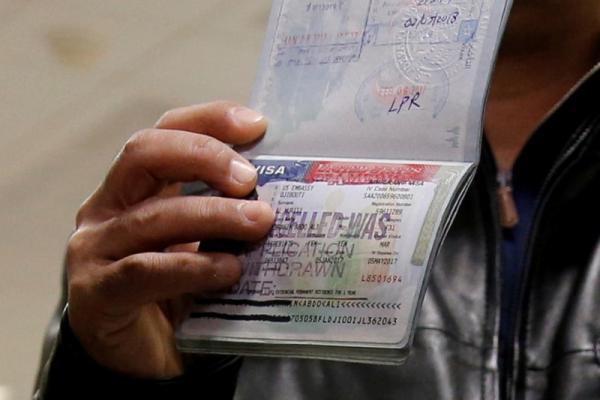
Federal appeals court judges on Monday peppered a U.S. Justice Department lawyer with tough questions about President Donald Trump's temporary ban on travelers from six Muslim-majority nations, with several voicing skepticism that protecting national security was the aim of the policy, not religious bias. Six Democratic appointees on a court dominated by judges named by Democratic presidents showed concerns about reviving the Republican president's March executive order that prohibited new visas to enter the United States for citizens of Iran, Libya, Somalia, Sudan, Syria, and Yemen for three months.
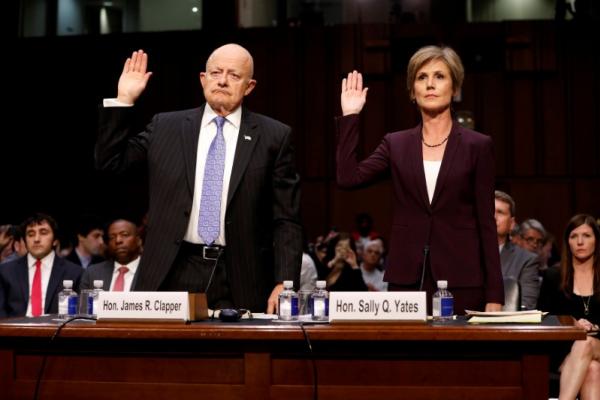
Former Acting U.S. Attorney General Sally Yates said on Monday she warned the White House in January that then-national security adviser Michael Flynn had been compromised and could have been vulnerable to blackmail by Russia. Yates testified at a Senate Judiciary subcommittee hearing that focused primarily on Flynn, and did not shed much light on other aspects of investigations of allegations that Russia meddled in the 2016 U.S. election and whether there was collusion between President Donald Trump's campaign and Moscow.

Pollution, poverty, and war take their toll on our health in ways beyond our control, and yet health care in our nation is still treated as a commodity for those who can afford it, rather than as a right for all. It is unthinkable that our nation can build pipelines that poison clean drinking water but expect citizens to suffer without affordable treatment due to lead exposure. It is unacceptable that some communities are trapped in cycles of poverty through discrimination often born of racism but cannot afford the medicine they need because their money must go to cheap, often less-nutritious food. And while it is unconscionable that our nation spends more on destroying lives abroad than it does on saving lives at home, the damage from war exceeds mere monetary cost. Investing in fighting an enemy abroad fuels enmity and distrust at home, putting undo stress on us and eroding our sense of compassion.
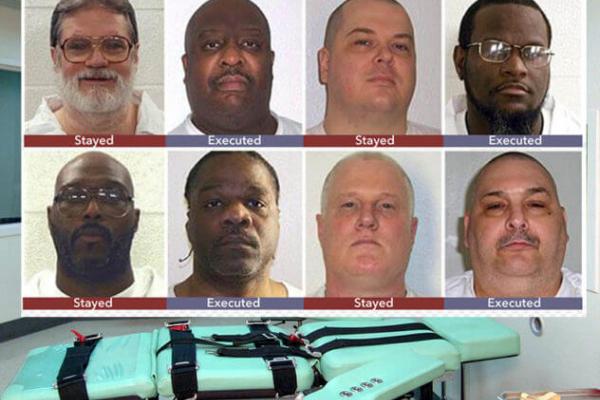
You might think these men were sentenced to death and slated for execution simply because of the gravity of their crimes. You’d be wrong.
There is something beyond the terrible crimes that determined their fates even more so: poverty. The death penalty preys on poor and vulnerable populations.

The American Christian church once again finds itself at odds with itself, especially in the aftermath of the election of Donald Trump. On all sides, there are a lot of questions. To understand where we are, we must look at where we’ve been ...

In Guardians of the Galaxy Vol. 2, out this weekend, Peter Quill (Chris Pratt), Gamora (Zoe Saldana), Drax (Dave Bautista), Rocket, (Bradley Cooper) and Groot, (Vin Diesel) are still learning lessons in openness and humility. But oddly, the film they’re in needs help maintaining emotional honesty, too. Where the first movie kept a fine balance of pathos and jokes, the second Guardians film is almost caustically cynical. The film is so preoccupied with witty banter that it misses nearly every opportunity to plumb the depths of the themes it presents, until finally pulling it together at the very end.
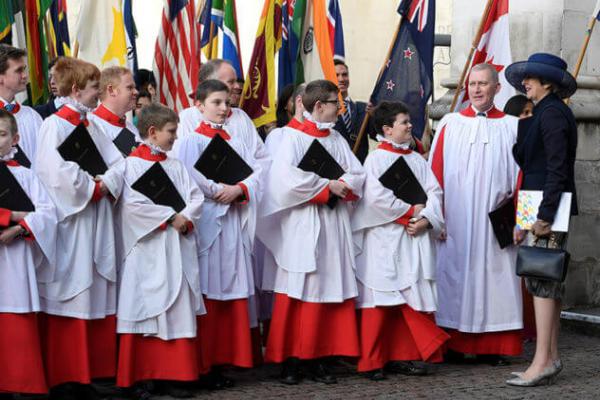
May grew up in southeast England, the daughter of a Church of England vicar at a time when much of the nation was, by default, Anglican. In the 1950s and ’60s, the majority of people were married, baptized, and had their funerals in the Church of England, the established church. It was also a time when, despite the nation’s Christianity, few spoke about their faith, or about that of politicians.