
I was never concerned that there could be consequences for crossing a main road that separated our immediate neighborhood from the adjacent one, or that the Confederate flags I passed along my route might be intended as a “no trespassing” sign for people who looked like me. I wasn’t Ahmaud. Scores of childhood friends donned camo and lugged military-style toy rifles from yard to yard as we replayed World War II battles. No one worried a police officer, or a neighborhood vigilante, patrolling our streets would mistake us for a real threat. We weren’t Tamir Rice or Trayvon Martin.
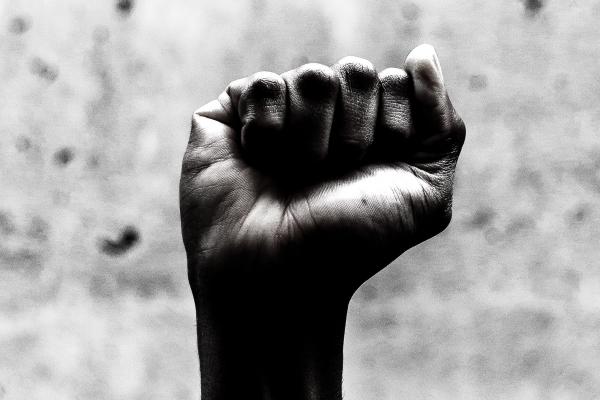
I can remember when it first happened — when my dungeon shook and my chains fell off. I had recently gone through a horrible experience and felt there was nowhere to turn, no one who could give voice to my ache, my pain, and my rage.

Yet history repeats itself – leaders are sacrificing lives to ensure an "uninterrupted food supply." These meat and poultry plants, just like cotton fields once were, have been deemed "critical infrastructure" to the nation's economy.

O God, we grieve the struggle of those who died alone —
so far from friends and neighbors, from all they’d ever known.
We grieve for precious people who could not say good-bye;
we weep for those, now mourning, who sit alone and cry.
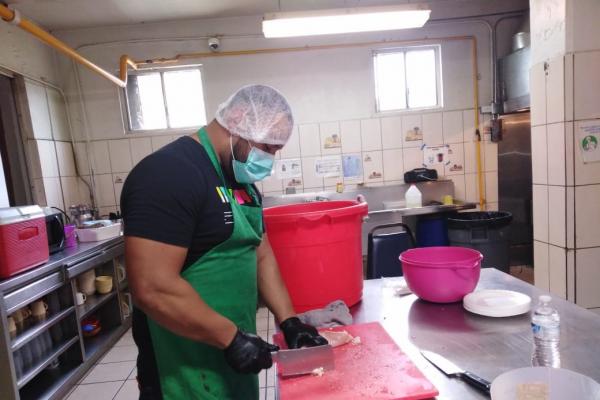
“The big, big risk in Tijuana is that somebody comes, and if they're sick, where do I send them? There is no option,” he said. “The general hospital won't take them unless they're a certain level of sick, they have to be severely sick, so there is no structure here.”
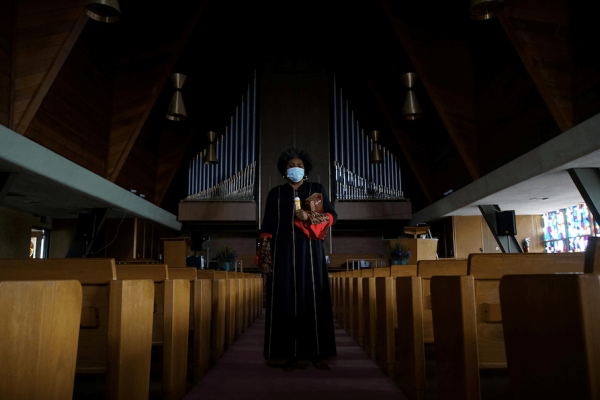
When Traci Blackmon, the senior pastor for a predominantly black church in the suburbs of St. Louis, Mo., is finally able to open the doors for service again, one of her main concerns is the collective sorrow her congregation will experience.
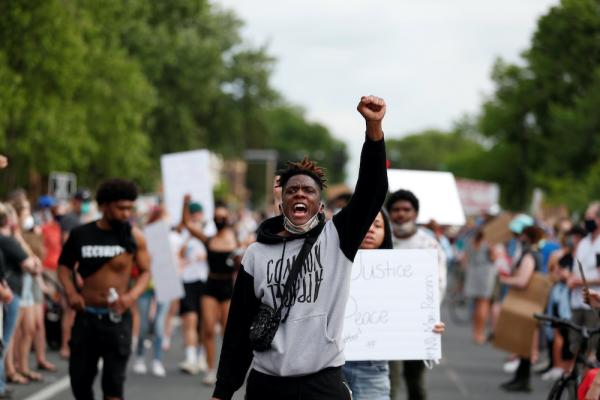
Remember, Lord, what happened to Ahmaud Arbery, Breonna Taylor, and George Floyd;
look and see the disgraceful way their bodies were treated.
Our inheritance of the image of God in every human being
has been co-opted and denied by others.
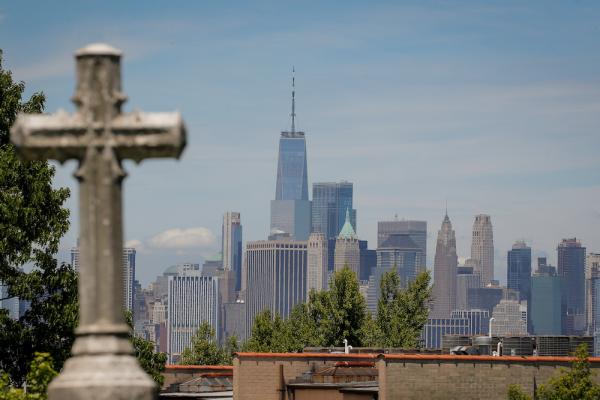
The need for lament could not be more urgent. The painful reality of the loss of more than 100,000 American lives requires the response of lament. However, a genuine corporate lament seems to have eluded many Americans, even those in the church. Lament is a biblical practice that has been long-neglected in the American church.
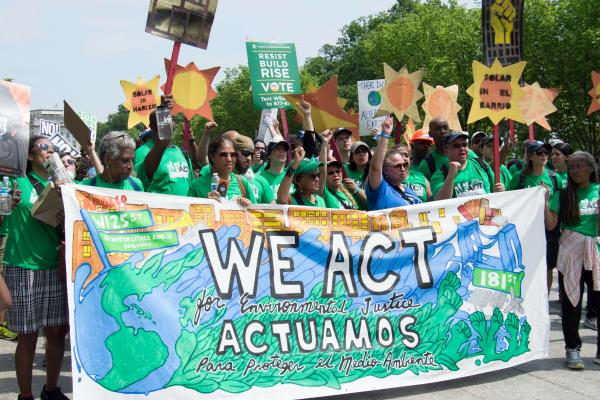
“The communities that suffer environmental injustices that affect their underlying illnesses have higher rates of pulmonary diseases, which render them more at risk of dying from COVID-19,” said Rep. Raul Ruiz, D-Calif., who authored legislation upon which the provision is based. Ruiz said the environmental justice grant programs need to be codified because “you never know” which administration will neglect or defund the programs.

Lament, much like our understanding of salvation, ties my suffering with those around me. Christian traditions too distant from experiences of collective marginalization will have trouble penning laments about deliverance from shared sorrow. We need practices of solidarity that reveal those who are unseen in our world starting with the cries in our worship, followed by the witness in our deeds. Yet laments that do not incorporate the collective experience fail to produce practices that could help us survive in spaces of vulnerability and communal loss.