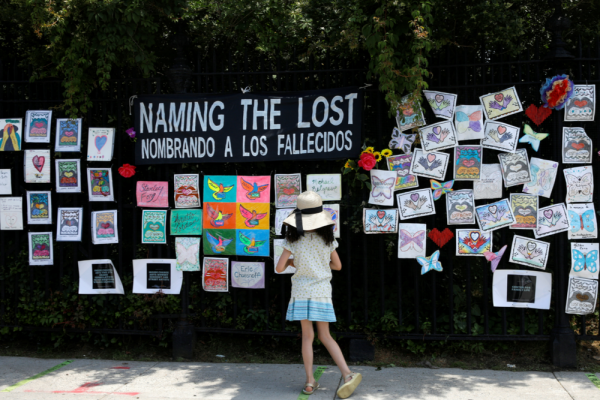
According to a new report, 1.5 million children lost at least one primary caregiver to COVID-19 by the end of April 2021.
Children: The Hidden Pandemic 2021 — a joint report by the Centers for Disease Control and Prevention, the United States Agency for International Development, and World Without Orphans, in conjunction with other global child welfare experts — stated that, without immediate action, “the COVID-19 pandemic is destined to leave millions more children orphaned.”
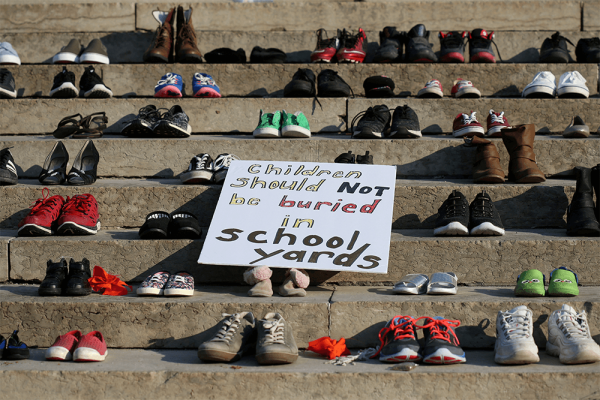
Indigenous people knew the graves were there. Canada’s investigation, the Truth and Reconciliation Commission, which ended in 2015, contained a large section on unmarked graves. Survivors in Canada and the United States talked about these mass graves, but people didn’t hear them, so when the graves were uncovered, people were shaken. But that level of emotional intensity is hard to maintain. The emotions the news elicits are painful — so after the speeches and the promises, equilibrium is restored and things go back to normal. To business as usual.
My doctor's reaction to my disorder was rare. When he noticed that my prescriptions were running out faster than they should, he did not shame, blame, or accuse me of any grave moral failing. With kindness and compassion, he noted that I had developed an addiction and immediately assured me that I had done nothing wrong.
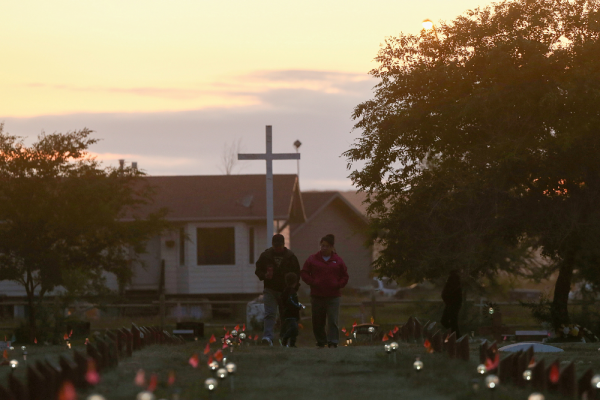
For Indigenous communities, the existence of these schools and the abuse, neglect, and murder committed within them are not new; Indigenous communities have been aware of — and harmed by — boarding schools, many of them run by Christian groups, for generations. And though Indigenous people have ideas about how Christian communities can atone for their involvement in the schools, many are not sure Christians are willing to listen.
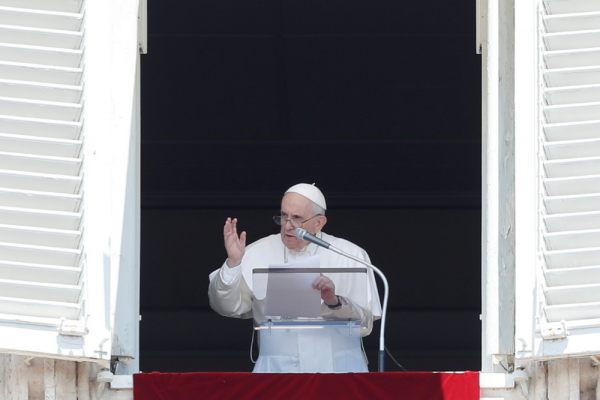
“Let us put a halt to the frantic running around dictated by our agendas. Let us learn how to take a break, to turn off the mobile phone,” Pope Francis said in his weekly address from a window overlooking St. Peter’s Square.
I think we usually ask these questions in a penitential key: “Where was God during this tragedy?” Being a human is difficult — so difficult that it is not only hard to imagine someone created us, but also that there exists anything outside of the mess we’ve created. We often collapse in on each other — whether by accident or on purpose.
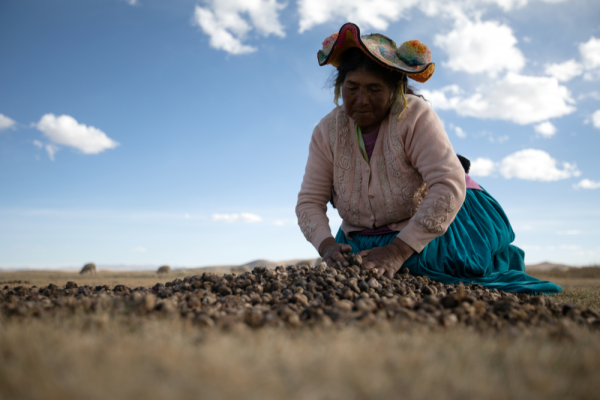
Modernity claims humans are the only citizens — the owners and rulers of nature – thus fracturing our relationship with nature and with one another as we compete to amass or inherit resources. This voracious system is built to protect those with wealth and their resources rather than to protect human and natural life. The deadly consequences of this paradigm are evident: Last month, the United States experienced the hottest June on record since we began keeping track 127 years ago.
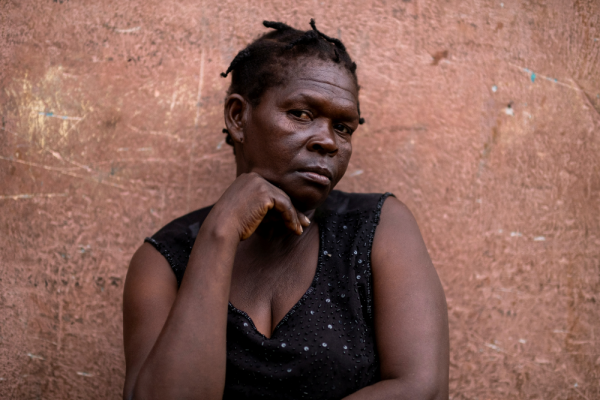
As we continue to seek the truth behind the assassination, the real fear among Haitians is over what might happen next. Especially because we have seen how Western powers repeatedly use periods of Haiti’s “destabilization” as a pretext for exploiting the nation’s resources and people.
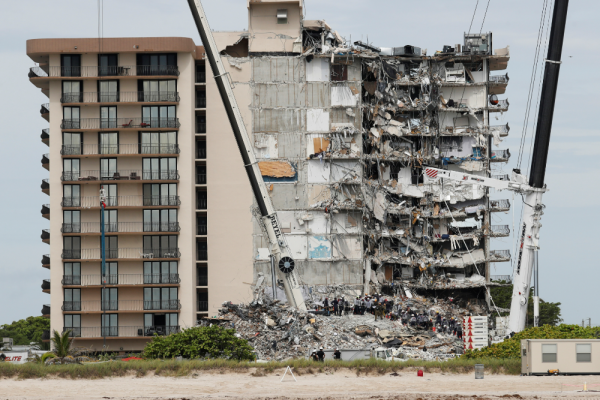
If we want to understand this tragedy, we must see more clearly the failure of these physical and social structures that we have built and continue to build. For too long, the Christian imagination has divorced our identities and social worlds from geography, as if we exist in the abstract, apart from the land and the built environment we inhabit. But what if who we are — and especially who we are together — is completely dependent on the everyday spaces we inhabit, like high-rise condos and retirement communities?