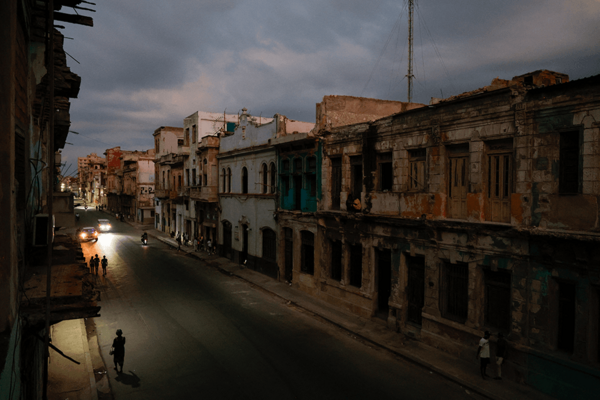
As Cuba continues to face severe blackouts, economic crisis, and political pressure, Christians on the island and their allies in the U.S. are working to save lives and advocate for Cuban freedom.
In recent months, the nation of Cuba has been experiencing blackouts so severe that journalists at the New York Times have mapped the effects in satellite photos taken from space. The island’s economy, which had been in crisis for several years, has all but come to a standstill since January’s U.S.-led capture of Venezuela’s President Nicolás Maduro, a key ally of the island’s government. Later that month, the Trump administration also renewed and hardened a longstanding comprehensive embargo on the island, citing “actions of the Government of Cuba directly threaten the safety, national security, and foreign policy of the United States.”
More so than ever, U.S. pressure on the island has made daily life difficult. Jorge González Núñez, president of the Movimiento Estudiantil Cristiano de Cuba, spoke to Sojourners in voice messages over the course of three days, originally in Spanish.
“We’ve had only two hours of electricity each day for a week, or more,” González Núñez said.
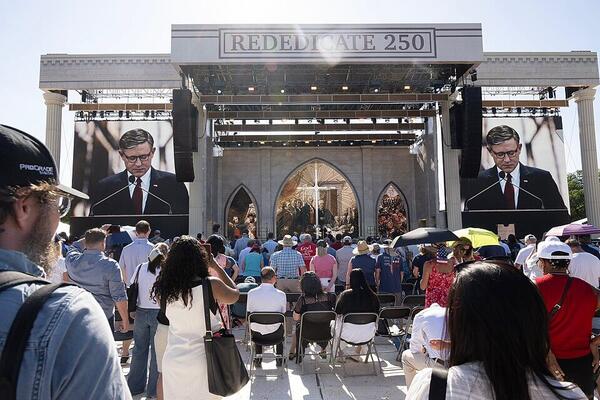
Amid celebrations of America’s 250th anniversary, assertions of the country’s religious, and specifically Christian, character have grown louder in political discourse.
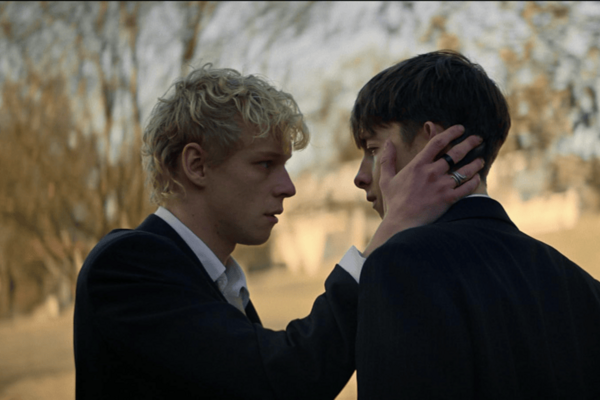
In 2026's Leviticus, a boy called Naim becomes convinced by religious believers that it is good to be alone. It’s not an unreasonable conviction; indeed, Naim believes being alone may be the only way to truly avoid the demonic entity that has plagued him since a forced attempt at conversion therapy by his church.
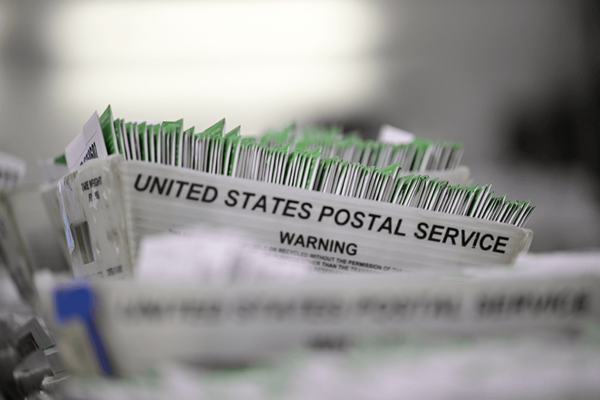
The Supreme Court backed on Monday state laws that allow mail-in ballots received after Election Day to be counted, rejecting a Republican-led challenge to a five-day grace period in Mississippi and dealing a setback to President Donald Trump.
The justices in a 5-4 ruling overturned a lower court’s decision that had deemed Mississippi’s law inconsistent with U.S. statutes that set the timing of federal elections—for the presidency, Senate, and House of Representatives. Trump last year vowed to end the use of mail-in ballots nationwide before this November’s congressional elections, when his fellow Republicans are seeking to retain control of Congress.
The court has a 6-3 conservative majority. Conservative Chief Justice John Roberts and fellow conservative Justice Amy Coney Barrett joined the court’s three liberals in the majority. Barrett wrote the opinion.
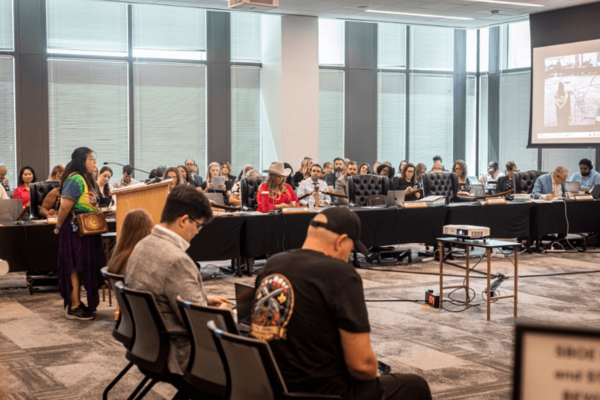
Texas elementary and middle school students will likely see redesigned social studies and reading lessons that minimize racial, geographic, and cultural diversity while emphasizing the Bible — but changes for high schoolers have suddenly hit a pause.
The Republican-led State Board of Education decided Thursday evening to allow final votes on a rewrite of Texas’ K-8 social studies lessons and a mandatory reading list for all public schools that includes Christian stories. Those votes are expected Friday.
However, the board delayed proposed changes to high school U.S. history, world history, geography and government.
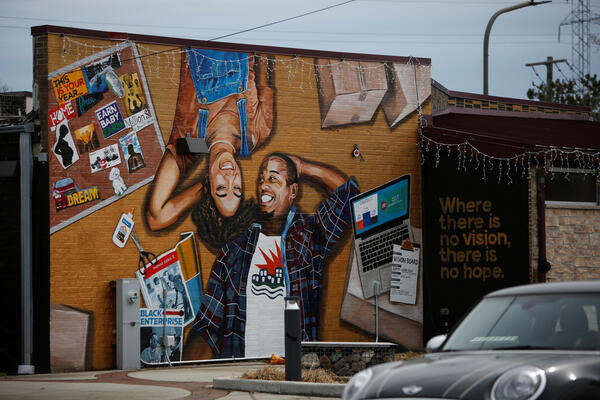
As the United States approaches the 250th anniversary of the Declaration of Independence, the Justice Department’s Civil Rights Division announced a lawsuit against the city of Evanston’s first-in-the-nation municipal reparations program. The DOJ claims that Evanston’s reparations program is “race discrimination, pure and simple.”
Such an act taps into the country’s heritage of discriminating against African Americans. There are surely more constructive ways to mark the nation’s semiquincentennial, but in President Donald Trump’s America, our nation’s abysmal history of discrimination is not a point of embarrassment but a point of pride. The lawsuit is part of a broader effort to roll back protections for Black Americans.
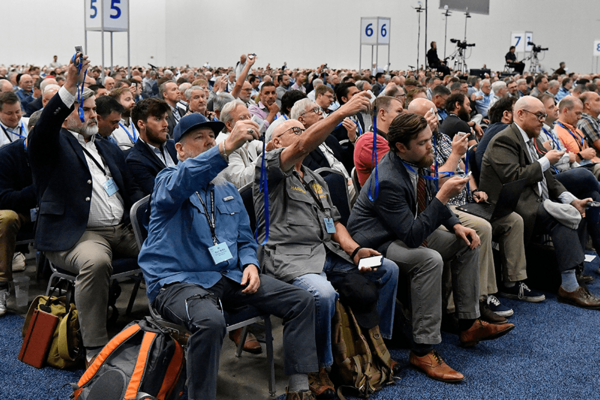
Political theorist Stephen Wolfe, along with ministers Zachary Garris and Sean McGowan, all believe the government has a role to “promote true religion.”
Wolfe is a self-avowed Christian nationalist. However, Garris and McGowan don’t use that title.
The three men teamed up to write a book that presents an alternative view on religious liberty for peers within the Presbyterian Church in America (PCA), which just advanced a report denouncing Christian nationalism.
“Many American Christians assume a secular form of government,” Garris, a New Mexico pastor in the PCA, said in an interview. “And our book challenges that. It’s rather simple.”
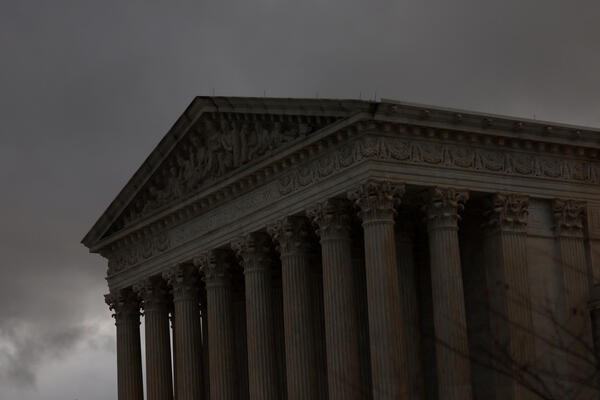
The U.S. Supreme Court cleared the way on Thursday for President Donald Trump's administration to strip hundreds of thousands of Haitian and Syrian immigrants of a humanitarian status that protects them from deportation, giving another boost to his hardline approach toward immigration.
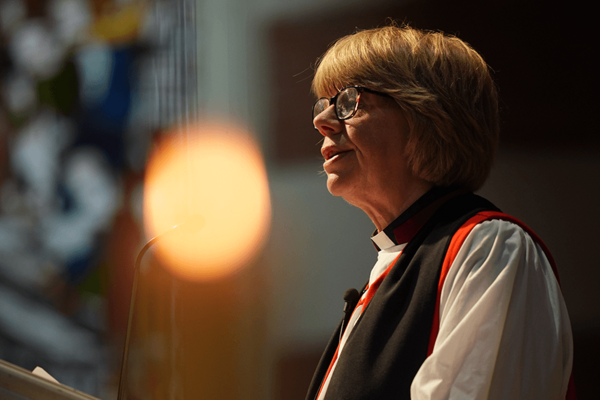
Sarah Mullally, the Archbishop of Canterbury, apologized for the Church of England’s coercive adoption practices and treatment of pregnant mothers during the post-World War II period through 1976.
“We are profoundly sorry for the pain, trauma and stigma experienced—and still carried—by many people because of historical adoption practices in homes linked to the Church of England,” said Mullally in a video released online on June 18.
In its own report, the church acknowledged that leadership knew pastoral guidance to keep mothers and babies together was disregarded in some cases and muddled with other language in church records, including “dehumanising and dismissive attitudes, falling short of what would be expected towards anyone in the church’s care, not least people who were rendered especially vulnerable by their circumstances.”
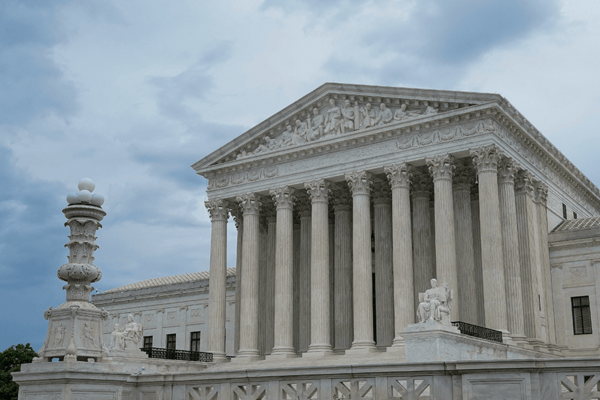
The Supreme Court refused on Tuesday to let a Rastafarian man sue state prison officials in Louisiana after guards held him down and shaved him bald in violation of his religious beliefs in a case brought under a federal law protecting incarcerated people from religious discrimination.
The court in a 6-3 ruling powered by its conservative justices upheld a lower court’s decision to dismiss Damon Landor’s lawsuit because it found the statute at issue did not permit him to sue the individual prison officials and guards for monetary damages. Landor’s religion requires him to let his hair grow.
The court’s three liberal justices dissented from the ruling, which was authored by conservative Justice Neil Gorsuch.