![Photo courtesy U.S. Department of State [Public domain], via Wikimedia Commons](https://sojo.net/files/styles/large_rectangle_crop/public/blog/512px-U.S._Secretary_of_State_John_Kerry_shakes_hands_with_Raymond_Kelly_Commissioner_of_the_New_York_City_Police_Department_NYPD-427x284.jpg "U.S. Secretary of State John Kerry shakes hands with Raymond Kelly. Photo courtesy U.S. Department of State, via Wikimedia")
Muslim-American groups are mounting a growing campaign to quash the potential nomination of New York City Police Commissioner Raymond Kelly as the next secretary of the Department of Homeland Security.
Muslims say that as head of the nation’s biggest police force, the commissioner oversaw a spying program that targeted Muslims based solely on their religion, showed poor judgment by participating in a virulently anti-Islamic film, and approved a report on terrorism that equated innocuous behavior such as quitting smoking with signs of radicalization.
Homeland Security chief Janet Napolitano announced she is resigning in September to become president of the University of California system.
“Mr. Kelly might be very happy where he is, but if he’s not, I’d want to know about it, because obviously he’d be very well qualified for the job,” President Barack Obama said in a July 16 interview with Univision.
Muslims are particularly indignant because Obama said on numerous occasions that he would work to end profiling.
Our church is right in the heart of the city and as such, many who make their home outside find their way into our worship services on Sunday and throughout the week for various reasons. The first year Amy and I were here, we made a concerted effort to allow people to sleep on the steps and in the courtyard of the church if they so chose, as it seemed to be the bare minimum offering of hospitality required of us.
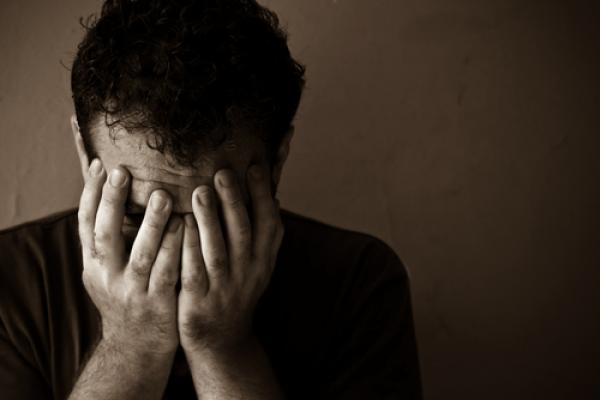
In the past few months, however, things have gotten a lot more complicated. Several fights have broken out over turf, a couple of people have fallen and lost teeth or broken ribs, and at least three times, people have broken into the boiler room to sleep. At least once or twice a week, we catch a group of younger folks shooting up heroin in the courtyard, their needles scattered about in the midst of the greenery. We have found every kind of bodily waste one cares to imagine in the common area, and this Sunday during our annual church cookout, I had to escort one man out of the restroom for masturbating to pornography in one of the bathroom stalls.
There comes a point when the hospitality afforded to those we are trying to welcome in has to be weighed against the safety of those already present in the community. Although the sanitation issues and the vandalism were less than pleasant, the violence, drug use, and sexual indiscretions finally pushed us over the line. We met with the Portland police and had a notice posted that said any loiterers who refused to leave upon request would be arrested.
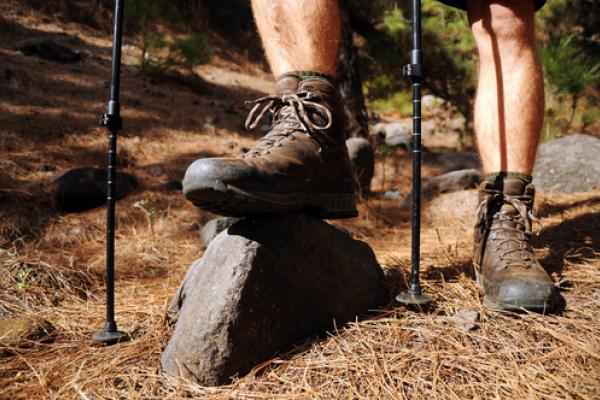
During the week leading up to the “Summer Heat” demonstrations — protesting the Keystone XL pipeline and urging for action on climate change — about 25 people started a hike from Camp David to Washington, D.C. Midway through the 100-mile hike, they were joined by another 50 people at Harper’s Ferry, W.Va. They called their journey the “Walk for Our Grandchildren.”
The name gives away the motivation — the walker’s sense of duty to future generations to leave a healthy planet. When they reached DC, many were arrested in an act of civil disobedience at the offices of Environmental Resources Management, a consulting firm given the task of writing the environmental review of the Keystone XL pipeline — a firm which also works for TransCanada, the energy company seeking to build the pipeline. Many others spent that Friday night at a church, and joined the Summer Heat demonstrations at the White House the next day.
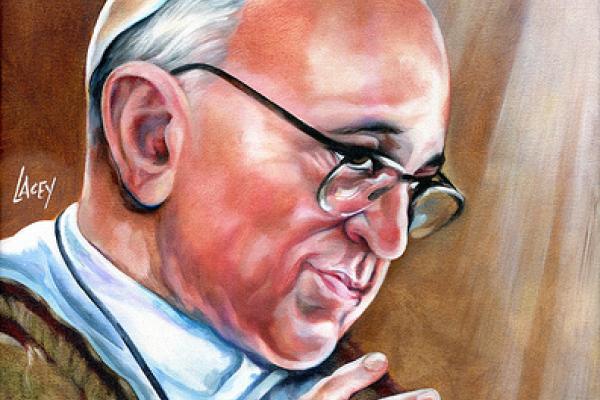
Pope Francis quickly is establishing himself as the “peoples’ Pope.” He has actively advocated for the poor, downplayed his elevated status, and speaks in colloquial terms that make him seem that much more human. He has left open the possibility that non-Catholics, non-Christians, and even atheists may fall within the vast embrace of a radically loving and merciful God. And now, he’s even made what many consider at least a benign – if not affirming – statement about homosexuality.
Historically, popes have toed an ideological line, asserting that homosexuality is inherently evil, and that all gay people are fundamentally disordered. In an expression of sincere humility, political savvy, or perhaps some combination of both, Francis took a more compassionate position, adding at the end of his comments, "who am I to judge?"
Welcome to the 20th century, Catholic Church.
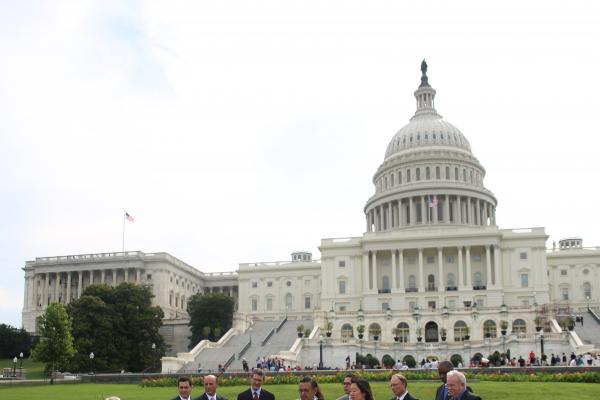
The battles over immigration reform and race have weighed heavily on me this summer. They have each become a symbol and a test, for me, of whether we can resurrect “the common good” in this nation.
I say that having just met with virtually all the key decision makers on when, how, and even if our nation’s politicians have the capacity to reform our terribly broken immigration system and help heal the nation from all the pain it has caused. Almost two-thirds of the country — both Democrat and Republican — is for reform, but this ideological impasse is now the greatest threat to our 11 million undocumented friends and neighbors in this country. I have met with both Republican and Democrat senators and members of Congress, including their leaders, the president and his leadership team, law enforcement officials, business leaders, and hundreds of pastors and Christians across denominations and backgrounds — all of whom want to repair this deeply flawed and cruel system.
There is so little substance to oppose reform. It’s good for the economy, for law enforcement, for families, communities, and congregations, and for the moral fabric of our nation — as a place of diversity, growth, and welcoming.
You see, politics really isn’t the problem here. Nobody wants to talk about what is at the very heart of the problem: race.
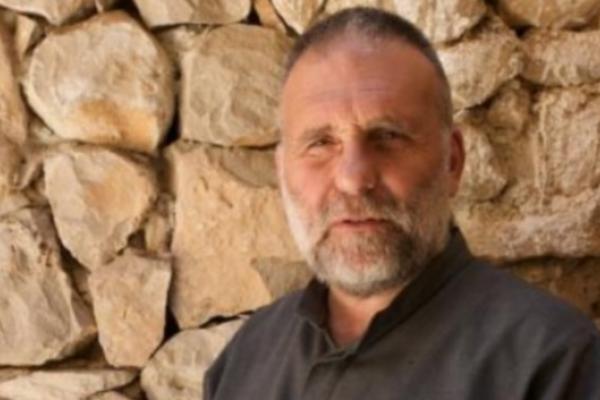
A prominent Italian Jesuit who is an outspoken supporter of the uprising against Syrian President Bashar al-Assad went missing in Syria Monday, fueling speculation that he has been kidnapped by an Islamist group.
The Rev. Paolo Dall’Oglio, 58, lived for three decades in Syria, where he established an ecumenical community at Mar Musa on the site of an early Christian monastery, engaging in interfaith dialogue with Muslims and forging close ties with the local population.
He was expelled in 2012 by the Assad government for his support of the rebels.