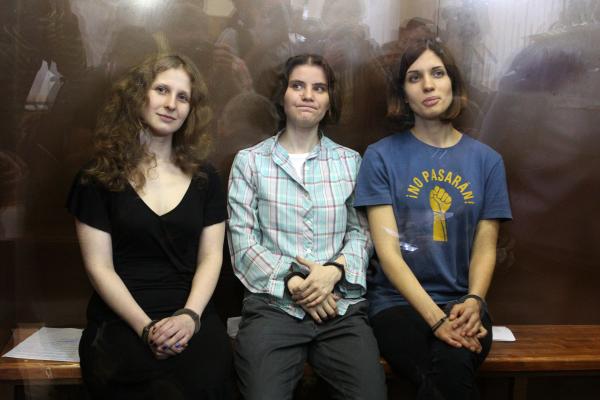
The all-female Russian punk band whose name shall not be mentioned (kind of like Voldemort in Harry Potter) was arrested following an uninvited “punk prayer” of protest against Russian president Vladimir Putin and his iron-fisted grip on the forthcoming election. Their boisterous prayer-performance was offered to the Virgin Mary at the altar of a Russian Orthodox church. They’ve been serving five months in jail since the event, and on Friday were sentenced to two years — time served credited against the sentence.
On the surface, I appreciate the demonstration. One could argue that even Jesus engaged in rather shocking prophetic displays inside temple walls to make a powerful point. And I appreciate that the band members were willing to go to jail (not a surprise they got arrested, really) for what they believe. On one level, it’s exactly the kind of thing that the punk ethos is all about: shocking people into awareness about the injustices around them, stirring people to action.

Every morning at 7:15, the doors of our school open wide to a line of bus riders ready to come inside. "Hello, Jaheem. Hi, Kiara. Hey, Imani. Hope you're having a good day, Omar," I call out as the students walk past me to the cafeteria for breakfast. I stand at the doors for a moment and watch the big, yellow buses puff their diesel exhaust and chug their way to the garage until it's time for their afternoon run.
Is there a more universal symbol for public schools than a big, yellow school bus?

As I was driving today I had the radio on scan. It filtered through the stations skipping to the next station automatically. Station after station came and went. I finally stopped it on a talk show.
I listened for a time as the host was telling anyone who would listen including me that our country is moving full steam ahead in the wrong direction. He predicted the worst and called Christians to rise up and reclaim our nation.
This was not the first time I have heard such fear mongering. Not too long ago someone warned me that our government would soon “come after churches that don't toe the party line.” Another told me that our government was out to destroy the Christian faith. I think this sounds great.
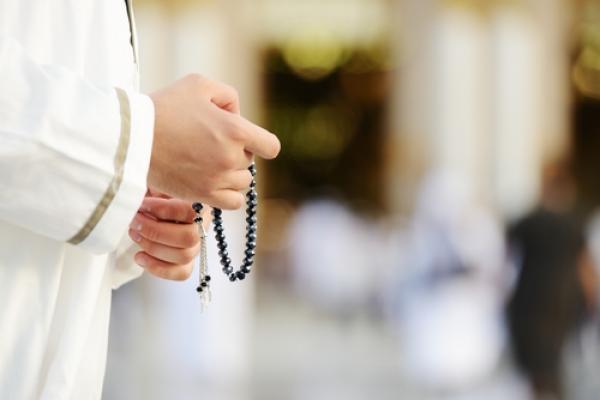
Following attacks on seven U.S. mosques in the last two weeks, including three attacks last weekend, many Muslim Americans are approaching the end of Ramadan on Aug. 19 under a cloud of fear as Muslim groups try to increase security without spurring panic.
According to reports, vandals shot paintballs at the Grand Mosque of Oklahoma City on Aug. 12, and in Lombard, Ill., someone threw a bottle filled with acid at an Islamic school while 500 people prayed inside. The night before, a neighbor fired an air rifle at the Muslim Education Center in Morton Grove, Ill., while on Aug. 7, two women were videotaped throwing pig legs on a proposed mosque site in Ontario, Calif.

“Peace for humanity is not only the absence of war, or the end of violence ... For us Christians, peace is based on a fundamental new relationship between mankind and God. That is why Christ said he brought peace, ‘not as the world gives.’ He brought a different peace.” – Bishop Samuel Ruiz García, known as Don Samuel, a champion of the poor and of the indigenous people in southern Mexico
Eastern Congo is home to some of the world’s most stunning scenery—and some of its most brutal and unimaginable violence. The relationship between these two symbols of the region is a close one.
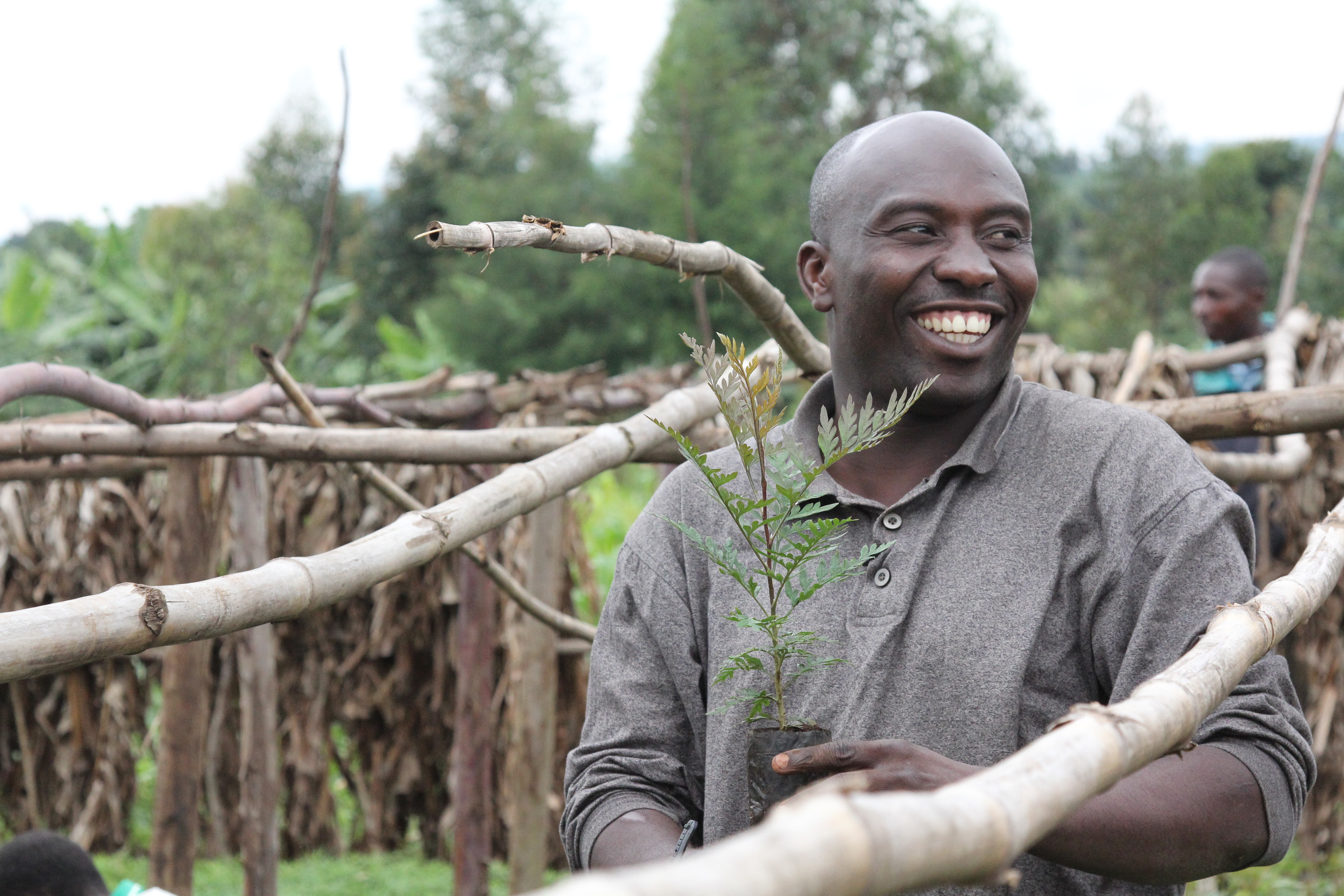
Part of the call of Christian peacemakers is not only to make peace between people a reality, but also to bring peace between people and the planet. In his work, conservationist Dominique Bikaba recognizes that peace between people and peace with our environment are closely intertwined, and he is seeking to bring about both.
Armed groups are waging war in eastern Congo, taking no heed of the grave impact that the conflict is having on the environment around them. The resources of the region are being exploited, to the detriment of future generations. This disregard for the communities of the region is a modern-day salting of the land. It’s a practice well known to the people of Israel in the Old Testament, in which armies would spread salt on the land of their adversaries so that nothing would grow there (see Judges 9:45).
The conflict in Congo is being waged on local communities—but Dominique is a problem-solver. He is seeking creative ways to conserve these communities while conserving the environment they inhabit, fostering the inherent relationship between the two. He is “bringing the forest to the community.”
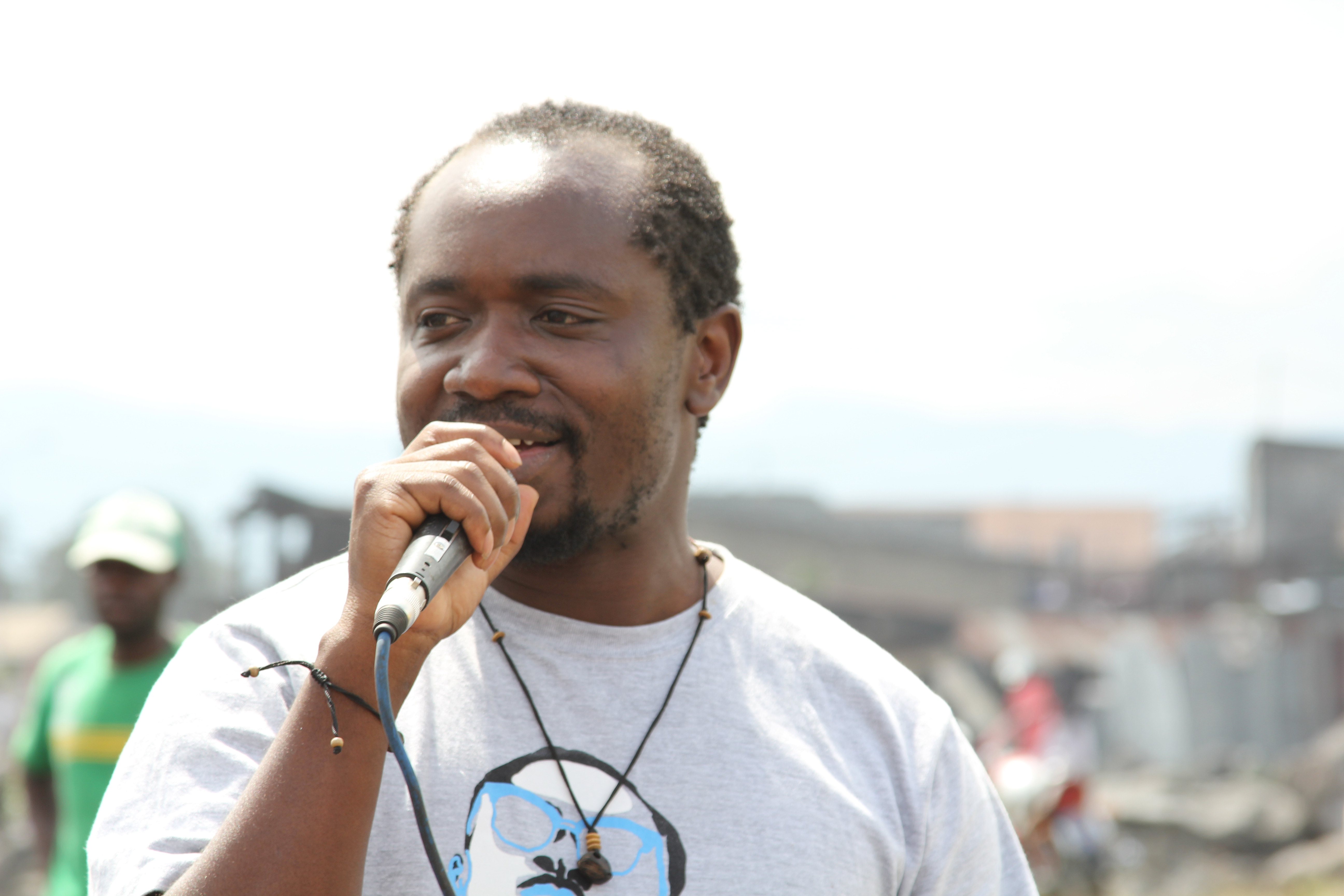
“The practice of peace and reconciliation is one of the most vital and artistic of human actions.” — Vietnamese Buddhist monk Thich Nhat Hanh
How do you combat violence, institutionalized rape, a corrupt government, and years of injustice? With more violence, better weapons, or more strategic strikes?
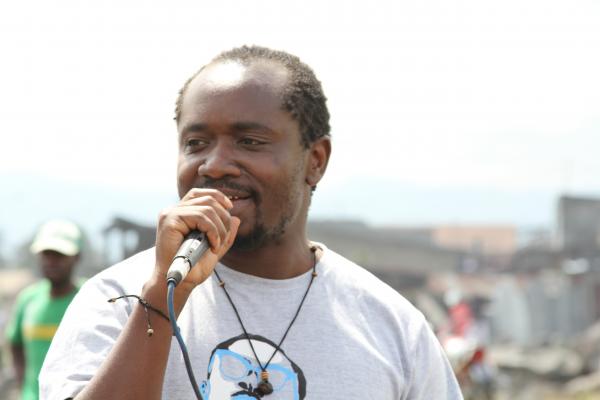
For Petna Ndaliko, you do it through art. In spite of attempts by the Congolese government and militia groups to silence them, Petna created a stage for local youth to express themselves. They sing about oppression, about corruption, and about the people’s ability to overcome.
Art heals. It unites a community. And it can ignite a spark for change. Film can inspire rape survivors to find their voices and tell their stories. From a grassroots level, music moves people to action.
Petna calls himself a small light from which a huge fire starts growing. For many Christians, this echoes Matthew 5:14, “You are the light of the world. A city built on a hill cannot be hidden.”
Petna’s hope is for the flame to spread through the youth of Congo, to carry the message of hope forward to future generations, finding creative ways to combat injustice.
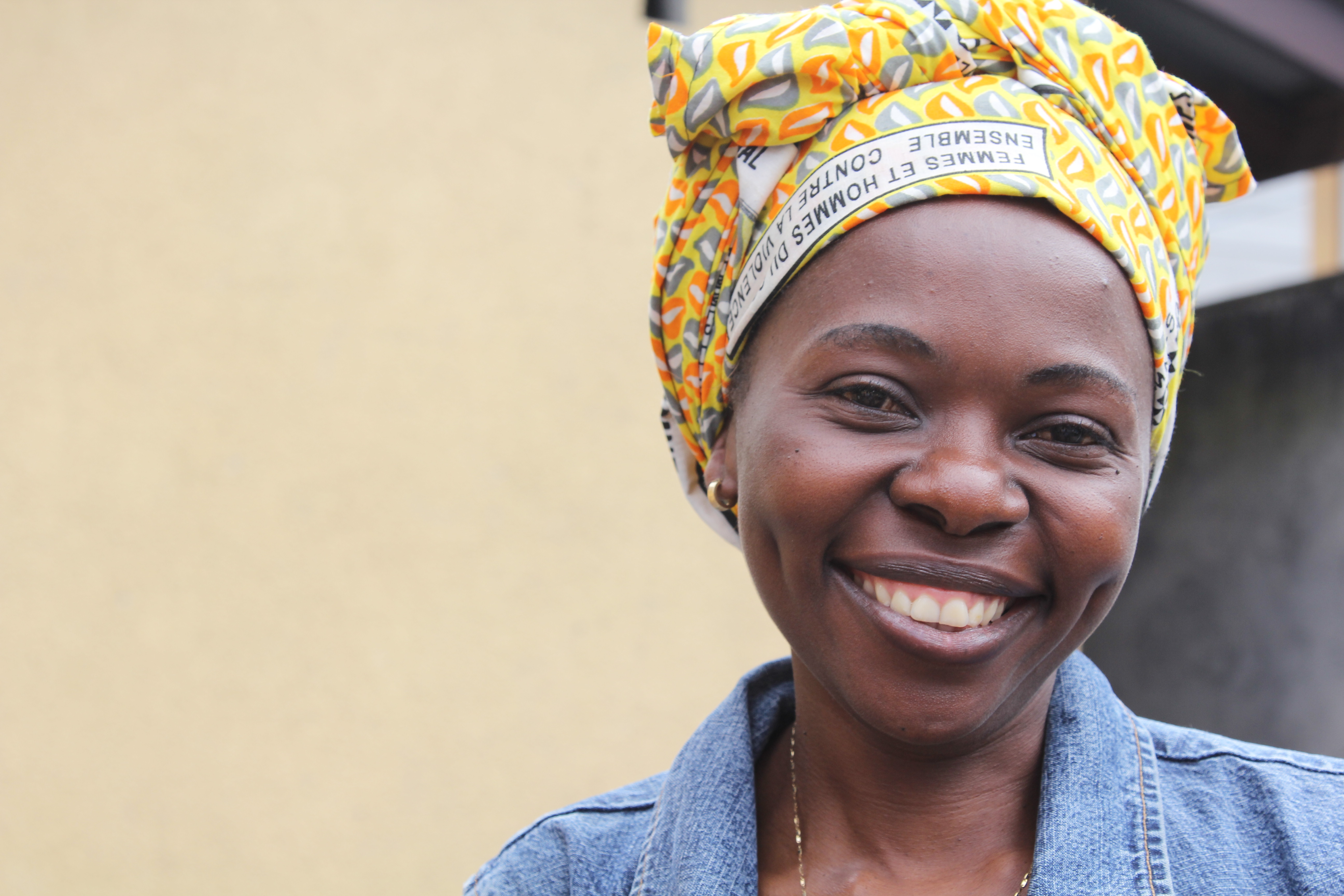
“It isn’t enough to talk about peace. One must believe in it. And it isn’t enough to believe in it. One must work at it.” –Eleanor Roosevelt, First Lady of the United States from 1933-45
“If we just sat with crossed arms, what would happen then?” is the question Denise, a Congolese civil rights attorney, asks us.
She has seen the destruction of her home through natural disaster and the pain of thousands of Congolese women who are raped every year. Still, she is faithful with the calling that she has been given—working to prosecute the cases she can to help rape survivors seek justice and find the hope to continue on.
Denise knows that to make peace, it is necessary to restrain and often punish the evil that humans do to one another.
“The Bible takes evil seriously and clearly says that evildoers should be held accountable for their deeds, and that the state has the legitimate role of bringing to justice those who perpetrate terrible crimes,” writes Jim Wallis in a July 2011 Sojourners’ column, “The Things That Make For Peace.”
But Denise’s work does not focus just on the punishment of those who commit rape but on the restoration of the survivors.
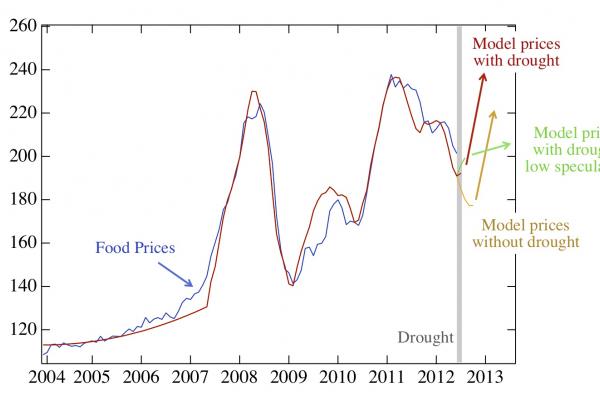
The advocacy group Stop Gambling on Hunger reports world food prices are predicted to rise sharply in the coming months, due partly to speculation:
"The New England Complex Systems Institute, [which has] developed a quantitative model able to very closely predicted the FAO’s food price index, released a new report predicting sharply higher food prices due in part to excessive speculation.
"Their model, originally released in September 2011 matched the FAO’s index from 2004 to 2011. Since then it has continued to closely follow the real world numbers.
"Unfortunately, the model now predicts, 'another speculative bubble starting by the end of 2012 and causing food prices to rise even higher than recent peaks.'
"While the researchers acknowledge that the drought in the Midwest U.S. will cause prices to rise, their model shows that excessive speculative activity will have an even larger effect. Though some key financial reforms passed in 2010 may finally begin to be implemented in early 2013, that may be too late to avoid the coming price bubble."
Read the rest of the article here.