women of the bible
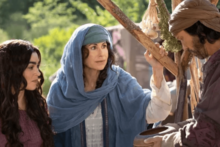
With The Chosen leading the way, we seem to be entering a golden age of Bible prestige television. A recent entry is Fox’s The Faithful, a three-part miniseries that retells the ancestral narratives of Genesis with a focus on the perspectives of woman. While the series at times pushes the envelope on melodrama, it also sincerely grapples with the complexities of these biblical stories. The three-part series, which aired its final episode on Easter Sunday, offers explanations for why characters make the choices they do, but it also doesn’t gloss over the troubled relationships and flawed personalities of the biblical text.
Episode 1 begins with a meet-cute. We first encounter Sarai (renamed Sarah after a visit from God midway through the episode) and Abram in a Haran marketplace. Before they were the covenant ancestors of the Israelites, Sarai and Abram were an aspiring romantic couple, at least as viewed through the lens of The Faithful. Sarai asks about a teal shawl at a market stand and looks crestfallen when she hears the price. But after walking away, someone calls her name, and she turns around to see Abram waving the shawl at her and grinning. She wears this shawl throughout the episode and is buried with it at the conclusion.

HAVE YOU EVER heard a sermon on Dinah? Have you read many commentaries on Hegai? In The Hero and the Whore: Reclaiming Healing and Liberation Through Stories of Sexual Exploitation in the Bible, Camille Hernandez, a trauma-informed educator and minister, interprets the narrative of these lesser-known biblical characters. She also reinterprets the stories of well-known figures — such as Eve, Rahab, and Potiphar’s wife — through the lens of sexual exploitation. For too long, stories of women in the Bible have been interpreted in religious cultures rooted in racism, sexism, homophobia, and transphobia. As a result, many Christians have stripped these characters of their agency and voice, demonized them, and sometimes ignored them altogether.
Hernandez provides language to reclaim our own narratives and process our own trauma. She encourages imagining a future where all people are safe and protected from sexual violence and other forms of oppression — both in the church and in society at large.