congressional super committee
This week, the Senate will vote on H.R. 2354, an appropriation bill that will determine the amount of funds we allocate for poverty-related development assistance. There are a number of amendments proposed that will severely cut this aid, which currently helps millions of the world's poorest and most vulnerable. The bottom 1 percent, if you will.
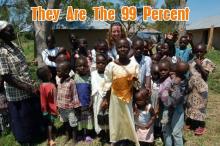
Right now, in cities around the world, there is a growing protest movement putting the issue of economic inequality squarely on the public agenda. Regardless how you feel about this movement, I believe there is another "99 percent" we need the G20 – and urgently Congressional leaders – to remember and prioritize.
Nearly 8 million children under the age of five die every year due to preventable malnutrition and disease. But they are not dying in the United States, Germany or here in France.
According to research by World Vision’s Child Health Now campaign, 99 percent of those entirely preventable deaths take place in developing countries. The 99 percent of the children that die under the age of 5 are too often invisible and don't have a voice at major global summits such as the G20 or in the corridors of Congress. These children constitute the real and too often forgotten 99 percent.

On November 23, the Congressional Super Committee appointed to reduce the national deficit must decide where to cut $1.2 trillion from the federal budget.
Many of their proposed cuts the Super Committee is contemplating strike fear in my soul -- a visceral forboding of injustice.
That's because the proposed billion-dollar cuts will affect after school tutoring programs, job training for unemployed adults, Head Start and child care programs, energy grants that help low-income families afford heat and many other programs that benefit the least of those among us.
It is for this reason that many organizers, parents, students, community leaders and people of faith will assemble across the nation at noon (in every time zone) on November 16 to form human circles of protection around the buildings of organizations and agencies that have dedicated their lives to helping the poor and are in jeopardy of losing essential funding from the federal government.