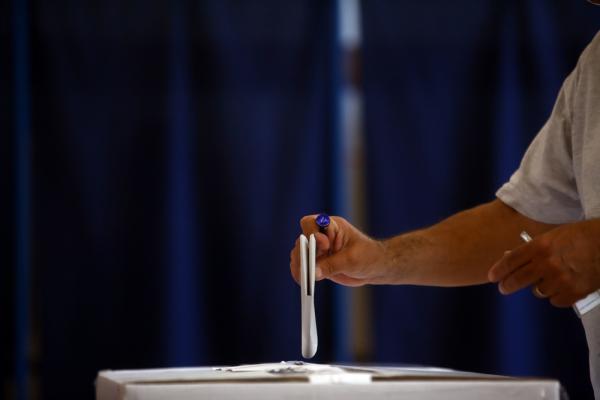
As the political stage gets set for the 2016 U.S. presidential election, how should Christians engage?
One unexpectedly relevant guide can be found in the book of Judges, which more than any other book in the Bible, describes a divinely-inspired form of leadership similar to our own. Between the era in which God spoke through Moses, and the one in which God worked through kings like David, came an era — lasting over four centuries — during which God raised up a series of individuals who had no predefined lineage, accomplishment, or gender marking them as leadership material. These judges were not judicial so much as military leaders, fulfilling a role strikingly similar to that of the American president.
Another notable commonality Americans share with the Israelites of Judges is the crisis in which we find ourselves. Apostasy, from the Greek word apostasia, means “an abandonment of one’s previous faith.” Then as now, a nation was turning away from God.
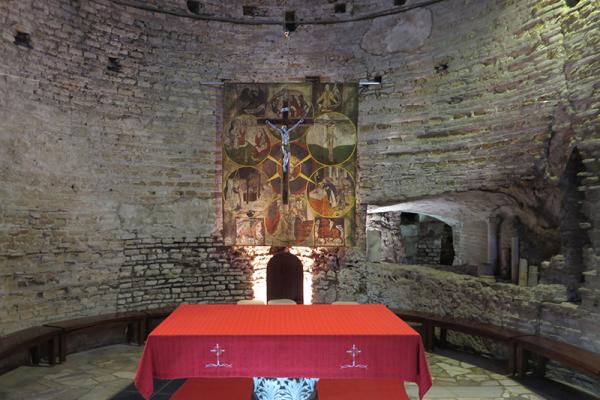
The document would become known as the Pact of the Catacombs, and the signers hoped it would mark a turning point in church history.
Instead, the Pact of the Catacombs disappeared, for all intents and purposes.
It is barely mentioned in the extensive histories of Vatican II, and while copies of the text are in circulation, no one knows what happened to the original document. In addition, the exact number and names of the original signers is in dispute, though it is believed that only one still survives: Luigi Bettazzi, nearly 92 years old now, bishop emeritus of the Italian diocese of Ivrea.
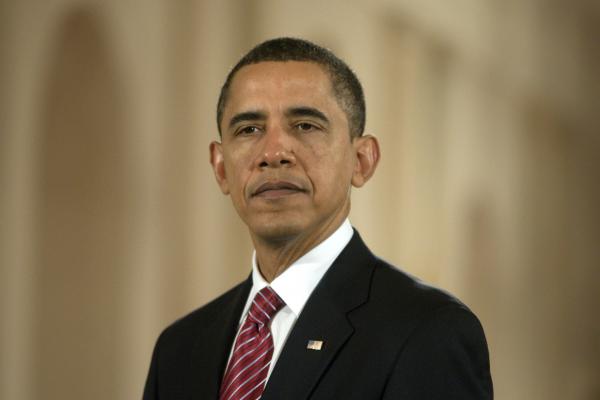
President Obama announced Nov. 2 a new executive order to reduce hiring discrimination against former convicts, according to MSNBC.
Applicants for positions in the federal government will no longer be required to check a box on their applications if they have a criminal record.
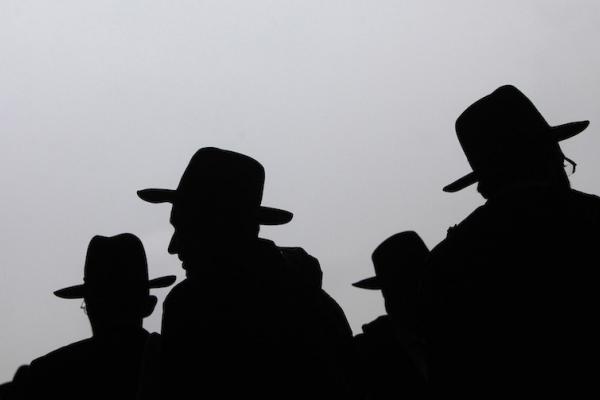
Women who would be Orthodox rabbis were handed a major setback Oct. 30 when the highest religious body for Modern Orthodox Jews ruled against their ordination.
The Rabbinical Council of America officially prohibited the ordination of women, or the use of the term “rabbi” or “maharat” for women, in what it described as a direct vote of its membership.
The prohibition comes six years after the founding of a yeshiva, or religious school, for women in New York City. The school, Yeshivat Maharat, has ordained less than a dozen women who use the honorific “maharat” instead of rabbi and has placed graduates and interns at 17 Orthodox synagogues in the U.S. and Canada.
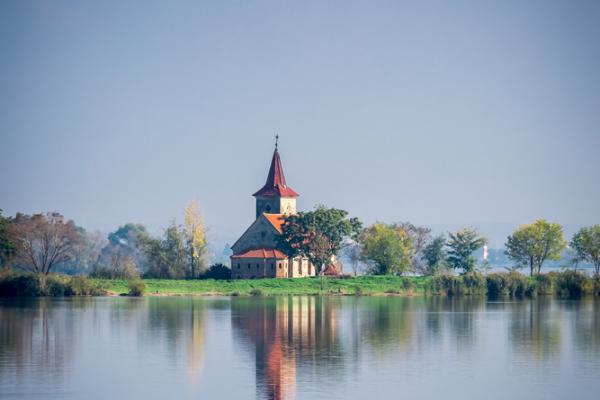
Americans as a whole are growing less religious, but those who still consider themselves to belong to a religion are, on average, just as committed to their faiths as they were in the past — in certain respects even more so.
The 2014 U.S. Religious Landscape Study, released Nov. 3 by the Pew Research Center, also shows that nearly all major religious groups have become more accepting of homosexuality since the first landscape study in 2007.
The new study may provide some solace to those who bemoan the undeniable rise in America of the “nones” — people who claim no religious affiliation.
“People who say they have a religion — which is still the vast majority of the population — show no discernible dip in levels of observance,” said Alan Cooperman, director of religion research at Pew.

In the end, we didn’t choose a house in the sprawling metropolis that is Waterloo. We took a home in a small rural town just outside the city. It reminds me of rural Pennsylvania: quaint, quiet, with lots of room for the kids to run and play. We can walk to school, the library, and the downtown shops. Kids run our streets playing ball hockey, riding bikes — all unattended by adults.
My friends in this town groan about the fact that due to the new practice of locking school doors, they can’t walk their kids all the way into the building anymore.
“I miss being able to help Olivia take off her coat, hang up her bag, and get her ready for class,” Kirsten tells me.
I nod respectfully, but I’ve never gotten to know what they’re now missing.
I want to be smart about my relief. I know there are certainly many ways my children can get hurt, even here. Still, I’m so grateful that my friends don’t know what I’m missing from life down in the States. I’m so glad that when I drop Noelle and Nathan off at the school doors each morning, I leave un-haunted.

Pope Francis’ visit to the Kenyan capital of Nairobi Nov. 25–27 will bring healing and reconciliation to the East African nation that has suffered key setbacks in the recent past, senior bishops here say.
Kenya, a country with 14 million Catholics, recently announced the theme of the papal visit: “Stand firm and be strong.” Organizers expect nearly 1.5 million people to attend the papal Mass on Nov. 26 in Nairobi; there are nearly 4 million Catholics in the Archdiocese of Nairobi.
The pope’s Nov. 25-30 pilgrimage to Africa, also includes travel to Uganda and the Central African Republic. But in remarks Sunday to a crowd of faithful in St. Peter’s Square, Francis raised the possibility that security risks could cause the Central African Republic leg of his trip to change or even be scrapped.
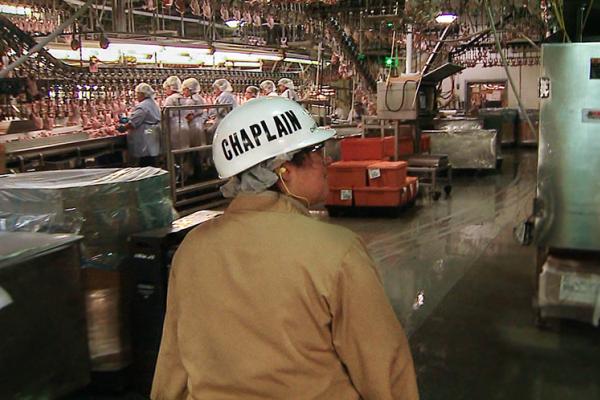
They can be found on the battlefield, at a chicken-processing plant, and behind the locked gates of a prison.
They are chaplains, and as a two-hour, two-part documentary airing on PBS stations beginning Nov. 3 points out, they minister to people of all religions and none in places where they work and live.
“Their ministry really does bring them into some of the most extraordinary places where people are in crisis and need,” said Journey Films producer/director Martin Doblmeier in an interview.

In every moment, we are every age we have ever been, according to psychologist Carl Rogers. For me, this means our bodies are like a bus riding down the highway of life, and the passengers are who we have been at every age. As we travel through life, some things we see, hear, and experience evoke feelings of great joy, love, and calm — or trigger tremendous anxiety, pain, and fear — from different past experiences.
When children are treated like they are not important, told they not smart enough or good enough, valued more for their accomplishments than for the unique individuals they are, treated like they only have value if they have money, or abused emotionally, physically, or sexually, the impact of those feelings never goes away. Those feelings continue to ride on the bus.
Because the child within us never goes away, the impacts of childhood abuse and neglect are long-term unless there is meaningful intervention.
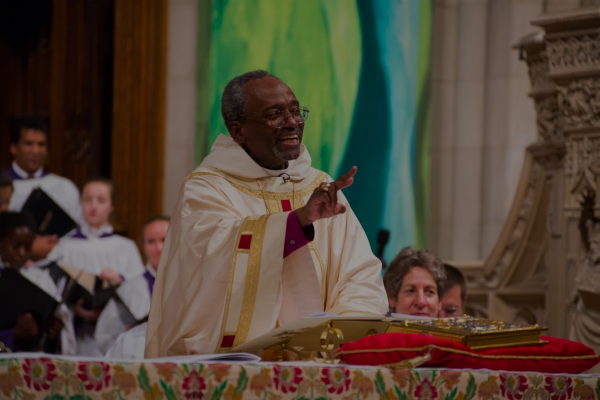
Curry’s landslide election in June — 10 days after nine black congregants were shot to death by a white supremacist at Emanuel African Methodist Episcopal Church in Charleston, S.C. — is notable for a denomination whose membership is only 4 percent black.
"After the Charleston shootings, it became really important to send a signal about race in the Episcopal Church," said the cathedral’s retiring dean, the Very Rev. Gary Hall, in an interview last week.
Curry’s election is not only a symbol of the church’s need to engage with racial justice issues, but also its need to become “a more hospitable place for people of color,” said Hall.
A 2014 denominational survey found that only 17 percent of black Episcopal churches are growing — and that while black congregations engage in more lively worship and have “clearer purpose,” their congregants tend to be older and are less engaged in evangelism than the denomination’s white churches. Latino, Asian, Native American, and multi-racial/ethnic Episcopal churches were too few to sample individually, though their collective growth is significantly stronger than predominantly white or black churches, the report said.