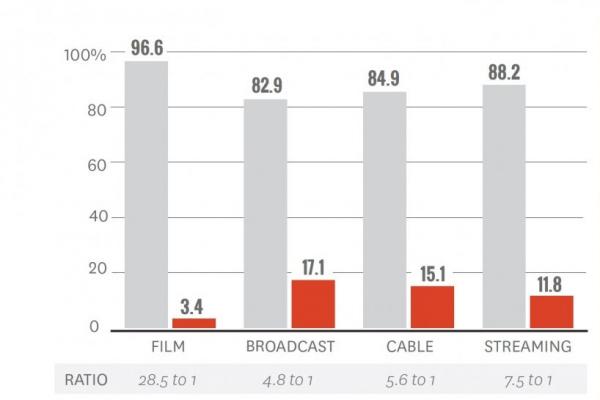
Just before Hollywood’s most glamorous — and this year, controversial — night of the year, a new study shows just why the Oscars are so monochrome. This is the first-ever exhaustive analysis of film, television, and digital streaming services for issues of diversity and inclusion. Conducted by Stacy L. Smith of the Media, Diversity & Social Change [MDSC] Initiative at the USC Annenberg School for Communication and Journalism, the study reveals how exclusive of women, people of color, and the LGBT community those platforms are.

In this oddest of presidential election seasons, one odd fact is rarely mentioned: the curious age spread of the candidates.
At their first inauguration, our 43 U.S. presidents* have ranged in age from almost 43 to almost 70. More than half were in their 50s. Their median age was 55, and so was their average age.
But in 2016, now that we're down to seven candidates (Carson, Cruz, Kasich, Rubio, and Trump vs. Clinton and Sanders), not a single candidate is in his or her 50s.

Self-professed best friends, Anthony and Dustin have two very different energies. Anthony is compact, and speaks with vivid and pointed images that cut through the fog of misconception. His gaze is simultaneously direct and yet deeply reflective. Dustin emanates a good ol' southern boy vibe: easy grin, easy mannerisms, each movement relaxed and deliberate.
And then there is the one glaring difference between them: Anthony is black. Dustin is white.
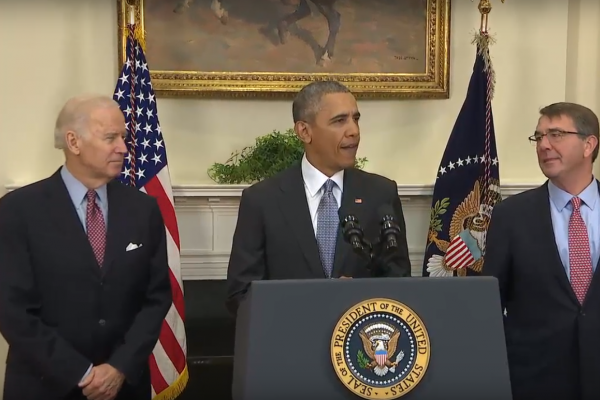
President Obama promised to close the Guantánamo Bay detention facility at the beginning of his presidency. Seven years later — nearly to the day — he released a plan to do it.
“For many years it’s been clear that the detention facility at Guantánamo Bay does not advance our national security,” Obama said.
“It undermines it.”
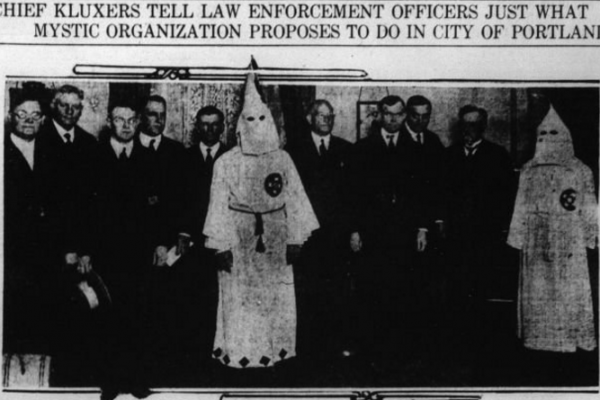
Did you know that Oregon was founded as place for white people only?
Yes. Yes, it was.
In a complicated twisting political tale of pre-Civil War American history, enshrined in my state’s constitution were explicit and clear black exclusion laws.
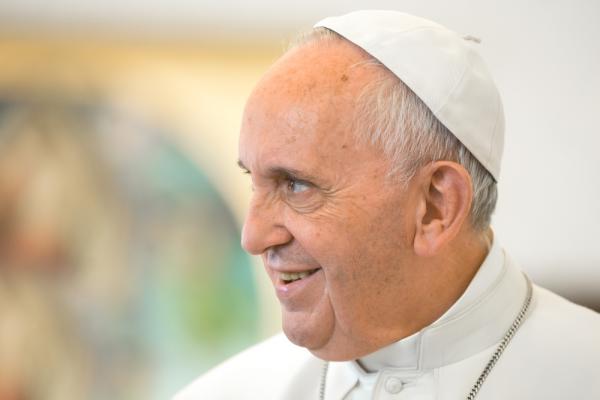
Days after creating a stir by saying that Donald Trump “is not Christian” because of his harsh views on immigrants, Pope Francis again took up the theme of “fake” Christians in his homily at Mass the morning of Feb. 23. Referring to the readings of the day from Isaiah and from the Gospel of Matthew, in which Jesus warns of the judgement that awaits those who do not practice what they preach, Francis said Christians must act on their beliefs and care for the neediest — the hungry, the thirsty, and those in prison.
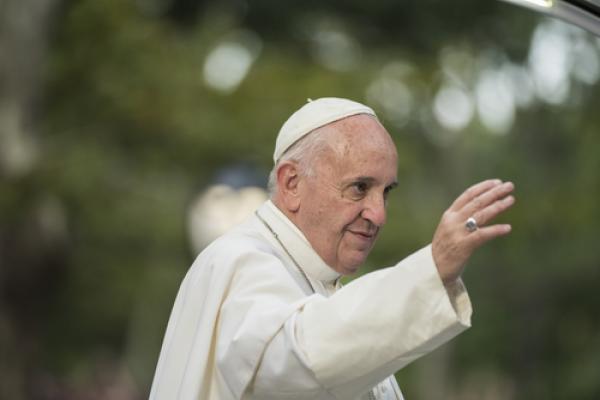
You probably saw the media frenzy around Pope Francis’s comments aboard the papal plane on his trip back to Rome from Mexico last week. When asked about presidential candidate Donald Trump’s plan to build a wall along the U.S.- Mexico border, the pope said, “A person who thinks only about building walls, wherever they may be, and not building bridges, is not Christian.”
However, I was struck most by the pope’s following remarks, which were omitted from several mainstream media accounts — when he said of Trump’s plans, “This is not in the Gospel.”
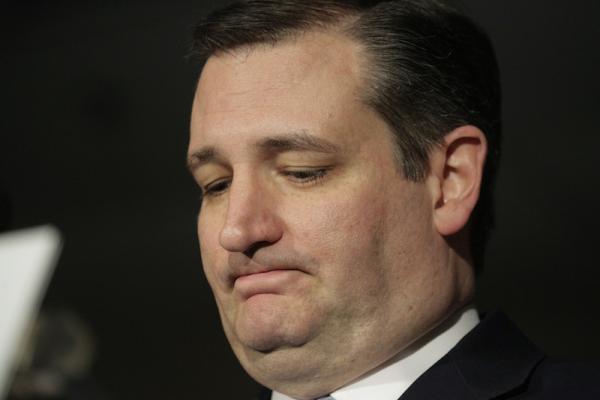
Sen. Ted Cruz said he has asked his communications director to resign after spreading a false story on social media about Sen. Marco Rubio.
“Our campaign should not have sent it,” Cruz said Feb. 22 before speaking with supporters at a neighborhood YMCA in Las Vegas.
“That’s why I’ve asked for Rick Tyler’s resignation.”

There is a big difference between criticism/critique and accusation. We all use criticism all the time: when we read the ingredients on a product we buy in the store, when we purchase clothing and make sure it doesn’t have flaws, when we disagree (politely) with one another. Criticism is not scapegoating. This distinction is where people get confused. They say ‘you are criticizing so and so and scapegoating them.’ This is incorrect.

Imagine a test on world religions that asks this question: “Who founded Christianity?”
Jesus, right? Wrong.