For the past few years, Terry Daniel Sr. and Lisa Haynes used good cheer to camouflage their deteriorating health and dwindling finances. They kept up running jokes with neighbors. Their easy banter made them popular at their mobile home park's annual picnics.
But about 10 months ago, their problems finally overwhelmed them. Haynes, 55, saw her epilepsy rage out of control, resulting in seizures so violent that she injured her neck and was forced into a rehab facility. Daniel, 60, was debilitated by a life of hard labor, and had began using a walker full time. That was hard on both of them because he was Haynes' caregiver.
Feeling desperate and out of choices, they planned a final exit together, police said, and made a recording to explain their reasons. On Feb. 12, Daniel shot Haynes and then himself. Haynes died as planned in their mobile home near Milwaukie, Ore., but Daniel survived a gunshot wound to the chest. He may have ended her suffering, but he turned his own life upside-down, tripping legal and social dominoes that haven't yet settled.
Daniel immediately confessed to police. As soon as he was released from the hospital, he was charged with murder, spawning discussions in health and legal circles about how two very poor people with disabilities found themselves in such desperate circumstances.
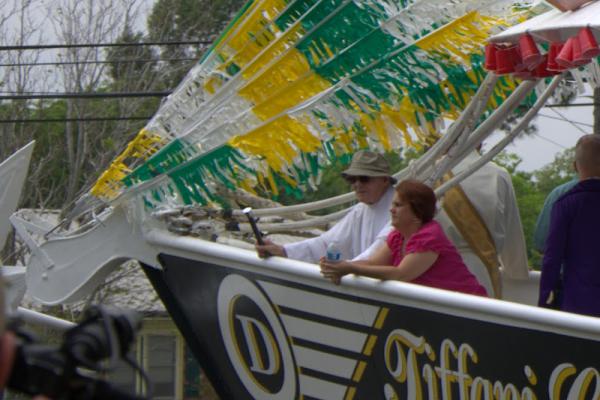
Faith and fishing: two central parts of Louisiana’s vibrant coastal culture. Every April, going back generations, you can see them intersect in a celebration of bayou life at the annual Blessing of the Fleet in Chauvin, La. Families welcome the opening of the year’s first shrimp season by coming together to pray for family and friends who depend on the seafood industry, and for a healthy ecosystem that yields a bountiful catch.
“We pray for the safety and welfare of all fishermen,” said Fr. Frederic Brunet, pastor of St. Joseph Catholic church who has presided over the event for many years. “Bless the shrimp and crabs and help us to catch a lot of them.”
This year saw the second blessing since the BP Oil Spill shut down the Gulf fishing industry in 2010. Since then, many shrimpers have reported problems: poor catches and startling irregularities (such as shrimp with no eyes).

UN Toughens North Korea Sanctions Over Rocket Launch — Afghan Schoolgirls Poisoned In Anti-Education Attack — Antipoverty Tax Program Offers Relief, Though Often Temporary — Why The NRA Pushes ‘Stand Your Ground’ (OPINION) — Christians Debate: Was Jesus For Small Government? — Why 'Blue Like Jazz' Won't Save Christian Cinema — Do Americans Love War? — Most Americans Say Tax System Favors Wealthy — Can 'Caring Across Generations' Change the World? — Does Anyone Realize What The GOP Just Did? — Why Are There So Many Coups In West Africa?
On November 21, 1967, General William Westmoreland, U.S. commander in Vietnam, delivered a speech at the National Press Club on war strategy. “We have reached an important point when the end begins to come into view,” he said, and outlined a “new phase” in the war where the U.S. would:
- Help the Vietnamese Armed Forces to continue improving their effectiveness.
- Help the new Vietnamese government to respond to popular aspirations and to reduce and eliminate corruption.
- Help the Vietnamese strengthen their policy forces to enhance law and order.
Then came what is now known as the Tet Offensive. On January 30, 1968, the National Liberation Front launched attacks against cities and towns throughout South Vietnam. It was the beginning of the end, the evidence that U.S. strategy had failed.
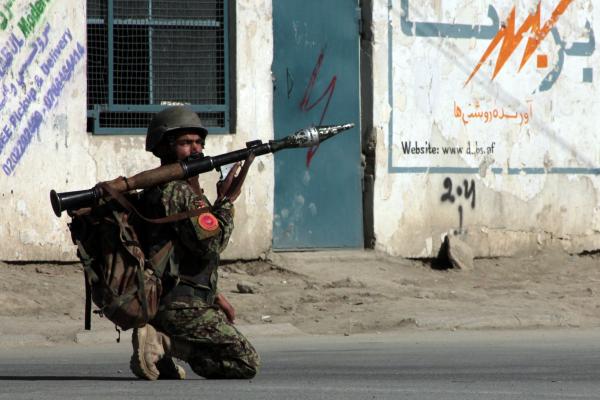
Fast forward 45 years. U.S. strategy in Afghanistan emphasizes assisting the Afghan army and police forces to improve their effectiveness along with working to reduce corruption in the government. We hear encouraging speeches from politicians and generals. We’re told the end is in sight.
God, we pray for all the children who have or are currently being bullied. Guard their hearts, Lord, and give them strength to face the day. Place mentors, teachers, and friends in their life to comfort them and encourage them. Amen.
"With great power the apostles gave their testimony to the resurrection of the Lord Jesus, and great grace was upon them all. There was not a needy person among them, for as many as owned lands or houses sold them and brought the proceeds of what was sold. They laid it at the apostles’ feet, and it was distributed to each as any had need." - Acts 4:33-35
"Whether you like it or not, whether you know it or not, secretly all nature seeks God and works toward [God]." - Meister Eckhart

Several months ago I was blessed to meet a young man, Marcus, whose story is not unlike so many young African American young men who find themselves on the other side of a prison cell.
Marcus lived a challenging life, made some bad choices and was convicted of a non-violent drug possession charge. What makes his story different is that he found a new way forward. Just before his release on parole, Marcus was connected to a mentorship program that encouraged artists who were incarcerated. This mentorship program was created by one faithful person who takes seriously the charge to “Remember those who are in prison, as though you were there in prison with them…” (Hebrews 13:3).

I wouldn’t normally think to write a blog about bullying, but this time it’s personal.
Last week a beautiful mixed-race Asian-Latino boy named Teddy Molina committed suicide in Corpus Christi, Texas because of bullying. I take it really personal because I am also Asian-Latino, and I experienced mixed-raced racial taunts as a child. I especially take it personal because my son and daughter are mixed race and I must make sure that this never happens to them.
Teddy was a freshman in high school and he had experienced intense racial bullying since junior high. His parents lodged more than a dozen complaints to his high school—all to no avail. The “wolf pack”—a group formed by a handful of athletes—continued to bully Teddy. It got so bad that he was pulled out of school in March.
This bullying caused Teddy’s suicide.
From the fall of the Berlin Wall in November 1989 to the dissolution of the Soviet Union in December 1991, the Cold War ended. But U.S. policymakers apparently still haven’t gotten the news.
This meeting of the Summit of the Americas in Cartagena, Colombia, last weekend ended without the usual official declaration because U.S. policy refuses to include Cuba, while a broad range of other governments in the Americas supports an invitation. The final vote was 32-2 for Cuba’s inclusion in future meetings, with only the U.S. and Canada opposed.
Reuters noted: “U.S. insistence that Havana undertake democratic reforms before returning to the hemispheric family led to a clash with a united front of leftist and conservative governments that see Washington's policy toward Cuba as a relic of the Cold War.”
It’s long past time for the U.S. to realize that the Cold War is over, that Cuba exists, and that inclusion will foster change faster than exclusion. Even the Vatican realizes that, as Pope Benedict’s recent trip to Cuba demonstrated.