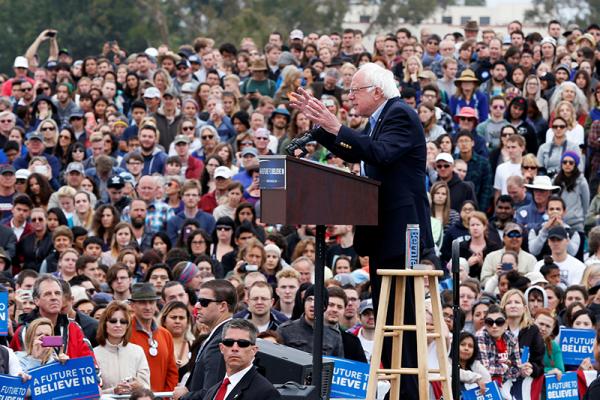
As Bernie Sanders’ insurgent campaign for the Democratic presidential nomination heated up in these past months, so too did comparisons between the fervor fueling Sanders’ political movement and the faith-based mobilization of an old-time religious revival.
“More than any other candidate Bernie draws on the language of right and wrong to make his pitch. Politics for Bernie isn’t a job, it’s a crusade,” Grant Diamond, pastor of Faith Baptist Mill Creek, west of Chicago, wrote on his blog last month.
If we were to go by the titles of books about leadership, we might be tempted to imagine that good leadership is a matter of following the right set of instructions. And this might work if we could all agree what good leadership is. The roiling presidential season just might suggest otherwise.

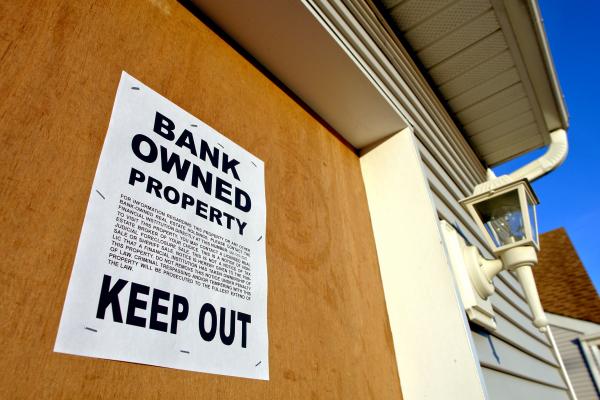
“We’ve come to our nation’s capital to cash a check,” Martin Luther King, Jr. said in the “I Have a Dream” speech. The Founders of the United States had signed a metaphorical promissory note that guaranteed equal rights for all people, he said.
“It is obvious today that America has defaulted on this promissory note insofar as her citizens of color are concerned,” King concluded.
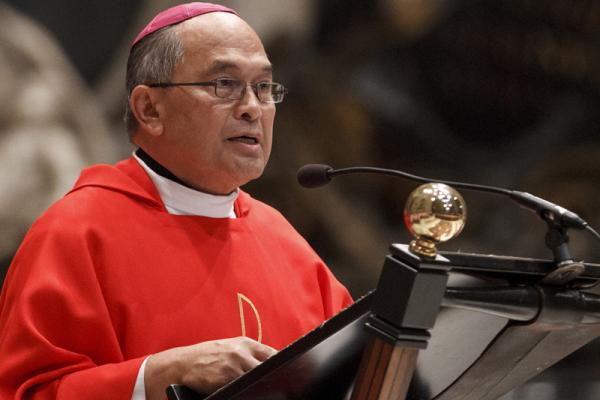
Mounting accusations of sexual abuse against the archbishop of Guam have prompted Pope Francis to name a Vatican official to oversee the Catholic Church on the Pacific island territory while the charges are investigated.
The decision announced June 6 to force Archbishop Anthony Sablan Apuron, who has led the Agana Archdiocese for 30 years, to yield his authority, at least temporarily, is the latest sign that Francis is taking tougher steps to tackle the sexual abuse crisis.
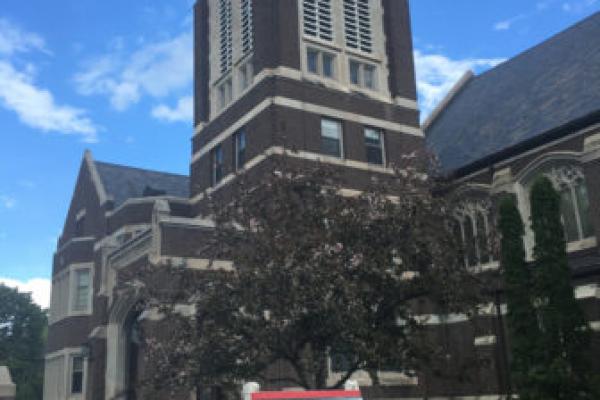
The sign in front of the building reads “Blessed Ramadan.”
But the building isn’t a mosque or Islamic Center — it’s Pilgrim Congregational Church, a United Church of Christ congregation in Duluth, Minn.
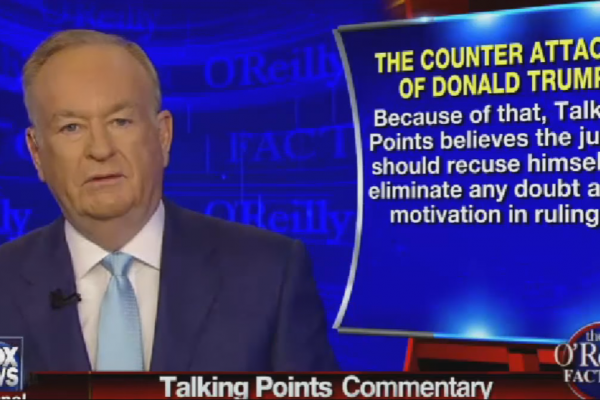
While many Republicans — even those who support Donald Trump as the Republican presidential nominee — are going on the record condemning Trump's recent attack on Judge Gonzalo Curiel, saying the federal judge cannot be impartial in the Trump University civil fraud lawsuits because of his "Mexican heritage." House Speaker Paul Ryan, who just last week announced his support, said Trump's comments were "out of left field," and that he "completely disagree[s] with the thinking behind that."
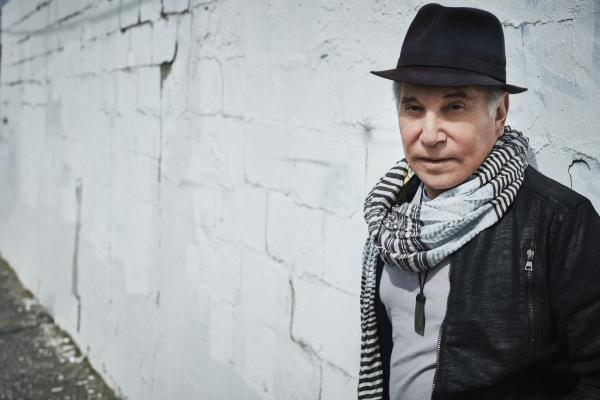
Since the 1960s, Simon’s musical dialogue with his audience has been an adventure: through the mean streets of pre-Bloomberg New York City, on a bus across America, with a runaway bride, into the townships of South Africa, Chernobyl, the Amazon, fatherhood, the deep South, the ups-and-downs of enduring love, questions about mortality, and dreams of the afterlife.
That conversation (and adventure) continues with Stranger to Stranger at the velvet rope of a nightclub, with a homeless “street angel,” in a hospital emergency room, at the riverbank, an insomniac’s bedside, and a village in central Brazil that some might describe as a “thin place” — where the veil between this world and whatever lies beyond it is like gossamer.
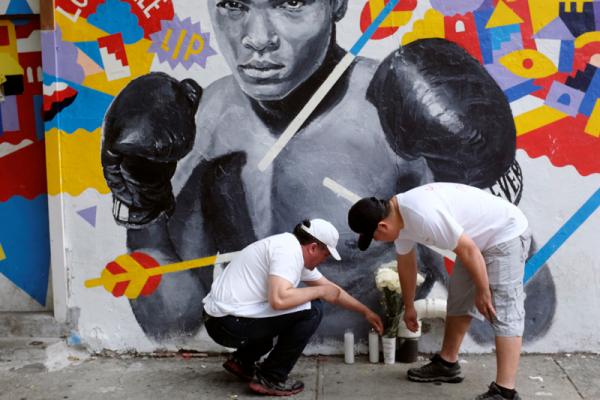
When boxing star Cassius Clay declared himself a member of the controversial Nation of Islam back in 1964 and demanded to be called by his new name, Muhammad Ali, he shocked the world of sports and rattled a nation already struggling with social unrest over civil rights and the Vietnam War.
But Ali’s conversion also launched a pilgrimage of faith that would take him from the fringes of Islam through its orthodox heart, and from a virtual pariah to a global ambassador for faith — his own and others — as the key to peace.

I like to call Ramadan a personal spiritual boot camp. One not only fasts but also prays more, is more careful of one’s interactions with others, tries to exhibit more patience and love. The hunger and thirst — even the overall sense of exhaustion one feels by the end of each day — is a fuel that pushes a Muslim to do better, to fight the internal impulses towards negativity and sin, and to become a better person. Is that possible without fasting? Maybe. But with fasting it is definitely probable. By the end of the 30 days of Ramadan, one feels invigorated, nearer to God, and somehow optimistic.

In a three-page letter, U.S. Rep. Filemon Vela blasted Donald Trump as a “racist” and told him “you can take your border wall and shove it up your ass,” reports Chron.
Vela, a Democrat from the border town of Brownsville, Texas, opened the letter diplomatically, admitting that he agrees with Trump that the government has failed veterans, that Mexican drug cartel violence requires a more serious response, and that felons who are undocumented ought to be deported.