Sing along to the news with Joseph Gordon-Levitt, Vermin Supreme, and Newt Gingrich. See what happens when things that shouldn't be put in the microwave are cooked. Read about Dwight Schrute's new television endeavor. Listen to an acapella mashup of Bon Iver and Bon Jovi. And more...

Talk Of Taxing The Rich More Faces Political Realities; Why Mitt Romney Can't Be The Mormon JFK; Why Evangelicals Don’t Like Mormons; Economic Crisis Mustn't Eclipse Battle Against Poverty, Says Bill Gates; Reclaiming The Name Evangelical (OPINION); Interactive: Is God Hearing Your Climate Change Prayers? (VIDEO); The 'Human Costs' Of An iPad; Reclaiming Jesus’ Sense Of Humor (OPINION)
In his column for the New York Times, Nicolas Kristof tells the story of a 13-year-old girl in Brooklyn he calls “Baby Face." She had been sent into an apartment building by a pimp to meet a customer.
But, after being sold for sex five to nine times a day and beaten with a belt when she failed to bring in enough money, she told prosecutors later she was in too much pain to be raped by a john again.
Instead, she pounded on a stranger’s door and begged to use a phone. She called her mother and then 911.
Kristof writes:
The episode also shines a spotlight on how the girl was marketed — in ads on Backpage.com, a major national Web site where people place ads to sell all kinds of things, including sex. It is a godsend to pimps, allowing customers to order a girl online as if she were a pizza.
God, bless those who are weary, that they might find strength in their weakness. Like you restore life to the earth in spring, fill our hearts with renewed hope. Amen.
"So then, putting away falsehood, let all of us speak the truth to our neighbors, for we are members of one another." - Ephesians 4:25
"To be a good writer, you not only have to write a great deal but you have to care. You do not have to have a complicated moral philosophy. But a writer always tries, I think, to be a part of the solution, to understand a little about life and to pass this on." - Anne Lamott from, Bird by Bird

During a roundtable chat with a group of emerging young evangelical leaders recently, someone posed the question: “Has America become a post racial society?”
Well, we haven’t had a race riot in a while — does that mean race isn’t relevant anymore?
A black president just gave the State of the Union Address. How about that? Does that mean America’s OK with the race thing?
Our nation is a more ethnically diverse nation than it’s ever been. Does that count for anything?
Scholars across disciplines agree that what we think of as “race” literally was invented here in the 17th century to delineate castes within a system of extreme privilege and subjugation.
So, rather than thinking about the dreaded word, “racism,” to answer the question, perhaps it would be more helpful to think about how our society has been “racialized” and then ask if such a racialization still exists or reverberates in today's American culture.

Earlier this week, I wrote about how nostalgia expressed in contemporary politics points to the privilege of those longing for the “good old days.” In doing so, I stumbled onto a theme I’ve decided to explore throughout the week. Namely, I’m interested in how it is that inspired vision – unconstrained by “what ifs” or fear of change – might break down barriers to opportunity and help overcome systemic privilege that holds some people back from realizing the same potential as others who are more fortunate.
I wrote an article a little while back about the lingering effects of colonial power on institutional education, and how it continues to limit access for those without certain privilege to connect with it. Well, it turns out there are some folks already trying to do something about this, and it’s pretty exciting.
Sebastian Thrun, a professor at Stanford in computer science, worked recently with Google to create a revolutionary self-driving car. As if this wasn’t enough, Thrun went on to develop an idea that would at once shift the educational landscape across the planet.
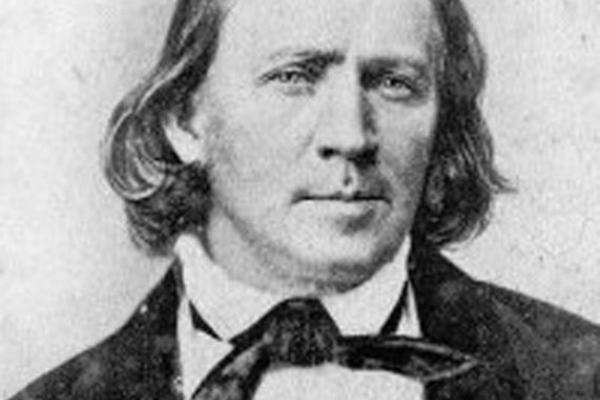
With Mormonism frequently in the news, do you wish you knew more about its beliefs and practices? Cathy Lynn Grossman has a good basic summary, and a comparative chart to Christian denominations.

In his message for the 2012 celebration of World Communications Day, Pope Benedict XVI praised the benefits of social media, while also cautioning against its dangers.