"From a scientific standpoint, what's legitimate and fair to say is that a woman who is raped has the same chances of getting pregnant as a woman who engaged in consensual intercourse during the same time in her menstrual cycle," said Dr. Barbara Levy, vice president for health policy at the American Congress of Obstetricians and Gynecologists.
One widely accepted study suggests a 5 percent pregnancy rate following rape, resulting in 32,000 pregnancies each year.
The report was from the Medical University of South Carolina and was published in the American Journal of Obstetrics and Gynecology and cited by the U.S. Centers for Disease Control and Prevention.
But placing an exact figure on post-rape pregnancy is problematic, primarily because rape is thought to be underreported. Another factor is the availability of over-the-counter emergency contraception, which can prevent fertilization when taken after intercourse.
One study from the journal Human Nature in 2003 suggests pregnancy rates are higher after a rape when compared with consensual sex because of the inconsistency of birth control use.

As international concern about U.S. targeted killings with drones rises, Ben Emmerson, UN Special Rapporteur on Human Rights and Counter-Terrorism, said Sunday that every drone strike should be impartially investigated. According to Common Dreams,
"Emmerson is preparing a report for the next session of the Human Rights Council in March covering the use of drone attacks, which have spiked since Obama's presidency.
He questioned the legality of the drone strikes and noted the growing global outrage over their use. ‘We can't make a decision on whether it is lawful or unlawful if we do not have the data. The recommendation I have made is that users of targeted killing technology should be required to subject themselves, in the case of each and every death, to impartial investigation. If they do not establish a mechanism to do so, it will be my recommendation that the UN should put the mechanisms in place through the Human Rights Council, the General Assembly and the Office of the High Commissioner.’”
This comes as a flurry of drone strikes along the Pakistan-Afghanistan border in the last four days have killed at least 18 people. Reuters reports that six people were killed in an attack on Saturday, five early on Sunday, and two more later on Sunday near the location of the previous strike. These attacks came as celebrations of the Eid al-Fitr festival, marking the end of Ramadan, were occurring. Tuesday, a further strike killed five, according to the Associated Press.
Mr. Emmerson’s call for investigations is an important step, one that will hopefully mark the beginning of the end for drones as killing machines.

Among my must reads are the Sunday New York Times Book Review and other book reviews I come across in various media outlets. There are too many books being published that I would love to read, but just don’t have the time. So, I rely on reading book reviews as one way of keeping in touch with what’s being written.
Here are my picks of this week’s books.
Ever since the global financial cabal drove the world's economies into a ditch, popular movements have been rising up to fight "austerity measures" that exact punishment on the poor and leave the rich untouched. This is a familiar biblical meme for the definition of injustice. The words of the prophet Jeremiah come to mind: "Your clothes are stained with the blood of the poor and innocent" (Jeremiah 2:34).
"When Spanish mayor Juan Manuel Sánchez Gordillo recently led farmers on a supermarket sweep, raiding the local shops for food as part of a campaign against austerity, his political immunity as an elected assembly member protected him from arrest. He now asks other local mayors to ignore central government demands for budget cuts and refuse to implement evictions and lay-offs. In this era of austerity, such flagrant disrespect for the law ought to be encouraged. Sometimes, the greatest strength of popular movements is their capacity to disrupt. So here, for the benefit of imaginative indignados, are five examples of civil disobedience:

Shrill voices, backed by vast ad spending, are trying to turn Americans against each other. And not just in vocal and behavioral disagreement, but to a depth of fear and hatred that could turn violent with little provocation.
Is it working?
To judge by the shrill echoes of shrill voices, the right wing is arming for battle, with God on their side, the flag as their shield, and the future of a white Christian nation at stake. Foolhardy politicians egg them on, and the greedy rich seem to believe that they can turn this hatred on and off to suit their quest for tax breaks.
Do the shrill represent any force larger than their own passions? Will the common-sense middle prove more durable and extensive than zealots want to believe?
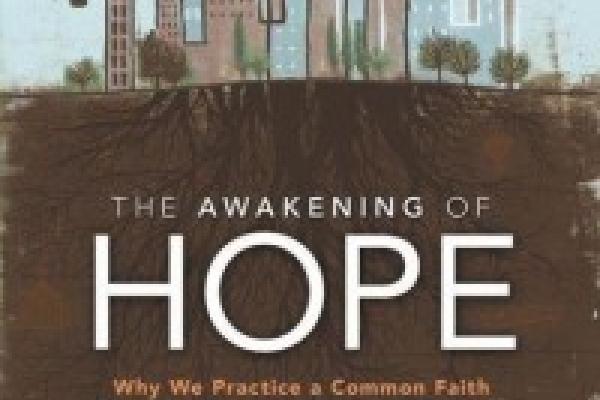
Jonathan Wilson-Hartgrove is a modern-day sage. A leader in the New Monastic movement, Hartgrove offers New Monastics and the church at-large profound lessons revealed through the practices of catechism — the spiritual disciplines of Christian faith.
Tempted by the powers of isolation, consumerism, pride, and violence this generation is drawn to the calls to community and simple living for reasons it hardly knows. Wilson-Hartgrove explains the “why."
Through the stories of well-established intentional Christian communities, Wilson-Hartgrove offers windows into the catechisms of the Christian faith. Communion and the Eucharist, fasting, integrity, community, non-violence, and public witness each serve as windows into much deeper philosophical and theological discussions.
“There is no way to peace along the way to safety. For peace must be dared. It is the great venture.” — German pastor and theologian Dietrich Bonhoeffer (1906-1945)
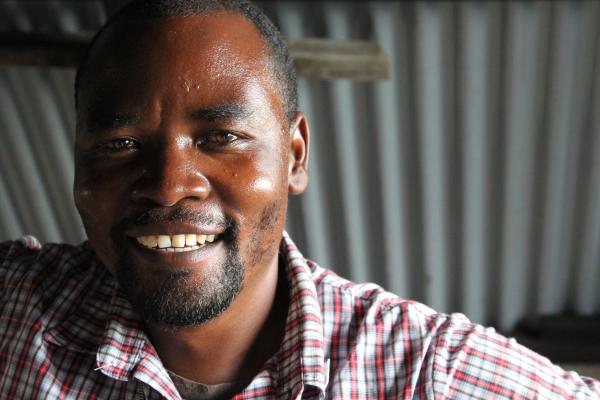
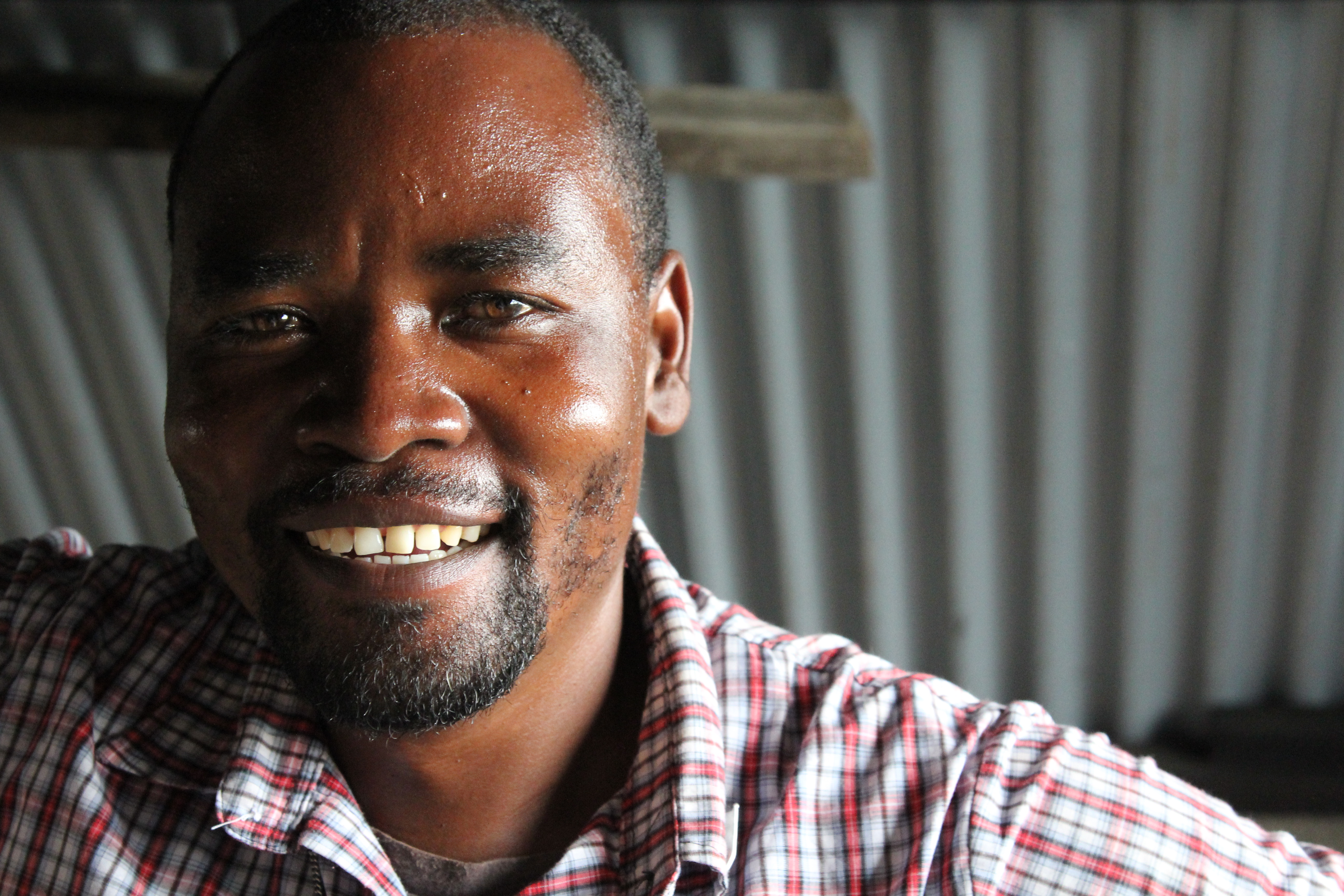
In Goma, the epicenter of Congo mayhem, where corruption and poverty thrive, Fidel Bafilemba embodies the courage to challenge the norm of his home country.
“That’s me—the disorder of this country, but also the hope for a better future. A hope for an educated people. That’s me. Fidel Bafilemba, activist.”
Working for peace in his hometown has been a journey of transformation—Fidel is a militia member turned peace activist. In the midst of chaos, Fidel manifests hope—a hope for a better future where he, his family, and his community can make self-determined decisions for prosperity and reconciliation.
His struggle is to bring to fruition God’s “kingdom come,” even amid the mayhem of his environment, “for the kingdom of God depends not on talk but on power.” (1 Cor. 4:20).
When others see destruction, poverty, and war, Fidel envisions the future of his people. It is a future of a Congo lush with natural resources and beauty that benefits, rather than destroys, communities. That’s why Fidel refuses to accept impunity and injustice, and seeks to empower others to question and ask, “why?”
“Why don’t we have roads? Why don’t we have education? Why don’t we have, why don’t we have?”