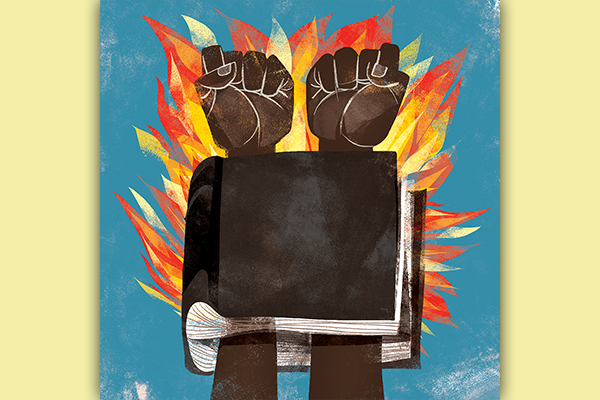
THOUGH OTHER COUNTRIES have banned books, enforced strict censorship, and created structural barriers to education, the U.S. has a unique history of anti-literacy laws targeting Black people. During the years leading up to the Civil War, several states enacted harsh laws making it illegal for African American people, whether enslaved or free, to learn to read, to write, or to own books. These reactionary laws were rooted in a fear that literacy—especially the ability to read the Bible—would lead to violent revolt.
Layle Lane was a 20th-century educator, activist, and community organizer and a close friend of my paternal grandmother. Lane’s father, Rev. Calvin Lane, a Congregationalist minister who died in 1939, wrote about his family’s struggles and triumphs in their pursuit of literacy; his account is stored in the Howard University Layle Lane collection.
Read the Full Article