Scandal
In an attempt to make sense of the 2012 election and the unfolding David Petraeus sex scandal, I consulted the Bible and the Sayings of the Fathers, a collection of sage rabbinic teachings written between 200 B.C. and 200 A.D.
Turns out the ancient perceptions about politics and ethics are as insightful today as when they were first uttered.
I am appalled when clergy of any religion endorse candidates by name in the run-up to an election. Priests, ministers, rabbis and imams, of course, have every right to vote for any particular person they choose, thanks to the secret ballot. The clergy also have the right — indeed, the obligation — to discuss and debate the critical issues facing society. But religious leaders err and undermine their own authority when they publicly call for the election or defeat of a specific individual.
Last month “Pulpit Freedom Sunday” was sponsored by a group called the Alliance Defending Freedom. Nearly 1,500 Christian ministers openly backed various candidates as they tested the U.S. tax code, which forbids non-profit organizations (including houses of worship) from speaking out for or against political candidates. Such actions endanger their tax-exempt status, but the ADF sees that restriction as an incursion on freedom of religion and speech.

First, we had CIA Director David Petraeus being held over the fire for a possible affair with his biographer, Paula Broadwell. Then General John Allen, the top-ranking U.S. Commander in Afghanistan, drawn into the drama as allegations of indiscretions of his own with Jill Kelly (the credibility and severity of which remains to be determined), who also is linked to Ms. Broadwell and the related Petraeus drama. Then there’s rumor of FBI agents sending shirtless pictures of themselves to women and … anyway, you get the idea.
As if all of that wasn’t weird enough, now there’s the matter of Kevin Clash, inventor of and voice for Sesame Street’s Elmo, being accused by a young man of having an illicit relationship while the accuser was underage. The man has since recanted his claim, but not before Clash admitted to a consensual encounter with the accuser when he was of legal age, if just barely.
Why do they do it?

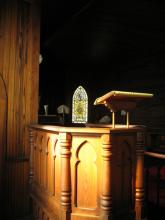
Were I one for object lessons I’d have brought a nice sharp axe with me into the pulpit today. Because it’s only once in awhile that we get to hear Jesus talk about brutal self-mutilation as a sign of discipleship.
Growing up I was terrified of those verses in Mark’s Gospel that we just heard – the ones where Jesus suggests that if your hand causes you to sin cut it off, and if your foot causes you to sin hack that off too, and if your eye causes you to sin gauge the sucker out. I remember the summer I was 11 years old when I stole candy from KMart and then hid it in the heat duct in my room. And I remember hearing this passage soon after that and thinking how my hand had indeed caused me to sin. And then and there I decided to never steal again lest Jesus insist I hack off my own limbs.
The problem, of course, is that my hand has never caused a darn thing. My eye doesn’t cause me to sin. My foot can’t be held accountable for my missteps. If you want to find the culprit behind my sin don’t look at my hand. Look at my heart. My poor feet just do what they’re told.
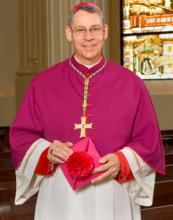
Finn, leader of the Diocese of Kansas City-St. Joseph and an outspoken conservative in the American hierarchy, was convicted of a single misdemeanor count for not telling police that one of his priests, the Rev. Shawn Ratigan, had taken hundreds of lewd images of children in Catholic schools and parishes.
But even as he became the first U.S. bishop ever convicted in criminal court for shielding an abusive priest, Finn’s standing inside the church appears uncertain, and the subject of intense debate.
Should he stay or should he go? Finn has indicated that he wants to tough it out.
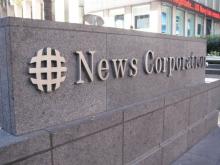
The Church of England has sold its $3 million worth of shares in Rupert Murdoch's News Corp. due to concerns about the company's ethics.
Eight News Corp. journalists have been charged by British authorities in connection with a phone-hacking scandal. They are accused of hacking telephone lines belonging to celebrities, politicians, law enforcement officials and crime victims; bribing police officers and paying private investigators for illegally obtained information.
"The Church of England was not satisfied that News Corporation had shown, or is likely in the immediate future to show, a commitment to implement necessary corporate governance reform," the church said in a statement on Tuesday (Aug. 7).
The church also said it was concerned that Murdoch is both chairman and chief executive of News Corp.
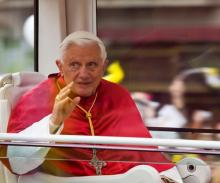
Nearly lost amid ongoing reports about the Vatican leaks scandal, Rome’s battle with American nuns, the American bishops’ battle for religious freedom, and the priest on trial in Philadelphia, was the news that, by the way, Pope Benedict XVI plans to visit Philadelphia.
Benedict made the announcement at the end of his visit to Milan on June 3 for the church’s triennial World Meeting of Families. The next meeting would be in Philadelphia in 2015, he said, and he planned to be there, “God willing.”
True, the trip won’t happen until 2015, and it may well not happen at all — Benedict would be 88 by then. Even if there's a new pope in 2015, the City of Brotherly Love is still almost assured of getting a papal visit — new popes like to underscore continuity, and respect the plans their predecessors had in place.
In a larger sense, the visit would be about more than promoting family life, and in many ways it's related to other Catholic issues now dominating the headlines. Here’s why.
This video clip by The Work of The People is going to upset a lot of people.

The Catholic church is reeling from the several sexual abuse allegations that have come to light over the past three months. Downplaying the severity of this scandal will only further damage the already beleaguered church's image and credibility. Many in the media blame Pope Benedict XVI for the mismanagement of the sexual abuse crisis.