church sanctuary
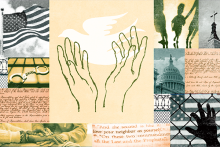
“WE ARE FULL of fear, but we are not helpless,” said Giselle, a 40-year-old living in a mixed-status immigrant family in Chicago. “We have the power of God, the power of the church, and the power of the Holy Spirit on our side,” she said. (Sojourners is withholding Giselle’s last name due to her sensitive immigration status.)
Giselle is the mother of two children who are U.S. citizens. She is long settled in Chicago, having arrived two decades ago from Michoacán, Mexico. She lives in a three-bedroom apartment in Chicago’s Little Village — known as the “Mexico of the Midwest” or “La Villita” by locals — and works as a bookkeeper and worships at a local Pentecostal church where, she told Sojourners, there are other immigrants without permanent legal status singing next to her on Sundays. She volunteers and donates to local charities and generally tries to be a good neighbor — offering her time, talent, and treasure to others in her little corner of Chicago. Giselle said she has built her life in the U.S. and that her adolescent children know nothing else. “We are proud to be Mexican American, to live life here and be part of this community,” she said.
Like thousands of others across the U.S., Giselle and her family do not know how the Trump administration’s stated mass deportation policies will play out. But as policies are put in place and enforcement efforts ramp up, questions keep running through Giselle’s mind: How will I protect my family? What will happen to my immigration status? How will I be able to seek safety in the U.S.? “These are just some of the questions that handicap my ability to live,” she said.
As the Trump administration continues to implement its mass deportation plans, a swirling vortex of pain, fear, and uncertainty dominates the conversation among immigrants and faith communities across the nation. People of faith are responding with hope, resilience, and a steady resolve to be the best neighbors they can be to immigrants in need.

As we enter a second Donald Trump presidency, the stakes could not be higher for undocumented people and asylum seekers in this country. Having promised mass deportations to a degree never attempted in the United States, President-elect Trump’s new border czar, Tom Homan, has signaled that the administration’s cruelty will begin in my backyard — Chicago. What he might not be counting on is organized resistance from labor, faith, and immigration leaders that will attempt to thwart these plans.
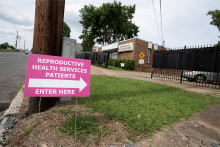
Now that federal abortion rights have been struck down by the Supreme Court in Dobbs v. Jackson, we need a new sanctuary movement that takes seriously the threat posed by the criminalization of abortion and acts to care for those seeking it.

Last month, a 10-year-old undocumented girl who was traveling by ambulance to a hospital in Texas was stopped by Border Patrol agents who then trailed her to the hospital, guarded her during gallbladder surgery and then took her into custody. She was released 10 days later after a national outcry.

“Even if you’re not a Christian,” Leupold said, it should concern everyone “that we have moved to proto-fascist, race-based decision making.” As much as he sees Trump’s enthusiasm for deportation as a universal source of disquiet, Leupold said that Christians, in particular, should feel compelled to act in light of the Bible’s clear message: “Jesus said, ‘go out and love one another,’ he didn’t say, ‘go and seek racial purity in your community.” The parable of the Good Samaritan, he noted, didn’t include a section where “the Samaritan went up and checked the ID of the guy laying by the side of the road.”
As Injured Vets Return Home, Churches Reach Out. Occupy Wall Street Gears Up For The Big Day. Faith Overtones In Occupy Protests But Leaders Wary. OpEd: How The First Amendment Got Hijacked. Religious Groups Offer Help To Evicted Protesters. OpEd: What Happens When A Seminary Is Occupied? Religious Voices Loud And Clear At Keystone XL Protests. Iowa Scientists Ask Candidates To Acknowledge Climate Change. And Below The Line: Portraits Of American Poverty.
When I first heard the announcement to rise for "the presentation of the colors," I didn't understand what that was.