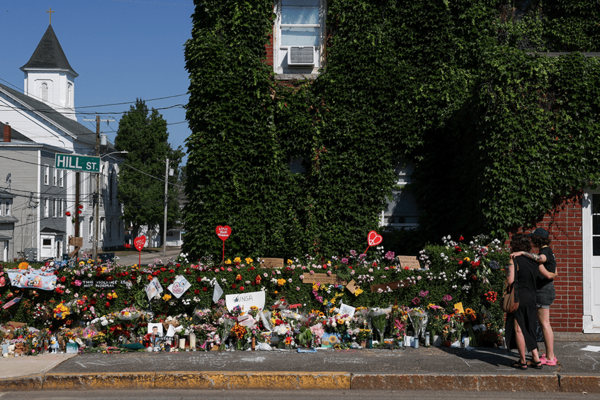
Bee Moorhead was surprised by the turnout at a July 7 press conference in San Antonio, calling for free and fair elections. The event was simple: a group of clergy, standing in front of San Fernando Cathedral on the city’s Main Plaza, announcing their intention to ask individual lawmakers to sign commitments to defend constitutional voting rights. Important work, she knew, but not usually the stuff of headlines. Moorhead has been organizing clergy around the state as executive director of Texas Impact for more than 20 years, and she said she’s accustomed to being all but ignored by the media and everyone else.
“Faith leaders all over the country, and certainly in Texas, keep speaking up and what comes back is, ‘Why aren’t you saying anything?’” she said. But suddenly, there were microphones and cameras. People were listening to what the group of interfaith pastors, imams, rabbis, and priests were saying about the need to protect voting rights. Something was changing.
Moorhead had launched the policy initiative and called the press conference in coordination with national interfaith organizing group Faith In Us, which formed after clergy from multiple faiths in Minneapolis and St. Paul took a visible role in the resistance movement during Operation Metro Surge. In January, when Immigration and Customs Enforcement was overwhelming the Twin Cities, clergy there began to call for sustained national mobilization of their peers. Faith leaders invited colleagues from around the country to come and train with community organizers and unions in Minneapolis.

I’ve noticed a new trend among evangelical Christians: They’ve been recording themselves as they preach on airplanes. In each video, the evangelist rises with the chime of the seatbelt sign to address the whole plane. “You know, San Diego is known for the beautiful landscapes, right? And the perfect weather?” says one woman named Whitney Lynn in a video she posted to TikTok. “But I want to tell you who is so perfect and so beautiful, better than anything in this life, is knowing Jesus Christ personally as Lord and Savior.” Smiling from ear to ear, the evangelist returns to their seat knowing that they stood up for the gospel and did their part for God’s kingdom.
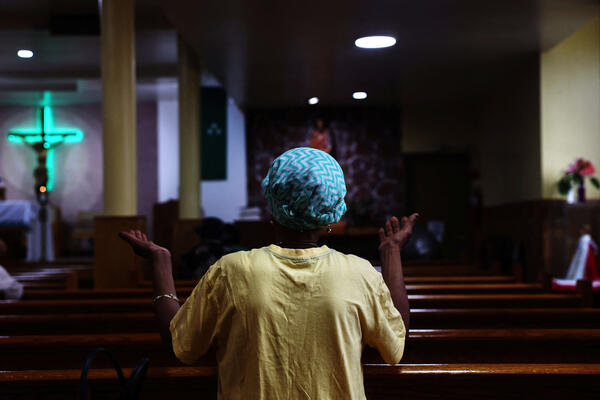
Hundreds of thousands of Haitians in the U.S. are living in uncertain times. On June 25, 2026, the U.S. Supreme Court ruled that the Trump administration could proceed with a plan to end Temporary Protected Status—a federal program that allows people to stay in the United States when the government considers their own country unsafe—for around 350,000 Haitians and 6,000 Syrians. Their work permits are scheduled to end July 24, leaving TPS holders at risk of deportation.
This uncertainty is not new. In 2010, President Barack Obama granted TPS to Haitians living in the U.S. after an earthquake killed approximately 200,000 people in Haiti. The original period was 18 months, but TPS has been renewed multiple times because of humanitarian concerns, gang violence, and political unrest.
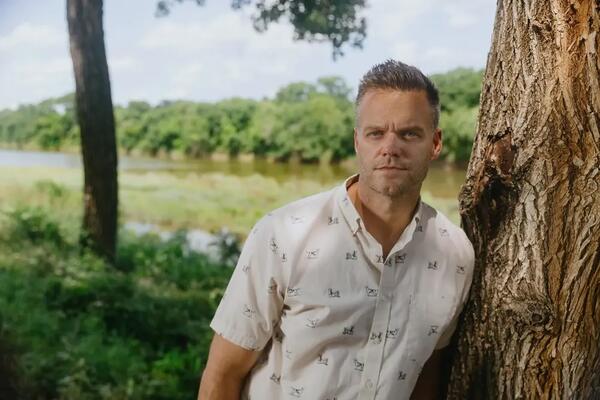
Matt Long stood before the Granbury City Council at an April zoning meeting to oppose the influx of proposed data centers in Hood County, likening them to a spiritual abomination.
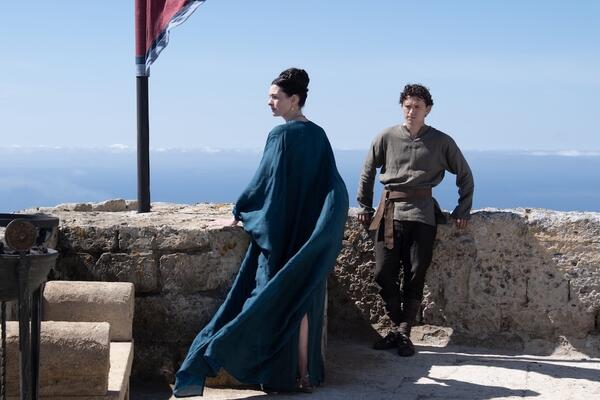
Last week, we were proud to publish Georgia Coley’s review of Christopher Nolan’s newest epic: The Odyssey. In it, Georgia notes that the film’s frequent use of “Zeus’ Law” has a lot in common with the biblical Golden Rule.
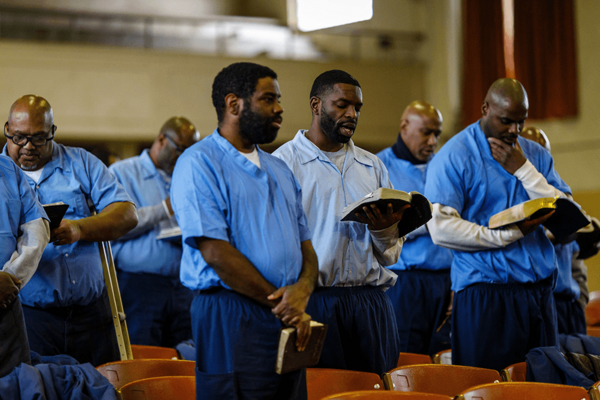
While each of the nearly 2 million incarcerated people in the U.S. has their own story, they all share one experience: losing access to their neighbors on the outside.
The majority will be released after their sentences are served, but an atrophied social life and the stigma of incarceration mean they face a long uphill battle to take care of themselves, much less fully rejoin society. Christians have long stepped into this gap, many seeking to live out Jesus’ parable in Matthew 25 and visit those in prison. In the era of mass incarceration, religious volunteers visit incarcerated people to bridge the gap between them and life outside.
In March, Families Against Mandatory Minimums, a nonprofit devoted to fighting unjust prison policies, launched its “Visit a Prison” campaign, urging lawmakers and faith groups to visit their local prisons, including a guide for people interested in getting involved with incarceration ministry.
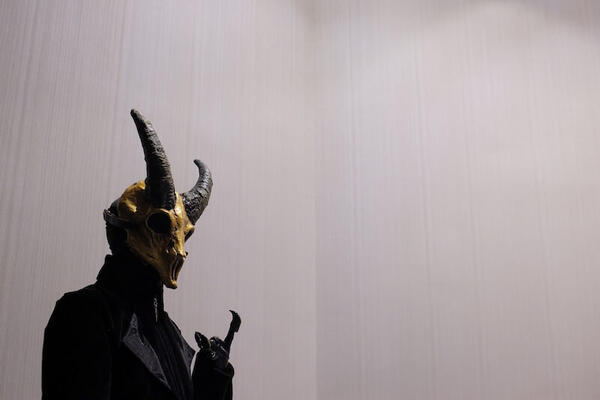
“Professor Shannon, do you not believe in the devil?” I had a decision to make. Was I supposed to uphold my sacred pedagogical ideal of neutrality? Or should I give her honesty? “Isn’t it obvious?” I replied.
Some students seemed relieved. Perhaps my answer gave them permission to question beliefs they had inherited without ever examining them. Most, however, were disappointed—if not openly defiant. They retorted with Bible verses mentioning Satan, presenting them as airtight proof that the devil does exist. I left each class genuinely perplexed. Why does our culture so desperately want to hold on to the devil? Further, why do we seem to need devils at all?
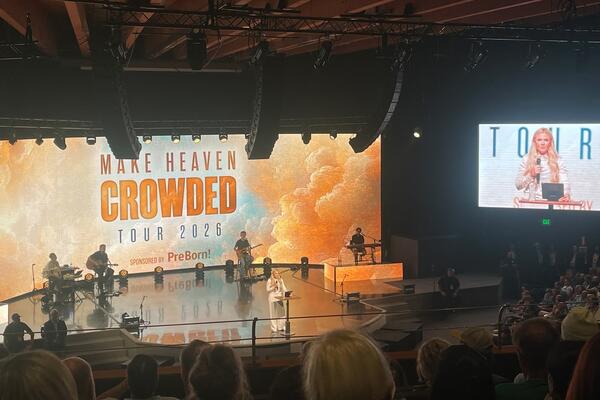
Jesus Christ was spotted in Kirkland, Washington, Friday night among about 100 protesters outside the Turning Point USA (TPUSA) event at The Pursuit Northwest megachurch, where Erika Kirk, Charlie Kirk’s widow, was the headliner.
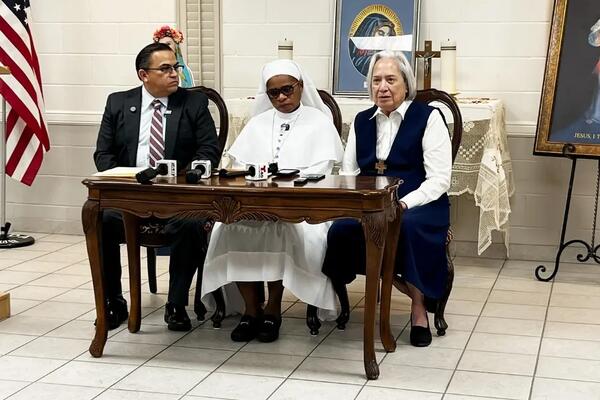
The South Texas nun who was detained by immigration officers last month spoke publicly for the first time since the incident and as her future in the country remains in limbo.
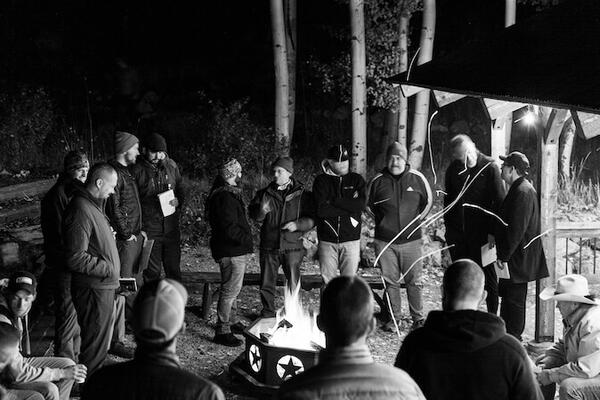
Tap, tap, tap. I rap my knuckles against the glass pane.
A young man opens the sliding door, his shoulders fill the door frame as he raises his eyebrow at me. I was not invited to the party, and even worse, I had beef with some people present—the man with the furrowed brow included. The greeter turns his head to shout toward his friends, maybe to announce that an uninvited guest has appeared, or to call out for help. Who knows.
I came for one purpose. I grab the handle of the door and lean back for leverage, my weight shifting. I lunge forward and land a blow right on his unsuspecting chin. He falls back onto a table behind him, where it collapses from his weight. No introductions needed. I walk in.
I was 20-years old then. I am now 36.
This story from my past is one of many marked by regretful acts of violence, revelry, and a restless search for purpose.