According to a new study by Hartford Seminary called Faith Communities Today, U.S. congregations are less healthy than they were 10 years ago.
From slimmer attendance rates to rising conflicts and stagnant spiritual vibrancy, the dawning of a new decade marked a time when, for many faith communities, the worship culture of yesteryear has continued to fall farther into decline.
Rick Perry was recently asked by a nine-year-old "If you were a super hero, what kind of super hero would you be?" His answer to the child's benign question was simultaneously predictable and profound: Superman.
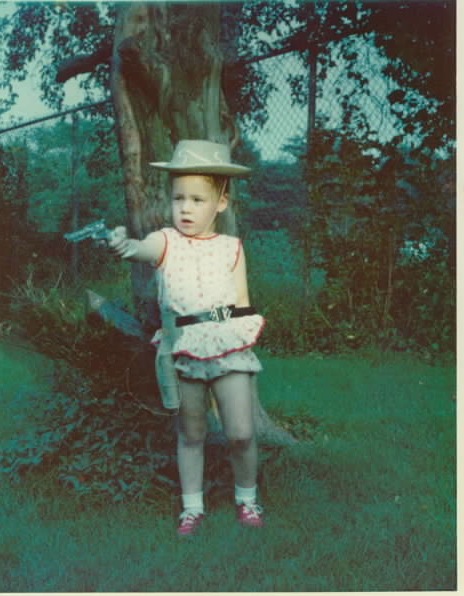 They call me ..."God Girl."*
And I'll be your new tour guide here at God's Politics.
Some of you may know me by my more official byline, Cathleen Falsani. I've been a contributing editor and columnist for Sojourners Magazine for several years now, writing a column every other month called "Godstuff" and also have contributed from time to time to this'a'here blog.
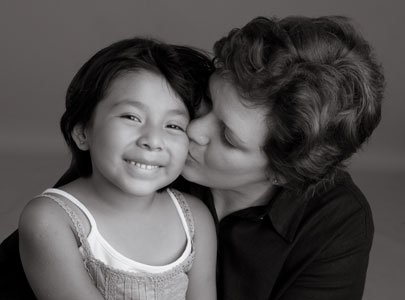 Could my mission really be confined to seeking the best for the children to whom I gave birth? Or, as a Christian, should I define "family" more broadly? I'd see images of women and children suffering around the world, and those puzzling verses returned to my mind. Maybe, instead of obsessing over the happiness of my babies, I should stick my head out of the window, so to speak, look around, and ask, "Who is my family?"
It didn't feel right to simply shrug my shoulders and blithely accept my good fortune as compared to that of people born into extreme poverty. I'd buy my kids their new school clothes and shoes and then think of mothers who did not have the resources to provide their children with even one meal a day. I'd wonder: what's the connection between us? Does the fact that $10 malaria nets in African countries save whole families have anything to do with my family buying a new flat-screen TV? Should it? Is there any connection between me, a suburban, middle class mom, and women around the world?
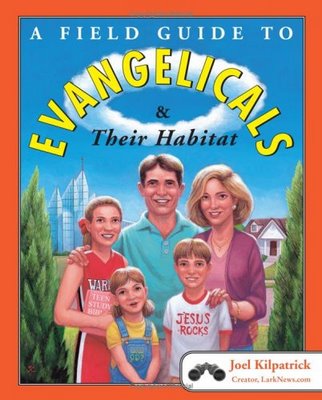 Most of my friends knew evangelicalism only through the big, bellicose voices of TV preachers and religio-political activists such as Pat Robertson, the late Jerry Falwell and James Dobson. Not surprisingly, my friends hadn't experienced an evangelicalism that sounded particularly loving, accepting or open-minded.
After eschewing the descriptor because I hadn't wanted to be associated with a faith tradition known more for harsh judgmentalism and fearmongering than the revolutionary love and freedom that Jesus taught, I began publicly referring to myself again as an evangelical. By speaking up, I hoped I might help reclaim "evangelical" for what it is supposed to mean.
 I say a ceasefire can and also ought to mean that we will hold our peace, hold our tongues, intentionally muzzle ourselves, become mute in a discussion that can much too easily descend into verbal warfare. Often, when we are quiet in the face of verbal attack, the argument does not escalate into something that all parties involved will regret.