Writing for The Atlantic, Derek Thompson takes a look at what the President's tax plan actually does:
"In the long run, historically low tax rates for the "bottom" 98 percent aren't sustainable. For President Obama, demanding higher taxes on rich people is the easy part. Three in five people told Gallup that "upper-income people" were paying too little in federal taxes, Molly Ball reported. The hard part is facing up to the long-term reality that historically low tax rates on 98 percent of Americans is no way to pay for historically high entitlements for 100 percent of Americans."
Learn more here
For more than a year, Prudhomme’s Lost Cajun Kitchen in Lancaster County, Pa., has offered a Sunday special: Diners who bring in a current church bulletin receive 10 percent off the purchase of their dinners.
But the promotion rubs some people the wrong way, including John Wolff an atheist and member of the Freedom From Religion Foundation.
Wolff, a Lancaster resident who said he's never been to Prudhomme’s, recently filed a complaint with the Pennsylvania Human Relations Commission claiming the 22-year-old restaurant should not give discounts based on religion. “I bear them no ill will," he said, "but they shouldn’t be pushing religion."
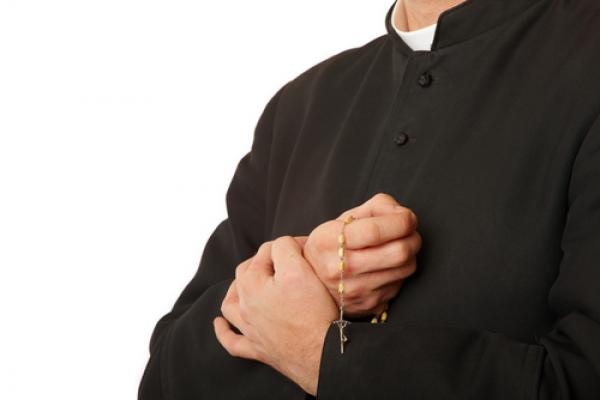
Most members of the clergy are taught to put the physical and spiritual needs of others first, but that self-denial may be harmful to their own health, according to a new Duke University study.
Studies of United Methodist pastors in North Carolina found high rates of chronic disease and depression, and researchers worry it can be difficult to convince clergy to seek help.
To address these unique problems, Duke Divinity School's Clergy Health Initiative developed a program to provide preventative care in a spiritual context.
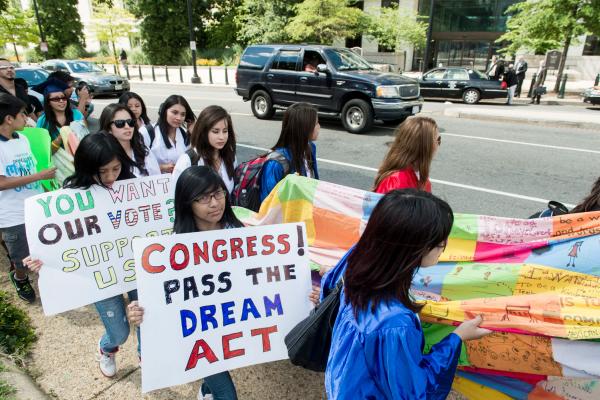
Spending time with family last week caused me to reflect on what it means to be an American and what it means to be family. I spent the evening of July 4th back home with family, half of whom are not U.S. citizens. We watched fireworks blast off above the Allegheny River in the hills of northwestern Pennsylvania—the place I grew up, and the place I will always call home.
But my life story actually begins in a country outside of the United States.
When I was a very young child, my parents decided a better future would likely be afforded for me in the U.S. Before an age when I could comprehend the situation and without my given consent, I was brought across the border into the United States.
I am a foreign-born, U.S. citizen who was adopted as an infant.

After writing up my first list of Ten Cliches Christians Should Never Use, some folks wrote me with other suggestions. After simmering on it for a while, I came up with a second list of ten to supplement the first.
And as there was some confusions from a handful of fellow Christians about the intent of the articles: these are not intended to tell you to believe or not believe a certain set of things. Christians have a Public Relations problem; that much is self-evident. So in as much as I can respond to that, I want to offer these as advice on how to change the way we approach people about our faith.
On to the next ten cliches for Christians to avoid …
Last week was the first time I have ever been called a “poverty pimp” in front God and everyone—in public. It certainly got my attention!
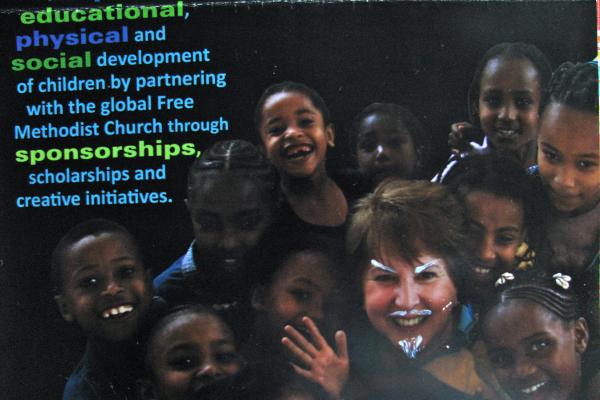
As Director of International Child Care Ministries, I straddle two worlds—the America I call home and the 30 countries where our sponsored children live. I travel back and forth between these two worlds several times a year and experience the stark contrast between my world and theirs.
Here in the U.S., part of my responsibility is to advocate for the children at conferences, churches, and other venues. Last week at an event I had my display set up, 20 kids’ faces looking out from their brochures, silently imploring conference attendees to choose them and become their sponsors.
My accuser was an eloquent professor of African American Studies. He is offended at groups like mine who apparently profit off Africa’s poverty and perpetuate an image of Black helplessness. He is concerned that African American children who view pathetic images of hungry kids on TV internalize a sense of racial inferiority. And that’s not the half of it.
According to the Atlantic Cities, lawmakers in North Carolina have chosen to ignore studies that show sea levels are rising faster than previously expected in favor of developing new housing along the coast.
According to the rerport, state Rep. Pat McElraft, a not-scientist, said in a floor debate that the state should assume sea levels will rise at the same rate they have in the past: 8 inches over the past century.
From Kelly Henderson's Switchboard blog post:
"The scientific findings that North Carolina coasts will likely experience a 39-inch sea-level rise created quite a stir and were challenged by NC-20, a coastal economic development group, who cited flaws in the research. The group fears losing dollars if coastal planning begins now to prepare for the 39-inch rise since over 2,000 coastal miles will become restricted to development."
And, from Mr. Colbert, on N.C.'s logic in only considering historical data:
"If we consider only historical data, I've been alive my entire life. Therefore, I always will be."
Sandi Villarreal is Associate Web Editor for Sojourners. Follow her on Twitter @Sandi.