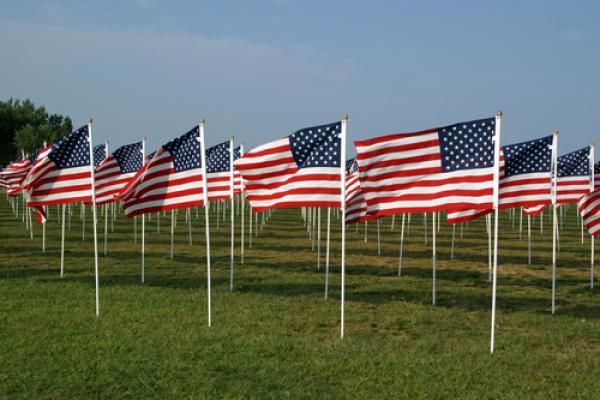
My children don't remember.
I mean, the younger children in my church don't remember. It was eleven years ago. The oldest of them was six when the towers were destroyed and we went to war. I'm wondering how I talk to them about it. I wonder how I tell them the story without subjecting them to the trauma so many people experienced that day.
So, no video footage. No point in giving the kids nightmares. I'm just going to talk about how many kinds of religions there are in the United States. No longer simply a liberal posture, it's an issue of national security, no? If we want to be at peace with our neighbors locally and globally, we need to understand them. We need to have something to work with, some kind of conecpt of how they live.
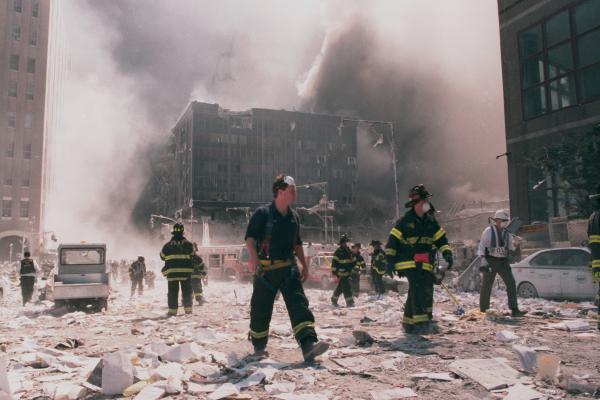
Good and gracious God,
Today we come before you with heavy hearts
as we remember the events of 9/11.
For some of us today is a mixed bag of emotions.
We hurt deeply for those who lost their lives
and those who lost their loved ones.
We mourn the nearly 3000 who died that day.
We are humbled by the bravery of the first responders.
We continue to grieve with our neighbors
in the loss of our national innocence -
our false sense of constant safety.
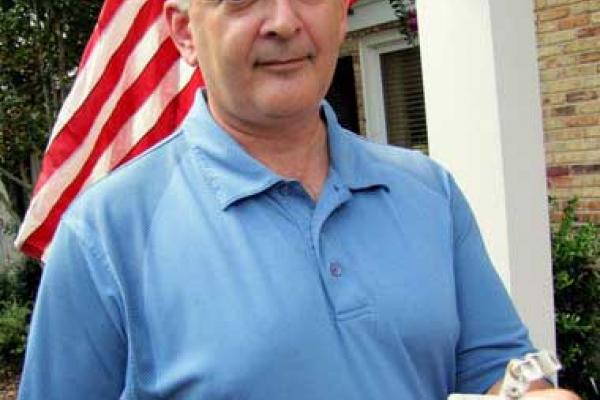
Out of the chaos, to the rhythm of the Lord’s Prayer, John Mahony, a retired U.S. Army colonel who was managing projects for Blue Cross/Blue Shield, sensed something that reminded him of when his mother would wrap him up as he’d climb out of a cold swimming pool, and he would be held, safe and warm, in loving arms.
“As I walked down that stair, somewhere between the 12th floor and the 10th, somewhere between ‘Our Father’ and ‘Thy will be done,’ that same feeling came over me," Mahony said. "Suddenly, I was wrapped in warmth, and love, and comfort. In that smoky, wet stairway, in a burning building, surrounded by a thousand frightened people; I felt wonder. I felt God’s peace, and I knew that regardless of the physical outcome, everything would be all right.”
In September, 2003, I wrote a piece for Sojourners magazine on the "Project for the New American Century," a neo-con organization to which a number of key Bush administration officials had belonged, including Vice President Richard Cheney and Defense Secretary Donald Rumsfeld. In its grand plan for the future, released in September 2000, it urged a “transformation” of the American military into a robust global presence capable of fighting multiple wars, with a network of bases in critical regions around the world. But, the report said, this transformation was "likely to be a long one, absent some catastrophic and catalyzing event—like a new Pearl Harbor."
From its beginning, the project was obsessed with Iraq.
Only days later after the catastrophic 9/11 attacks, the Project released a letter arguing that "even if evidence does not link Iraq directly to the attack, any strategy aiming at the eradication of terrorism and its sponsors must include a determined effort to remove Saddam Hussein from power in Iraq."
Now it seems that strategy began well before 9/11. In a New York Times op-ed this morning, author Kurt Eichenwald wrote of the series of briefings the Bush White House received from the CIA in the spring and summer of 2001, all warning of an attack to come.
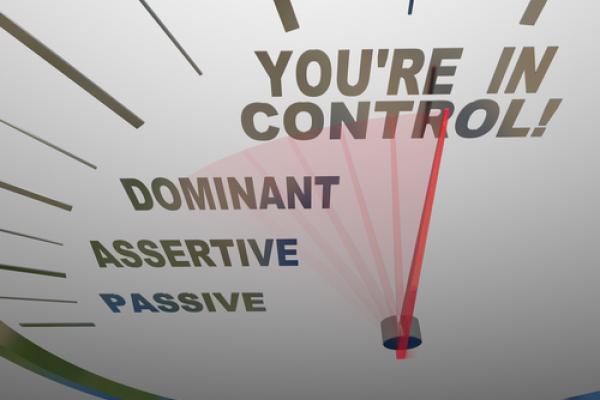
As baby boomers start clicking the senior citizen box on travel fares, I want to say a word to my generation and to the one that preceded us.
It is time for us to get out of the way.
I don't mean easing into wheelchairs. For the most part, we're way too healthy and energetic for that. I mean the harder work of relinquishing control.
I see that need most clearly in religious institutions, where I work. But I see it elsewhere, too, from taxpayer "revolts" led by seniors against today's schoolchildren to culture wars that we won't let die.
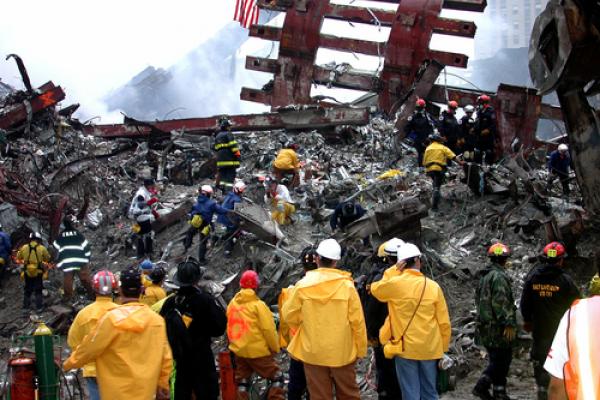
I was home sick on Sept. 11, 2001. Amy had left for her grad school classes, so I was a little bit annoyed when she burst back in and woke me up.
“Turn on the TV,” she said. “Something bad is happening. Really bad.”
While watching the replayed video of the plane colliding with the first tower, the second tower attack came. And then there were the reports of similar attacks at the Pentagon and in Pennsylvania. At that moment, we had no idea when the bad news would stop coming. My first thought was for those loved ones I have in bigger cities, praying that they would not find themselves in harm’s way.
We watched the reports in silence for a few hours, trying to sort out what had just happened. Of course, there were no certainties about the attacks being over, but by now all planes had been grounded, and the American military was on high alert.
“I’m not sure how much more of this I can watch,” I told Amy, realizing it was nearly noon, and I was still sitting on the couch in my underwear. “We should try and do something.”
“Everything is closed,” she said. “Churches will probably have prayer services later, but not until tonight.” The zoo was the only thing we could find that was still operating, so we decided to go spend some time among some less self-destructive animal species. We settled by the gorilla habitat, where one lazy silverback leaned against the other side of the glass, just inches away from us. Though they usually tend to turn their backs to human observers, he was staring right at us. He seemed to be just on the verge of speaking:
What the hell is the matter with you people?

Among my must reads are the Sunday New York Times Book Review and other book reviews I come across in various media outlets. There are too many books being published that I would love to read, but just don’t have the time. So, I rely on reading book reviews as one way of keeping in touch with what’s being written.
Here are my picks of this week’s books.
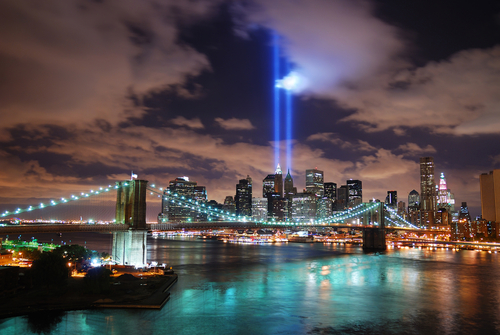 Eleven songs in memory of 9/11 from Bruce Springsteen, Neil Young, Suzanne Vega, Moby and Sinead O'Connor, Mark Knopfler and Emmylou Harris, Leonard Cohen, Tori Amos, John Hiatt, U2, and Hunter Parrish (from 2012's Broadway revival of "Godspell").