Blessed are the peacemakers, for they will be called children of God (Matthew 5:9). As followers of Jesus, this beatitude from the Sermon on the Mount offers a moral compass for how we treat our neighbors, including those in other nations. Jesus isn’t calling us to be passive; he’s calling us to actively make peace. I’m reminded of the Hebrew and Greek words for peace, shalom and eirene, which evoke a sense of repair or a “setting right” of what is broken. Jesus modeled this active pursuit of peace in his own life. Born into a community occupied by violent, imperial powers, Jesus rejected the logic of might-makes-right and instead ushered in something more powerful: God’s promised reign of justice, righteousness, and love. Today, that kind of restoration often requires combating the fear, hatred, hubris, and greed that so often undergird conflict.
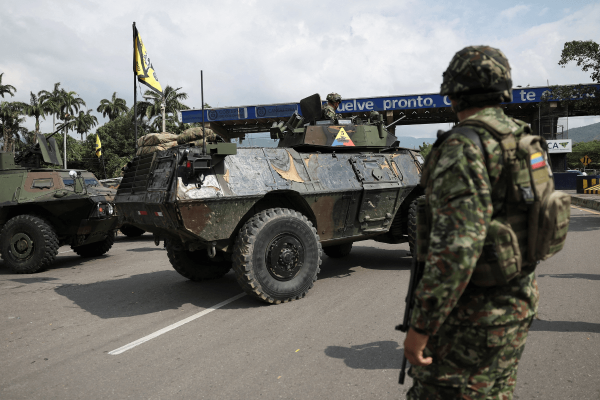
Jesus’ call to be peacemakers feels especially urgent given that this year began with a literal bang: On Jan. 3, the Trump administration launched a military assault on Venezuela to abduct and arrest President Nicolás Maduro and his wife, Cilia Flores. At least 80 Venezuelans were killed by an attack that did not have congressional approval, violated international law, and set a dangerous precedent for a presidency characterized by extending and imposing U.S. power and influence on other countries through military force. Most significantly for us as Christians, the administration’s actions in Venezuela signal a further U.S. retreat from a commitment to protect human dignity, freedom, human rights, and peace.
Read the Full Article