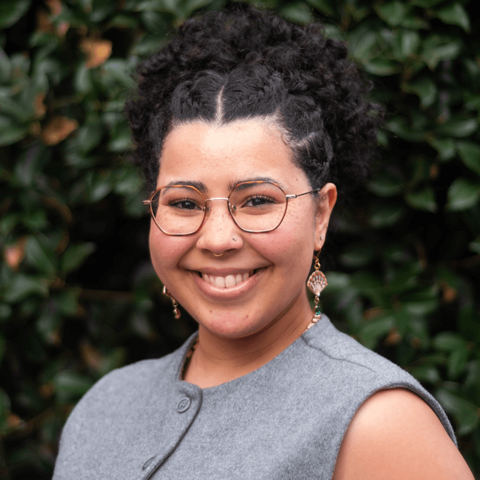
Evana Upshaw is the editorial assistant for Sojourners. Before earning her Bachelor’s in sociology from Morgan State University in Baltimore, Evana spent time as a journalism major and biblical and theological studies minor at Biola University. She was an opinions writer and editor for Biola’s student newspaper, and has written for Faithfully magazine and the Institute for Islamic, Christian, and Jewish Studies.
She most recently earned a Master’s in Social Sciences from the University of Chicago, where she specialized in topics surrounding the intersection of race and religion in the United States. Her studies and academic interests have covered white evangelicalism, white Christian nationalism, decolonization and liberation, and African American history. Throughout her studies and professional experiences, she has maintained her belief in the power of accessible education, illuminating injustice, community building, and collective resistance as powerful means to gain liberation for all oppressed peoples.
Evana dislikes being asked, “Where’s home?” The abridged version is: She was born in Chicago, raised in Minneapolis, and also holds California, Boston, Baltimore, and now Washington, D.C., close to her heart. Each transition has taught her to love and be loved by many people.
When she’s not rewatching Avatar: The Last Airbender or The Legend of Korra, you can probably find her goofing off with her younger brothers, maintaining her over 4-year streak on Duolingo (though she’s still unsure if this is a flex or evidence of a larger issue), dancing, reading, or eating a warm cinnamon roll.
Posts By This Author
Catherine Meeks Says Christians Need Solidarity, Not Racial Reconciliation
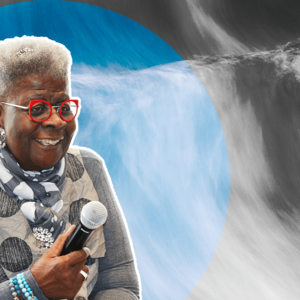
I was born into a church in Chicago that was founded by fathers of the “racial reconciliation” movement in American Evangelicalism.
Led by those such as the late John Perkins, racial reconciliation aimed to encourage primarily Black and white interracial relationships meant to reconcile people to each other and to God, in a post-Civil Rights Movement (but still deeply segregated) U.S. I was taught to understand reconciliation as a ministry, as Paul advises in 2 Corinthians 5, where Jesus bestows the “ministry of reconciliation” onto the church.
As I grew up, I found the concept linguistically and historically fraught—misguided at best and destructive at worst. Reconciliation among contemporary racial groups implies a historical moment of racial harmony; the U.S. has none. Whatever Perkins and others envisioned for the movement, white evangelicals and others began to bypass the need for actual systemic change in favor of emphasizing spiritual harmony and claiming that the only way to true racial unity is through Christianity.
10 Christian Women Shaping the Church in 2026
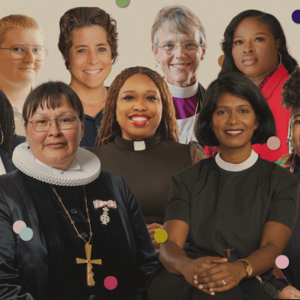
For the last decade, Sojourners has marked Women’s History Month by spotlighting women who embody the intersection of faith-rooted justice work. This year, our list includes women from many walks of life who fight for LGBTQ+ dignity, Black liberation and flourishing, Indigenous sovereignty, gun-violence recovery, immigrant rights, nonviolent resistance, and much more.