unmanned aerial vehicles
Sen. Rand Paul’s 13-hour filibuster last week against the administration’s drone policy brought a long-simmering debate to a full public boil. Although some have criticized him for “grandstanding,” the Kentucky Republican did all of us a favor. Issues and questions that had been raised primarily by progressive bloggers and peace groups are now in full public view and debate in the mainstream media.
The New York Times carried front page stories both days this weekend. On Saturday, it highlighted the growing opposition to drones from across the political spectrum, writing that Sen. Paul’s filibuster had hit a “bipartisan nerve,” and:
“… animated a surprisingly diverse swath of political interests that includes mainstream civil liberties groups, Republican and Democratic lawmakers, conservative research groups, liberal activists and right-wing conspiracy theorists.”
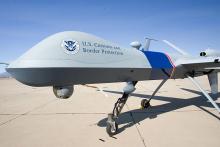
Since mid-November, the CIA had not launched a drone attack against Pakistan. On Sunday, the New York Times front page prominently featured a story headlined Lull in Strikes by U.S. Drones Aids Militants.
Quoting an array of administration officials, diplomats, intelligence analysts, and one “American government official with decades of experience in Pakistan;” the picture painted was one of a bolder al Qaeda, increased attacks on Pakistani security, and threatened strikes against U.S. troops in Afghanistan. It was a “sky is falling” account of the dire effects of no drones.
In my more cynical moments, I think such stories, almost entirely from anonymous sources, are a not-so-subtle way of applying political pressure. It’s one of the ways media and politics interact in Washington. And, sure enough, yesterday, the attacks resumed. Reuters reported that “missiles hit a home on the outskirts of the town of Miranshah in North Waziristan, killing at least four militants.” Recess is over, back to business.