Catholic Nuns Don’t Have to Comply with Medical Aid in Dying

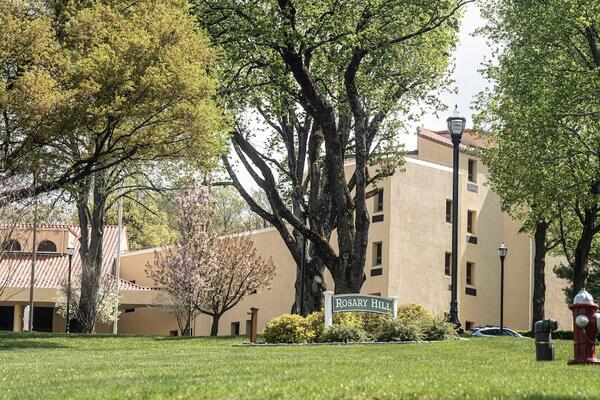
Rosary Hill Home in Hawthorne, photographed April 20, 20216. The Dominican Sisters of Hawthorne, who run the hospice, has sued the state of New York to challenge a recent law that requires nursing homes and other facilities like theirs to honor the choices of transgender residents in which sex they will room with and which bathrooms they will use.

Several Catholic nursing homes in New York, including two in Westchester County, wont have to comply with the state's newly-enacted Medical Aid in Dying Act while their lawsuit against it is underway.

Just days before the MAID Act went into effect on Aug. 5, U.S. District Judge Anne Nardacci ruled the four orders of Catholic nuns and several Catholic healthcare ministries currently suing the state over the new law dont have to follow it, at least for the time being.

While the laws implementation hasnt been stopped, those involved in the ongoing suit aren't required to provide information or counseling about medically assisted suicide, request documentation for it, assess or assist patients in qualifying, permit prescribing the related medication or self-administration in their facilities or make referrals for MAID under the July 30 temporary restraining order.

Cabrini of Westchester, a nursing facility run by the Carmelite Sisters in Dobbs Ferry that offers palliative care, and the Dominican Sisters of Hawthorne, who operate the 42-bed Rosary Hill Home in Hawthorne and offer free hospice care for terminal cancer patients who cant afford to go elsewhere, are part of the group of sisters challenging the new state law.

We at Rosary Hill continue our foundress intention to bring the healing spirit of Christ and His Church to those who are most in need while asking nothing in return, says Mother Marie Edward, O.P., Superior General of the Dominican Sisters of Hawthorne.

NY states decision not to enforce this law against us means that we can continue our loving service to Christ's poor, Edward added.

Heres the latest.

What is New York's Medical Aid in Dying Act?

MAID allows doctors to prescribe lethal pills to mentally competent patients who request them and are determined to have less than six months to live with no hope of recovery. While the bill was first proposed in Albany in 2016, New York Gov. Kathy Hochul approved the measure in February after the state Legislature passed it through last year.

New York was the 13th state to legalize medically assisted suicide for terminally ill patients. The following requirements need to be met in order to qualify for MAID, according to the state Department of Health:

  • A signed, written request by the patient with two witnesses.
  • An oral request by the patient must be recorded by video or audio.
  • Anyone who may benefit financially from the death of the patient is not eligible to serve as a witness to an oral request or be an interpreter for the patient.
  • The determination by an attending physician and consulting physician that the patient has a terminal illness or condition and has decision-making capacity.
  • The initial evaluation of a patient by a physician has to be in person.
  • A mental health evaluation of the patient by a psychologist or psychiatrist to determine their decision-making capacity has to take place.
  • The attending physician has to fully inform the patient of feasible alternatives and appropriate treatment options.
  • A mandatory waiting period of five days between when the prescription is written and filed.
  • The patient must self-administer the medication.

The law, which went into effect on Aug. 5, was applauded by Assemblymember Amy Paulin, D-Westchester.

Today is a truly historic day for New York, Paulin, who championed the bills passage, said.

Beginning today, terminally ill New Yorkers facing unimaginable suffering have the comfort of knowing they have one more compassionate option available to them, she added. This law is about dignity, autonomy, mercy, and respecting deeply personal end-of-life decisions.

Why was the Medical Aid in Dying lawsuit filed?

Filed in the Northern District of New York on July 17, the sisters are seeking to either not coerce religious providers in this way or block MAID entirely as they say it violates multiple parts of federal law—the First Amendment, Americans with Disabilities Act, Equal Protection Clause and Supremacy Clause—and will cause those who refuse to take part in it to face crippling fines, professional sanctions, and criminal penalties.

READ MORE: The Art of Dying

According to the lawsuit, the sisters say MAID forces New York hospitals, nursing homes and assisted living homes to potentially jeopardize their federal healthcare funding and calls the opt out among the narrowest in the nation as they say it doesnt apply to independent assisted living facilities like those run by the Benedictine Sisters.

However, the state Department of Health says participation is voluntary and the governors office says religious facilities and their affiliates can ban MAID from taking place inside their facilities, restrict their employees from being involved in it, and penalize any employees that do participate.

When asked about the recent ruling, Hochuls office referred back to a previous statement provided to the USA TODAY Network.

While we cannot comment on any pending litigation, under this historic legislation participation is entirely voluntary, and religious facilities have the right to opt out if they choose to do so, Hochul spokesperson Nicolette Simmonds said.

What this law does is allow terminally ill New Yorkers with less than six months to live to make a voluntary, informed decision, it reflects years of thoughtful planning and consideration, Simmonds added. The Department of Health is working on regulations that will implement the law thoughtfully and responsibly.

NY states decision not to enforce this law against us means that we can continue our loving service to Christ's poor. —Mother Marie Edward, O.P., Superior General of the Dominican Sisters of Hawthorne