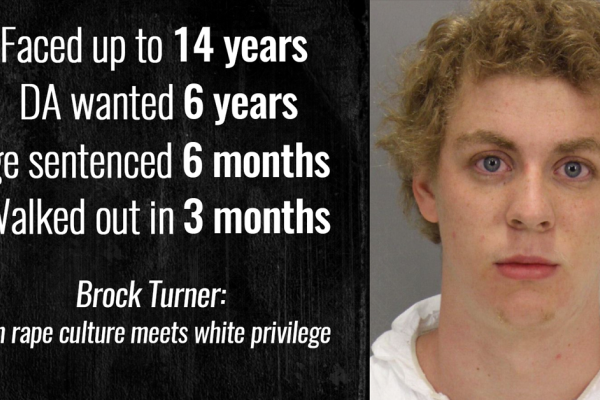
Brock Turner was released from prison on Sept. 2, 2016, three months into his six-month sentence for three counts of sexual assault.
His case has been a stunning, if not unusual, example of white male privilege. Rape is incredibly hard to prosecute, thanks to wide variance among states as to the definition of rape, reluctance to report and convict accused rapists, and social pressure to shame or silence rape victims.
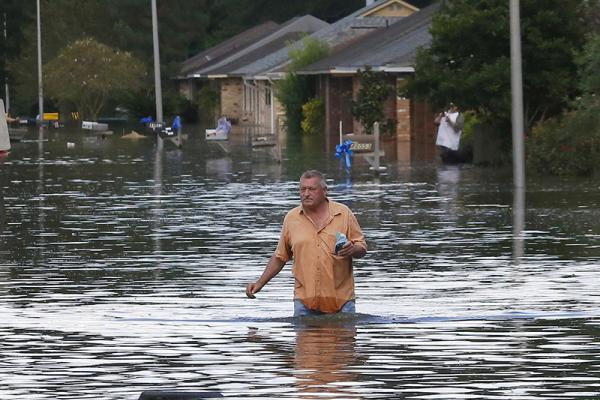
No matter where we are, the climate crisis is not far from home.
For some time it has largely been the world’s most vulnerable, in the global south, bearing the brunt of suffering and climate-induced devastation. Those who have the power to change things have so far all but ignored “the cry of the poor and the cry of the earth,” as Pope Francis wrote in his encyclical a little over a year ago.
But just this past month in the United States — one of the world’s wealthiest nations — we have seen historic droughts, unprecedented floods in Louisiana, and wildfires in California, killing many and displacing tens of thousands.

The National Museum of African American History and Culture, set to open Sept. 24, tells many stories of African-Americans of diverse faiths who have shaped U.S. history. Close to 10 percent of the 2,586 artifacts in its inaugural exhibitions are related to faith and religious history.
Rex Ellis, associate director for curatorial affairs, said the museum is essentially an intersection of uplift, spirituality and resilience.
“There is no way you can discuss, talk about or understand the African-American journey without understanding the very real role faith played in its history,” said Ellis, an ordained Baptist minister.
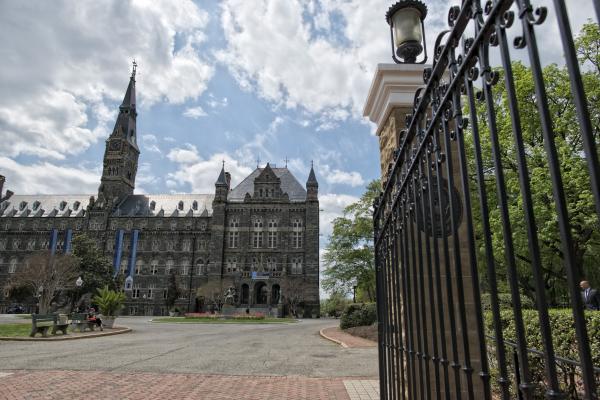
The continued use of the language of reconciliation around this news obfuscates the need for real, full-fledged atonement.
At a moment like this, while the nation watches Georgetown takes this opportunity to correct the sins of its past, white Americans must not demand reconciliation. We must take the work of atonement upon our own shoulders. To do otherwise is to live as if Jesus’ life were not a gift, but something God owed to us from the beginning.
3. The Mysterious Private Police Force That’s Killing People In The Nation’s Capital
“Special police officers like the two that killed Alonzo are not quite full police officers, but they’re more than security guards. They are a private police force, empowered to make arrests and carry guns. But because they work for private contractors and not public agencies, their actions are often shrouded in mystery.” (Bonus wrap! Watch: How can we trust that black lives matter to police?)
4. Weiner Didn’t ‘Humiliate’ Huma. He Humiliated Himself.
“Humiliated” has long been used to describe Abedin. But why do we assume her dignity and self-respect have suffered in her husband’s embarrassment?
5. Muslims Can Wear Headscarves for Alabama IDs. A Christian Woman Sues So She Can, Too
A Christian woman who adheres to the New Testament directive for women to cover their hair was told only Muslim women have the right to do so in ID photos. She is suing, and the religious liberty conversation is adding another dimension.
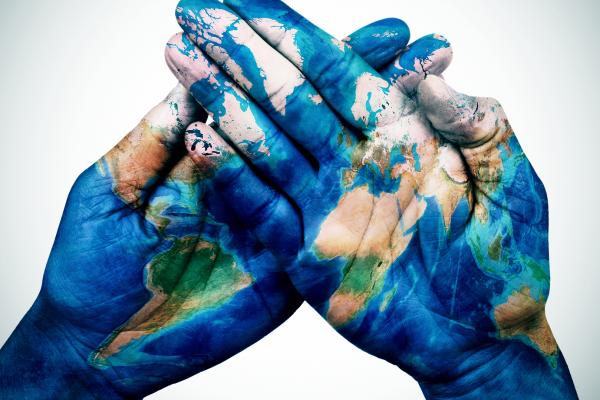
We are at a moment when prayer is often viewed as a cop-out for policy action. The distaste for prayer in our political arena was most visible in the New York Daily News cover story “God Isn’t Fixing This,” following the San Bernardino, Calif., shooting in December. The cover story called the politicians’ prayer tweets “meaningless platitudes” in the face of their inaction.
In light of this frustration with the political posturing of prayer, how might we see the World Day of Prayer for the Care of Creation as a meaningful action toward climate justice?

August 2016 was Chicago’s deadliest month since August 1996, reports the Chicago Sun-Times. In Aug. 2016 384 shootings occurred in the city, resulting in 472 shooting victims and 90 fatalities.
According to the Chicago Tribune, the city's police superintendent Eddie Johnson believes the mass distribution of guns in the city shoulders some of the blame for the new startling statistics.

Most importantly, I got to put my boys to bed most nights of their lives. Almost every night, we would say a prayer and goodnight with quick conversations about the day, the next day, or baseball. That’s why it was hard to turn off the bedside light when we came home — without being able to say goodnight.
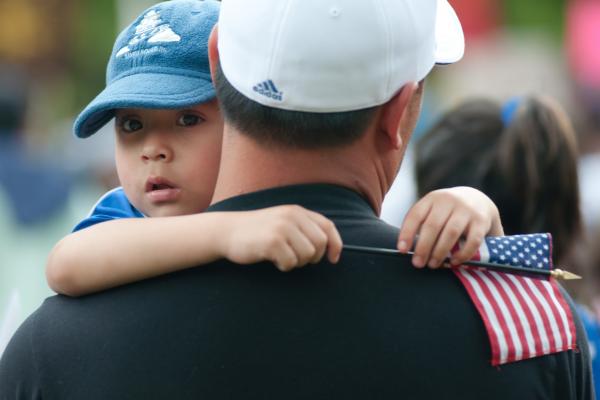
On Aug. 29, Secretary of Homeland Security Jeh Johnson announced that his department (which includes ICE) would also review the contracts of private companies contracted in its detention facilities. He cited the DOJ’s recent decision as a contributing factor to this investigation. We can only hope that their review will discover the inefficacies of private detention centers and prioritize the treatment of immigrants in their facilities.
Private prisons place profits over people, and I call on the DHS to end this inhumane practice, so that stories like my uncles do not repeat themselves.

In 1947 and 1948, respectively, Christian scholars C.S. Lewis and Reinhold Niebuhr appeared on the cover of Time magazine.
Since then, commentators have bemoaned the disappearance of the Christian intellectual.
Powerful social changes are behind the apparent decline: increasing pluralism, secularization, the decline of Protestant hegemony, and the supposed triumph of science over faith as the best way to understand the modern world.