
In 2012, Pastor Corey Brooks spent 94 days living on a motel roof. He only came down for two funerals, which happen often in his community. He was protesting the motel owners, who were involved in local sex trafficking and gang violence that had a stronghold on his South Side Chicago community. Brooks’ goal was to convince the owners to sell the property and end the illicit activities. Eventually they caved, and Brooks was able to buy the lot with help from actor and filmmaker Tyler Perry and Ozinga Concrete, one of the longest-serving family businesses in Chicagoland.

For over a decade, activists have pushed for the creation of a database in the Southern Baptist Convention that would list credibly accused predators. They argue that, using such a database, a church’s hiring committee could check candidates against the list, thus preventing some of the shuffling of predators that the SBC and other denominations have seen. The SBC has yet to adopt the idea, however, arguing they can’t exercise authority over local, autonomous churches and make them report abuse. Survivors and activists , however, say that shouldn’t stop the SBC from trying.

This Lent, I urge you to:
- Create a book club.
- Gather with a few friends over coffee and talk through ideas of decolonization.
- Challenge yourself at home and in the workplace to fight toxic stereotypes.
- Re-educate yourself about the history of the United States and the church’s role in empire.
- Grieve, and don’t be afraid of what the wilderness might show you.
Books are always a great place to begin the journey.
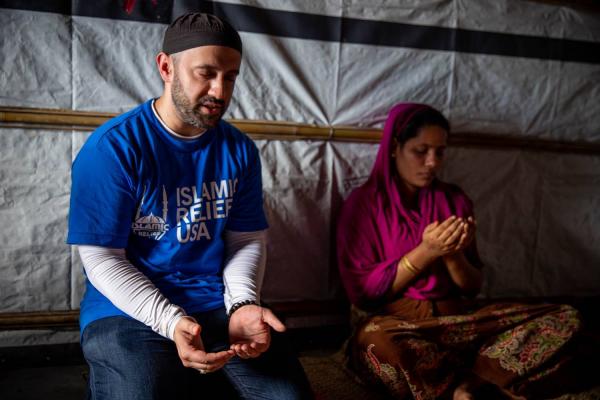
Imam Khalid Latif is one of the powerful voices featured in the series, The Secret Life of Muslims. Here, he shares his story.

Timing is important. Sometimes timing is everything. That may be true now with the likely release of Special Counsel Robert Mueller’s report on President Trump and his campaign’s possible coordination with Russia during the 2016 election season and potential obstruction of justice. It seems the report is likely to be delivered to Attorney General William Barr during the Christian liturgical season of Lent. This Lent a group of Christian elders have issued a pastoral letter calling for “prayer, fasting, and action,” all of which are appropriate for the Lenten season but are also particularly well timed this year to anchor us for a potential national and even constitutional crisis.
After three months, Mirzai traveled to the Oinofyta camp near Athens. Mirzai recounted his difficult journey from Greece to Italy, riding for 36 hours under a truck before reaching the border. He said he then spent 15 days in Italy before traveling to Paris with a smuggler.

Scripture reminds us that we’re formed from the dust of earth and thus bound intimately to all creation. Science describes how in our elemental form, we’re made of the same stuff as everything in the universe. Yes, we’re earth dust and star dust, too. Everything follows a path of endless transformation.
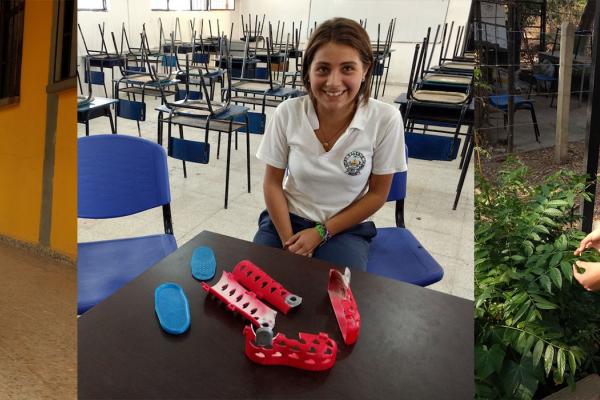
In an isolated part of Colombia better known for rice, pineapples, and paramilitaries, something else is taking root: the next generation of female scientists. In 2016, Colombia’s government signed a peace treaty with the FARC guerilla group to bring an end to the country’s 50-year civil conflict — but the scars and traumas of that era echo throughout the countryside. As Sojourners visited the tiny town of San José del Bubuy, in Casanare department (state), physicist turned school teacher Jhon Vega tells of some of the challenges in this new era.

I worshipped at Seoul’s Myungsung Presbyterian Church, the largest Presbyterian church in the world with a membership close to 100,000, and preached at its English-speaking service. At the main Korean worship service I attended (one of five services that they offer each Sunday), I heard prayers for the reunification of Korea at least three or four times, which is a repeated intercession. Moreover, Myungsung is known for its daily prayer services. One of these gatherings that takes place every Monday is focused on praying for re-unification. It has been doing so for 10 years, normally drawing about 3,000 people.
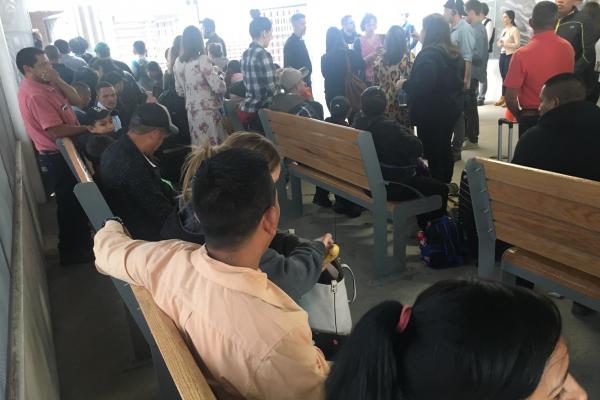
Luisa bought a ring for her daughter Katherine’s quince. She hopes to give it to her in a few months on her 15th birthday. But just in case she is not able to do so, she mailed it ahead of time to friends in the U.S. The two were separated on Christmas Day 2017 at the U.S.-Mexico border.