Share As A Gift
Share a paywall-free link to this article.
This feature is only available for subscribers.
Start your subscription for as low as $4.95. Already a subscriber?

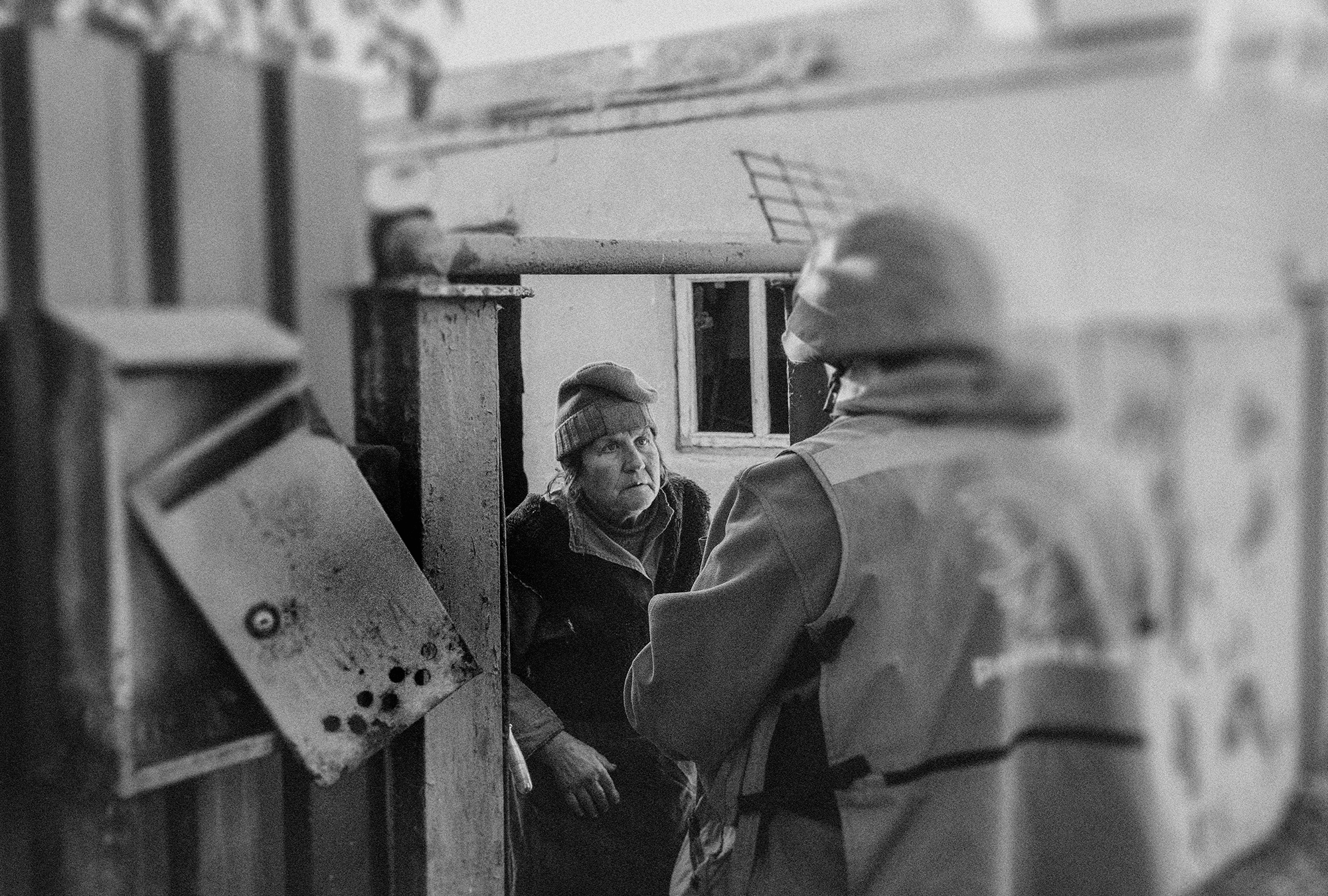
IN FEBRUARY 2022, Russia’s full-scale invasion of Ukraine triggered one of the largest humanitarian crises in the world. Within months, millions of Ukrainians needed assistance to survive a protracted conflict that continues today. In 2025 alone, Ukraine received $1.85 billion in humanitarian funding.
The United Nations mandates that humanitarian aid be distributed impartially, based solely on the severity of need. In practice, however, some needs are more supported than others. In global humanitarian funding databases, only 0.1% of project titles mention older people.
“Unfortunately, elderly people nowadays have truly become unwanted,” says Iryna Miroshnichenko, who runs Ocean of Goodness, Ukraine’s only displacement shelter exclusively for people with disabilities and limited mobility, in the city of Dnipro. She struggles to get her programs funded, noting, “everyone is focused on issues like gender-based violence or children. That’s what they consider urgent. That’s what gets attention.”

Did this article have an impact on you? Tell us how! Whether you’re moved to take action, have a question, or want to share a comment (good or bad), we value your feedback!